Kareena Kapoor Khan and Prithviraj Sukumaran play cops on opposite sides of a justice system that can't agree on what justice even means, and the film leans harder one way than you'd expect.
Daayra doesn't ask who committed the crime. It asks what the system does once everyone already knows the answer, and whether that response is worse than the crime itself.
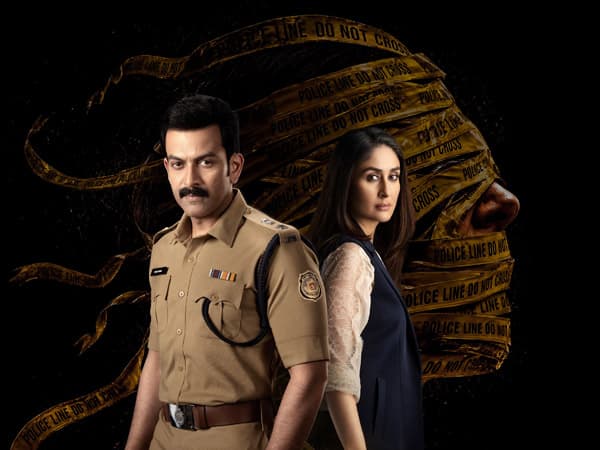
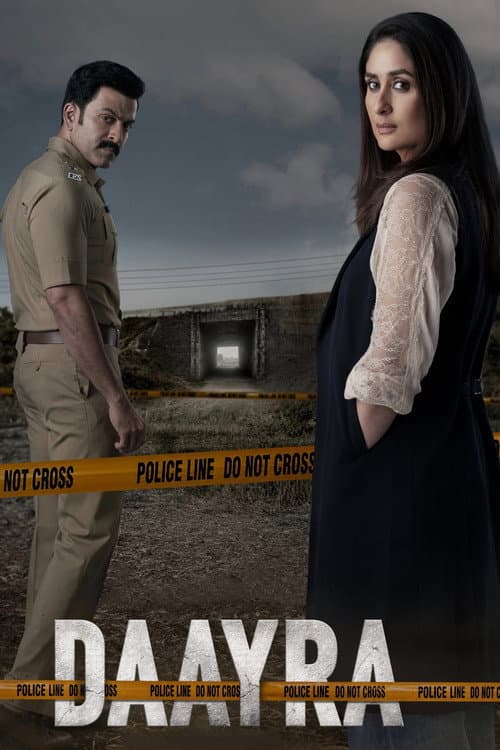
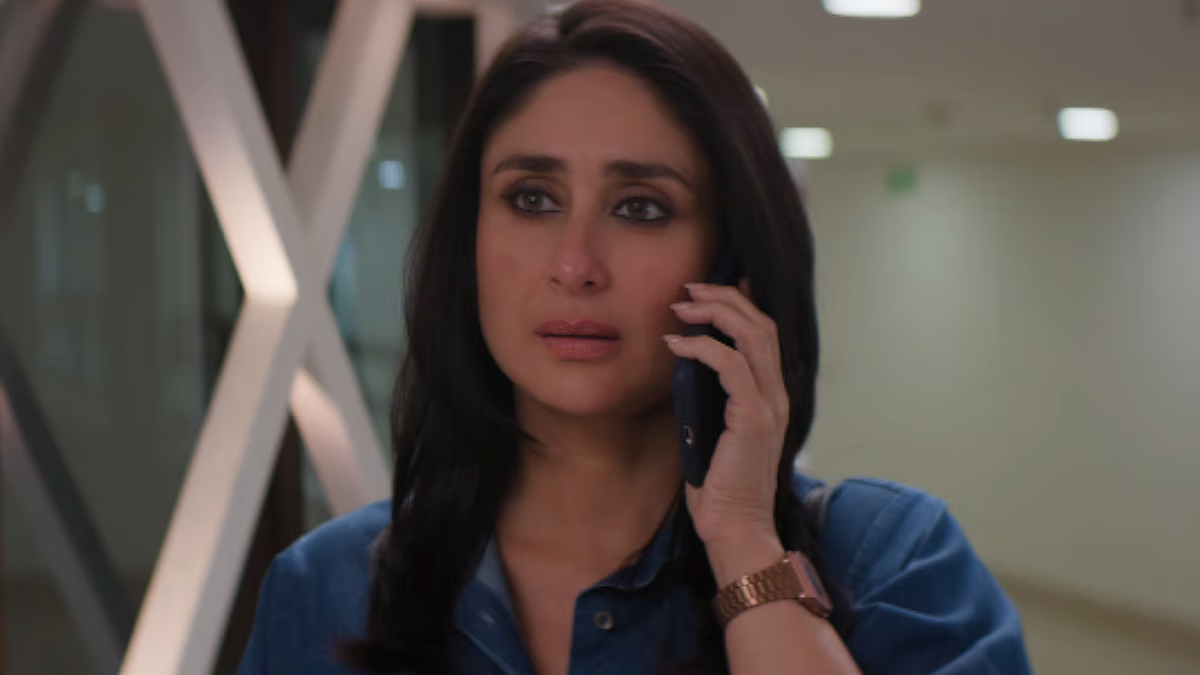
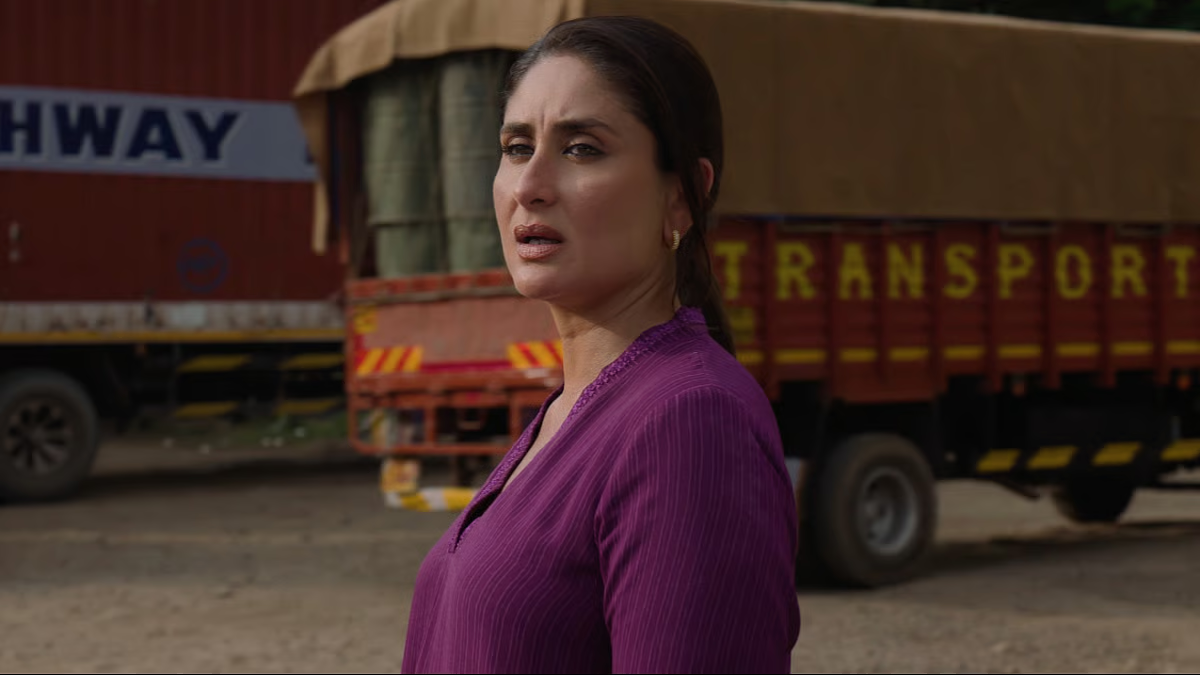
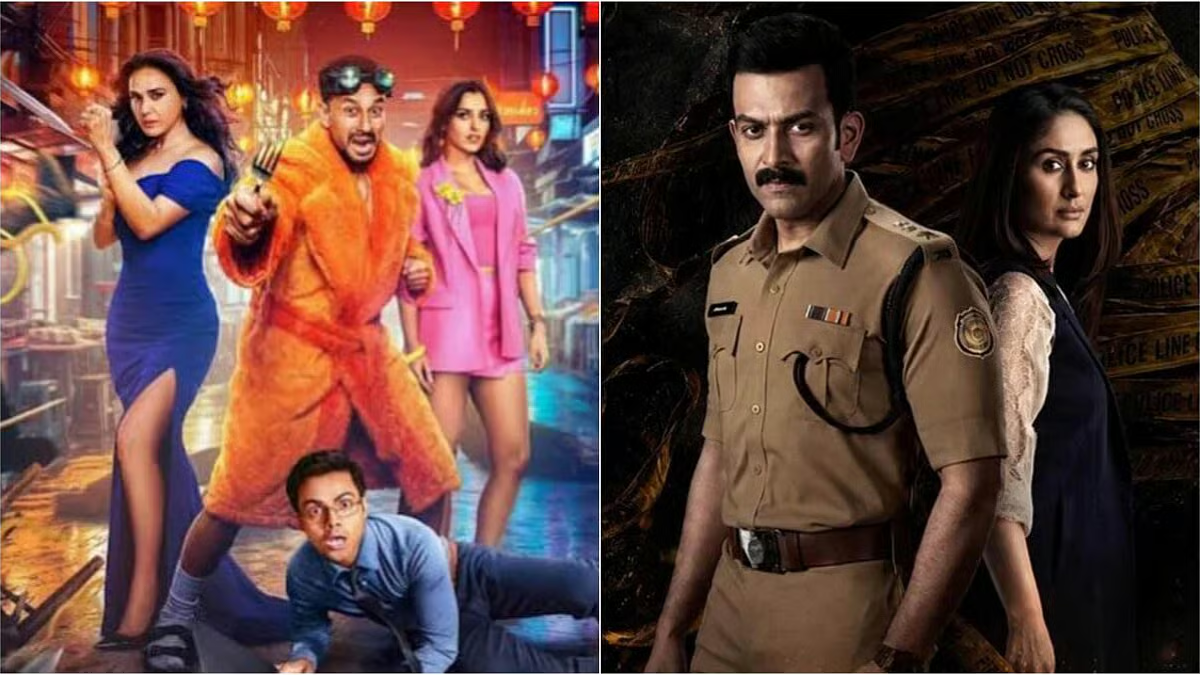
Meghna Gulzar's new film has landed in theatres with a review from Filmfare that calls it gritty, grounded and often disturbing, built around two Delhi cops who share an institution but not an idea of justice. Kareena Kapoor Khan plays DCP Ajooni Kohli, head of an internal affairs unit who insists the law has to run its course no matter how slow or unsatisfying that feels. Prithviraj Sukumaran plays DCP Raman Kumar, a man with a temper and a loyal crew of officers who believe encounter killings are sometimes the only justice that actually lands.
The parallels to the 2019 Telangana case, where a gang rape and murder was followed by a police encounter that split public opinion, are hard to miss. A brutal sexual assault, a wave of public fury, a police response that becomes its own controversy. Gulzar has said Daayra isn't a recreation of that one case, that it pulls from several real incidents rather than one. Fair enough, but the shadow is there whether the film names it or not.
What's notable, per the review, is that Daayra doesn't stay neutral. It seems to lean toward Raman's side of the argument, understanding his rage even as it questions what happens when one man decides the courts have failed. That's a braver choice than a straight good-cop-bad-cop setup, and it's also where the film gets its most interesting scenes.
It's also, apparently, where the film puts its weight. Prithviraj gets the meatier, longer arc, and by most accounts carries the film on contained fury rather than speeches. Kareena's Ajooni is played with restraint, all procedure and control, but the film reportedly doesn't hand her enough screen time to build her counter-argument with the same force. First-time co-stars, unevenly balanced roles. That's the review's chief complaint.
The supporting cast fills out the world. Kshitee Jog as the victim's mother, Jitendra Joshi as Raman's second-in-command, Biswapati Sarkar as a commissioner protecting his juniors, Kanwaljit Singh as Ajooni's judge father caught in his own courtroom battle. The chawls, police stations and uniforms reportedly look lived-in rather than dressed for the camera, and the action stays messy on purpose, cops getting winded and hurt instead of walking through gunfire.
For Gulzar, it's another turn on ground she's mapped before. Talvar chased the truth of a crime. Raazi sat with duty and sacrifice. Chhapaak looked at violence's aftermath. Daayra keeps her investigative instincts but moves the question forward, from what happened to what a system does next when the answer isn't clean.
Whether audiences accept a film that won't hand them a villain is the thing to watch now that Daayra is actually playing in cinemas.


Be the first to comment
Join the argument. No password, just your email or a passkey.