Skydance’s new film leadership pledges independence for Paramount and Warner Bros. brands post-merger — but layoffs loom, and the real test begins now.
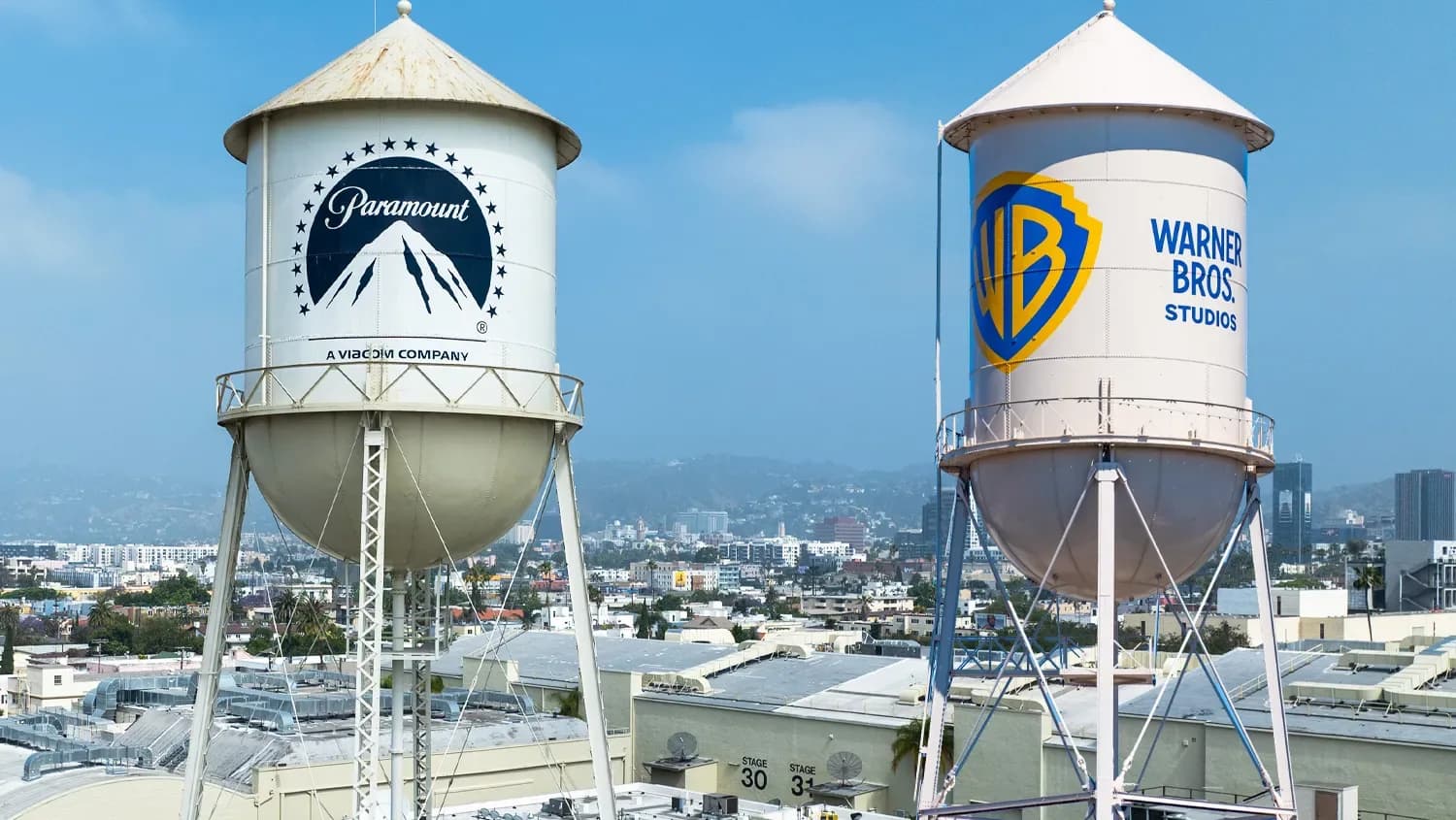
The merger is official. The logos remain. But the quiet before the storm is already thick in Hollywood. One day after Paramount completed its acquisition of Warner Bros.
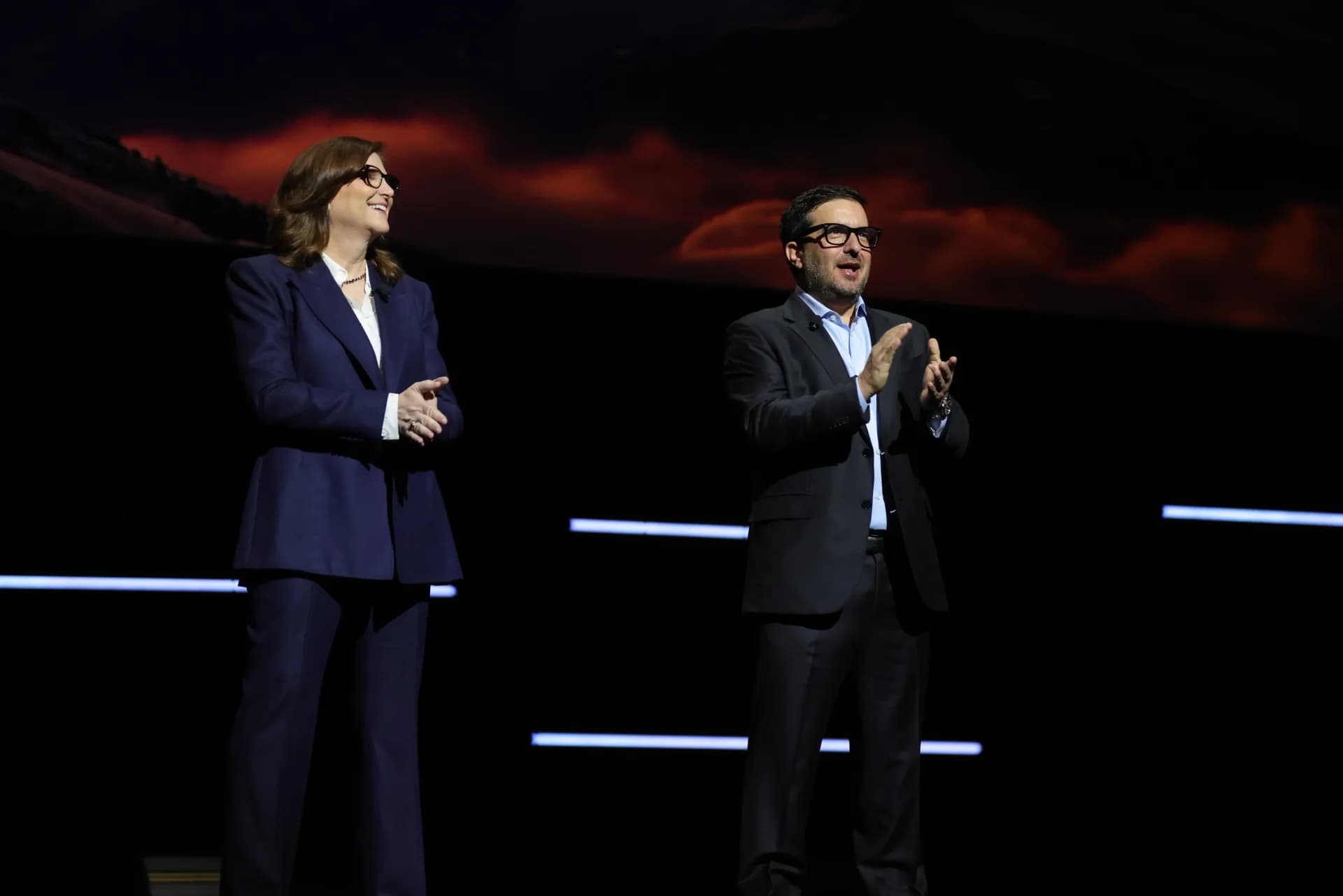
Discovery, Skydance’s newly appointed Motion Picture Group co-chairs, Dana Goldberg and Josh Greenstein, sent a memo to staff across both studios that read less like a corporate directive and more like a pledge: We see you. We’re not erasing you.
Goldberg and Greenstein, who previously co-led Paramount Pictures, made it clear that both Paramount Pictures and Warner Bros.
Pictures will continue to build and release their film slates independently under their respective brands. “Each Warner Bros. Pictures or Paramount Pictures film you see will carry its respective logo,” they wrote — a direct response to fears that the merger would mean a forced unification of identities. They emphasized that these two labels are “the cornerstone labels” and will remain the homes for both major commercial projects and filmmaker-driven work.
DC Studios, New Line Cinema, and Paramount Primal will operate as distinct entities with specific mandates. Even niche labels like Republic Pictures and Warner Bros. Clockwork will maintain independence. The message was steeped in reverence for legacy.
“It’s an immense privilege to make movies, and an even greater honor to do so as the stewards of two of the most storied studios in Hollywood history,” they wrote. They invoked the communal magic of cinema, the shared silence in a theatre, the collective breath when a story unfolds.
“Going to the movies is a communal tradition,” they said. “That tradition is thriving.”
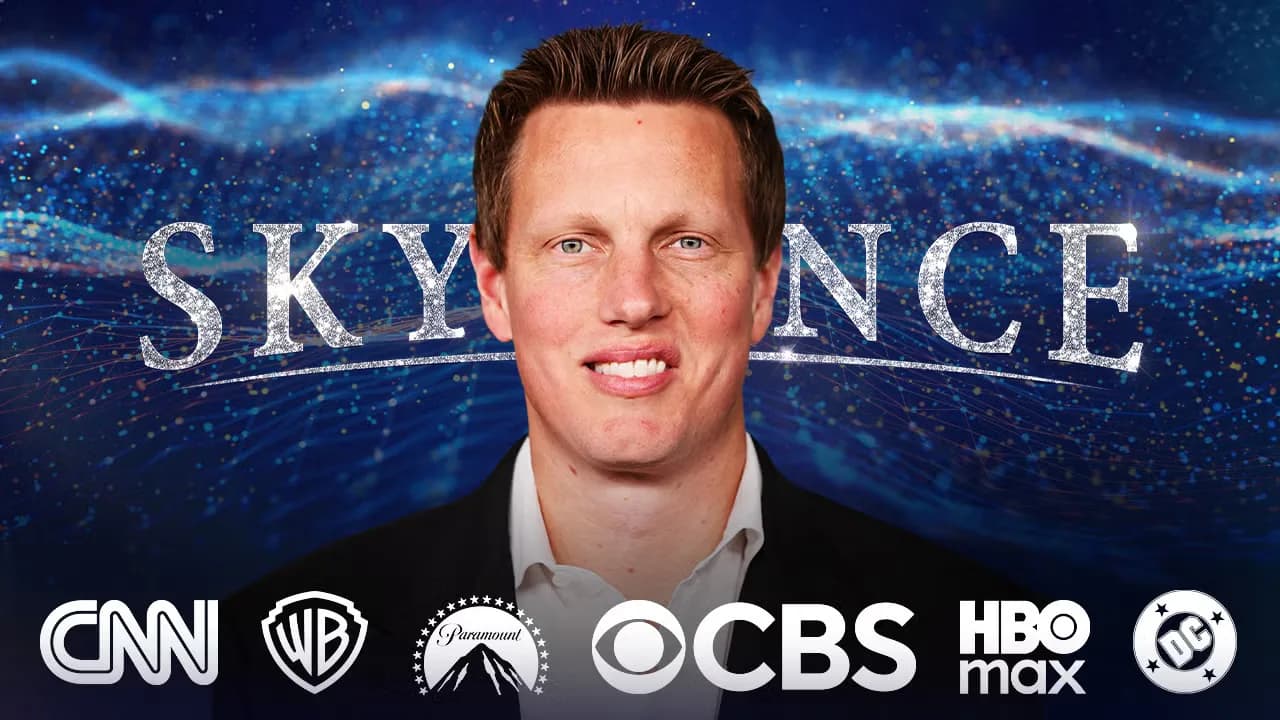
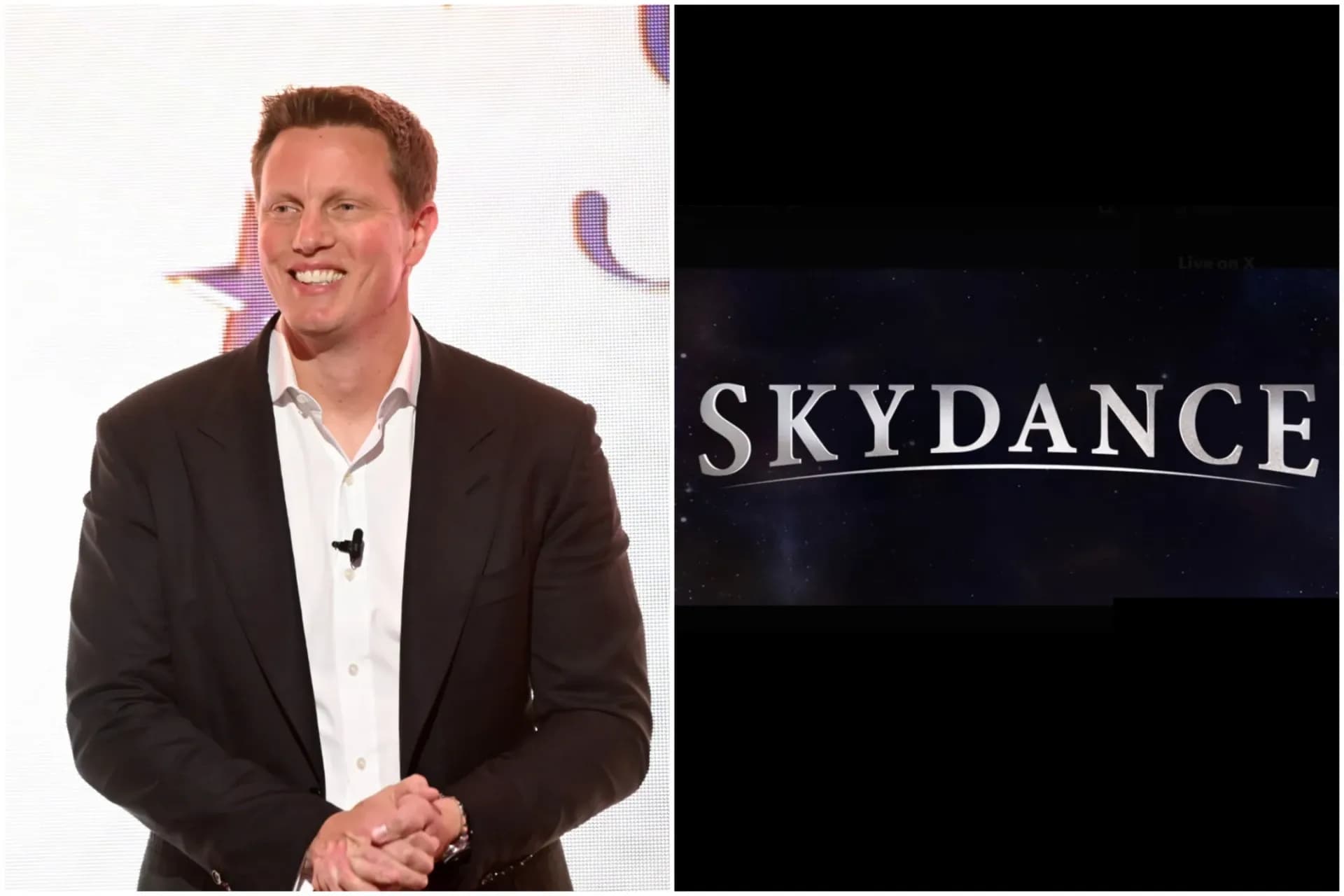
But the optimism in their words sits beside a harder truth. In a separate memo issued the same day, Skydance chairman and CEO David Ellison, along with co-CEO Ynon Kreiz, acknowledged that integrating two such massive entities will require change.
Including layoffs. “We are committed to handling this process thoughtfully and respectfully,” they wrote, but didn’t shy from the reality: restructuring is coming. The new leadership team has already begun assessing the Warner Bros. Side, according to Deadline sources.
Goldberg and Greenstein, who spent recent months stabilizing Paramount’s film division, now face the task of aligning two vastly different operations without collapsing either. Their challenge isn’t just logistical, it’s cultural. Can two studios with distinct histories, creative rhythms, and internal cultures thrive under one roof while still operating separately?
For now, the answer is yes. On paper. But the real test begins not in the memo, but in the next few months. How many jobs will be cut?
How much will the two divisions truly remain autonomous? And how long can the promise of independence hold when the pressure to consolidate grows? One thing’s certain: the future of Hollywood’s biggest studio merger won’t be decided by headlines. It’ll be written in the quiet moments between meetings, in the choices about which films get greenlit, and in the people who walk out the door.
Be the first to comment
Join the argument. No password, just your email or a passkey.