The three-day summit at Yashobhoomi brings together over 600 exhibitors and 150 speakers to track India's push into chip manufacturing and design.
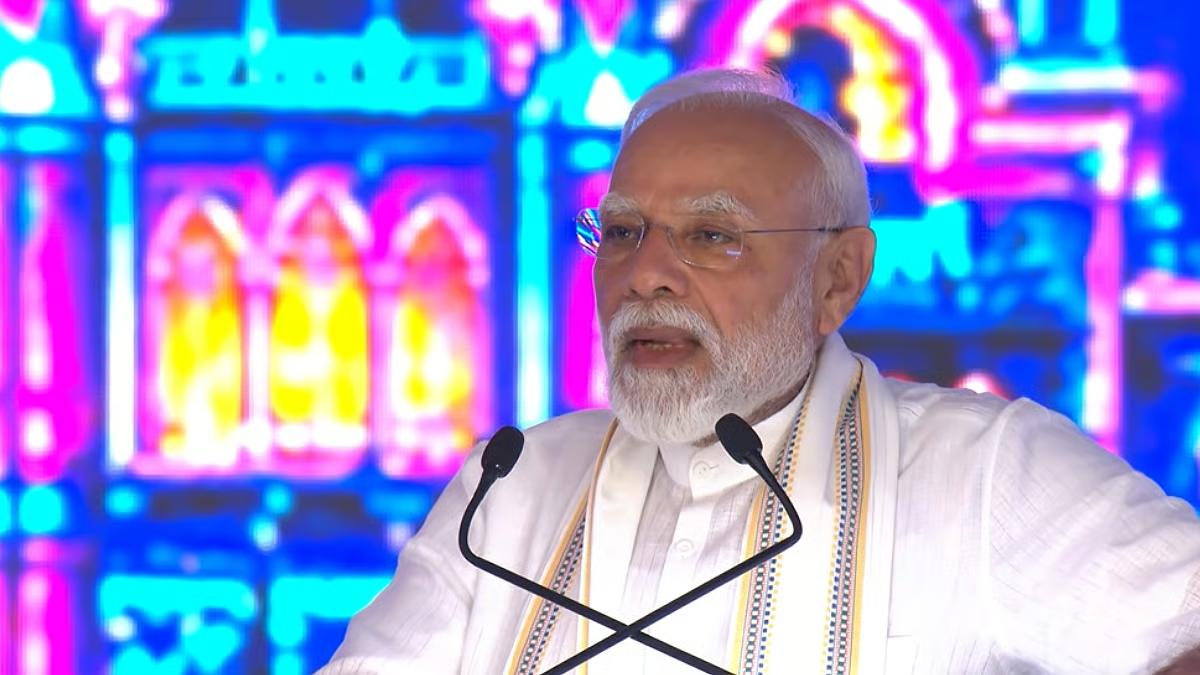
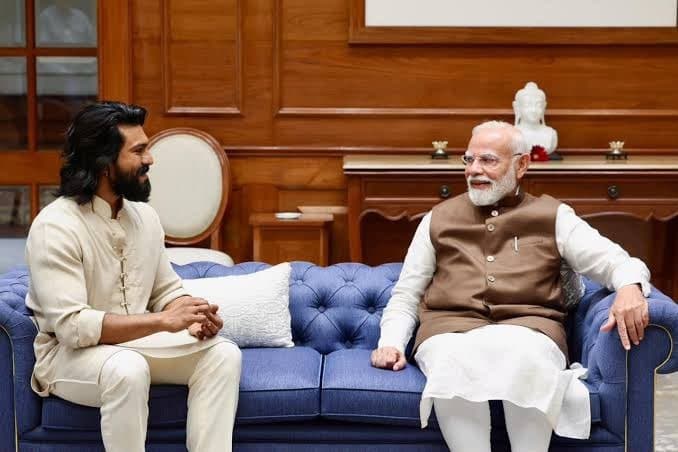
Prime Minister Narendra Modi will inaugurate SEMICON India 2026 on September 17 at Yashobhoomi in New Delhi. This is the fifth edition of the event, and it runs for three days, wrapping up on September 19.
The organisers are the India Semiconductor Mission, the Ministry of Electronics and Information Technology, and SEMI, the global body that represents chip and electronics manufacturers worldwide. The theme this year is "Silicon to Systems: Building the Ecosystem," which sums up where India's semiconductor ambitions currently stand. Policy support has been building for a while now. So has execution on the ground. And global supply chains are still looking to diversify away from concentration in a handful of countries, which is exactly the opening India's been trying to walk through.
The scale is hard to ignore. More than 600 exhibitors will show up, roughly 300 of them international. That's spread across 15,000 square metres of exhibition space at Yashobhoomi. Over 150 speakers are on the roster for panels and keynotes across the three days.
Six country pavilions and 12 state government pavilions will sit inside the exhibition halls. There's a Startup Pavilion too, expected to host around 40 early-stage companies, and a separate Workforce Development Pavilion built around training, skills and career paths in microelectronics.
One of the bigger draws will be something called the ‘Sand to Silicon to Systems' Value Chain Experience. It's meant to walk visitors through the entire chain, from raw materials and manufacturing to advanced packaging, chip design and finished electronics. Basically, the whole journey a chip takes before it ends up in your phone or your car.
There's also a startup pitch competition running alongside a student hackathon and an innovation showcase, giving younger companies and researchers a stage to pitch ideas directly to industry and investors.
On the conference side, expect keynotes and panels on semiconductor manufacturing, artificial intelligence, supply-chain resilience, advanced packaging, materials, chip design, R&D and talent development. Six international country roundtables are scheduled too, plus dedicated sessions on women in leadership roles within the sector and on building cooperation between industry associations working on India's electronics design and manufacturing ecosystem.
For an industry that barely had a domestic manufacturing footprint a few years back, an event of this size, with this many international exhibitors, is itself a marker of how fast the conversation has moved. Whether the deals and partnerships announced over the three days translate into actual fabs and packaging units on Indian soil is the next thing to watch, starting September 17.

Be the first to comment
Join the argument. No password, just your email or a passkey.