The actor passed away Thursday after a sudden cardiac arrest, closing out a career that turned raw, local rage into the defining voice of a generation of Indian screen heroes.
Nana Patekar died on Thursday at 75, following a sudden cardiac arrest, according to The Hindu. He leaves behind a filmography that, for four decades, refused to sit still inside any one genre or politics.
Before Patekar showed up on screen in the late 1980s, anger in Hindi cinema had a shape. It was stylised, almost choreographed, built around the Angry Young Man template. Patekar broke that template. His rage was staccato, colloquial, the kind a man on a Mumbai local could recognise in himself. It is why Ankush (1986) landed the way it did, and why Anna Seth in Parinda (1989), a role that came his way only after it slipped from someone else's hands, turned him into a national name and won him his first National Award.
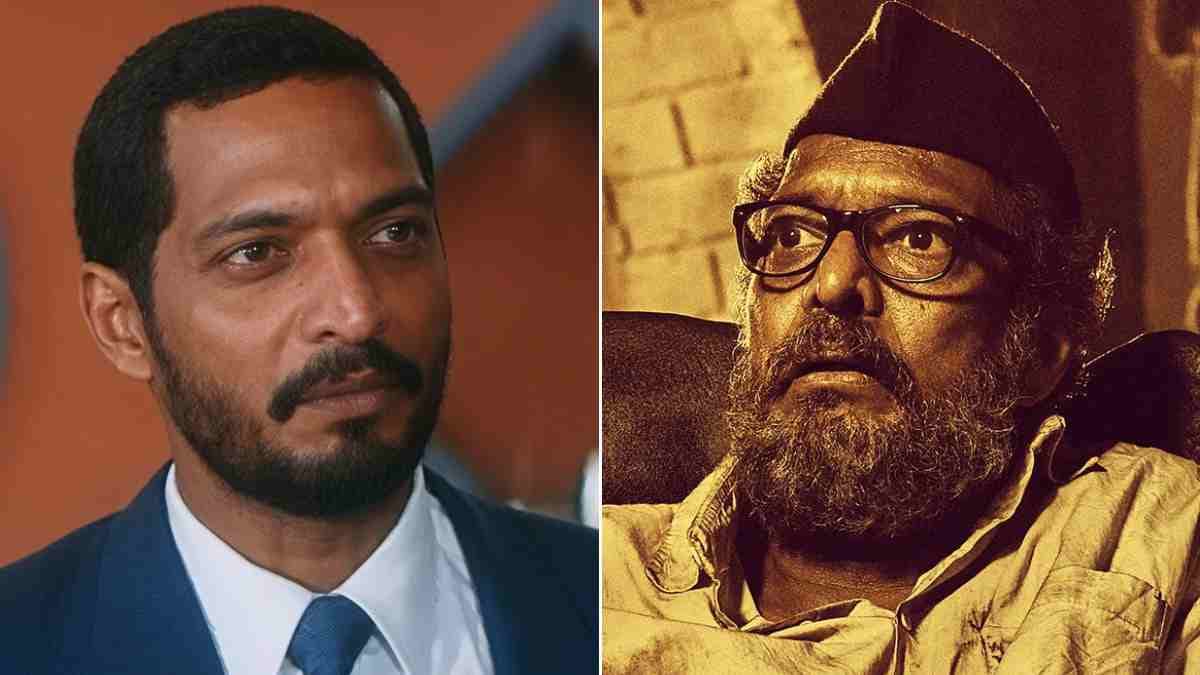
He collected two more National Awards and four Filmfares across a career that moved between parallel cinema and the mainstream without apology. Krantiveer (1994) gave him his most quoted scene, the one where he strips bigotry down to shared blood. Prahaar (1991), which he also directed, pushed him toward something more philosophical: nationalism defined not by borders but by what he once called the moral discipline of a civilian society. Natsamrat (2016) gave him his late-career monologue, the one actors still quote, about a man who has nowhere left to go home to.
What made him harder to pin down was how often he undercut his own image. At the peak of his angry-man years, he played a deaf father using nothing but sign language and silence in Sanjay Leela Bhansali's Khamoshi: The Musical. Before that, in Thoda Sa Roomani Ho Jayen, he was a gentle, whimsical Rainmaker, as far from Anna Seth as an actor could get. He wanted both the hero's shades and the villain's light, and he said as much, once telling this paper that a villain also has a bright side and a hero also has grey ones.
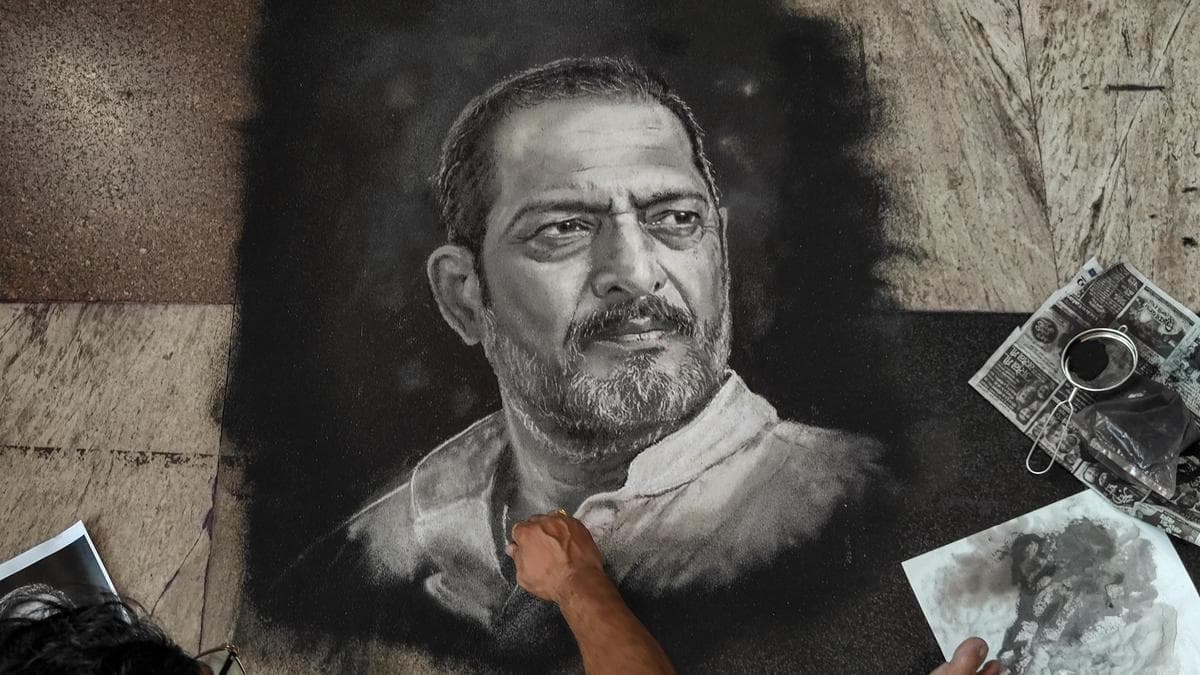
His beginnings were nowhere near Mumbai's film circuit. Born on January 1, 1951, in a village in Raigad district, Patekar grew up painting posters and billboards to help a family running a small textile business after his father died early. Theatre found him first, at J.J. School of Arts and in inter-collegiate circuits, where Vijaya Mehta cast him in Hamidabai Chi Kothi and Purush. It was Smita Patil, after watching him in a small role in Jabbar Patel's Simhasan, who pushed him toward Hindi cinema with Muzaffar Ali's Gaman in 1978.
His last collaboration with Prakash Jha, Sankalp, cast him as a character compared to Chanakya and Jayaprakash Narayan, the kind of role only an actor with his history could make believable. He is survived by his wife, Neelakanti Patekar, herself an actress, whom he met during his theatre years.
No funeral or memorial details have been made public yet.
Be the first to comment
Join the argument. No password, just your email or a passkey.