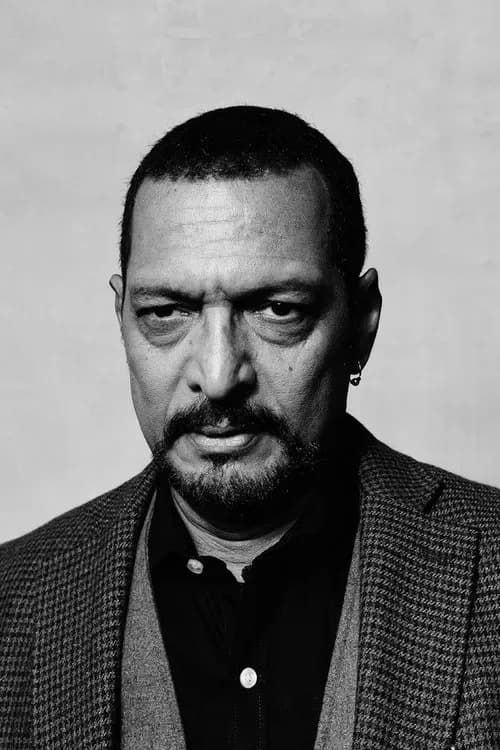
Nana Patekar, 75, has passed away. The news, confirmed by multiple outlets including Koimoi, has triggered an outpouring of grief across the industry. Tributes have poured in from stars like Akshay Kumar, Smriti Irani, and Boman Irani, with many calling him a force of nature — both on screen and off. His legacy isn’t just in films like Parinda, Krantiveer, or Natsamrat, but in the choices he made when no one was watching. He once saved ₹1.5 crore for a car. Then, after seeing a farmer’s suicide on TV, he gave it all to families in drought-hit Vidarbha. That moment birthed the NAAM Foundation in 2015, a move that redefined his life’s work. He didn’t just act roles. He lived them. In 1999, during Kargil, he paused his career at its peak to serve in the Territorial Army. He trained with the Maratha Light Infantry, lost 20 kg over 60 days, and returned from Dras and Leh not as a star, but as a soldier. His brother died in the 1993 Bombay blasts. He never forgave Sanjay Dutt for being linked to the case. For 22 years, he refused to work with him. Not because of religion. Not because of politics. Because of justice. He said it plainly: “I’m doing it for everybody who got killed that day.” And then there was the funeral wood. He kept 12 manns of dry wood ready. “Don’t use wet wood,” he joked. “Or they’ll think I’m crying.” Dark humor. Practical. Unapologetic. Even about death. He was also the original choice for Khalnayak. Subhash Ghai had him in mind before casting Sanjay Dutt. But the script evolved. Ballu needed a different energy. Patekar’s intensity would’ve shaped a different kind of antihero. One less flamboyant, more haunted. A what-if that lingers. His final role? Probably already written. In heaven, they say, he’ll be the best Nat Samrat. No doubt.
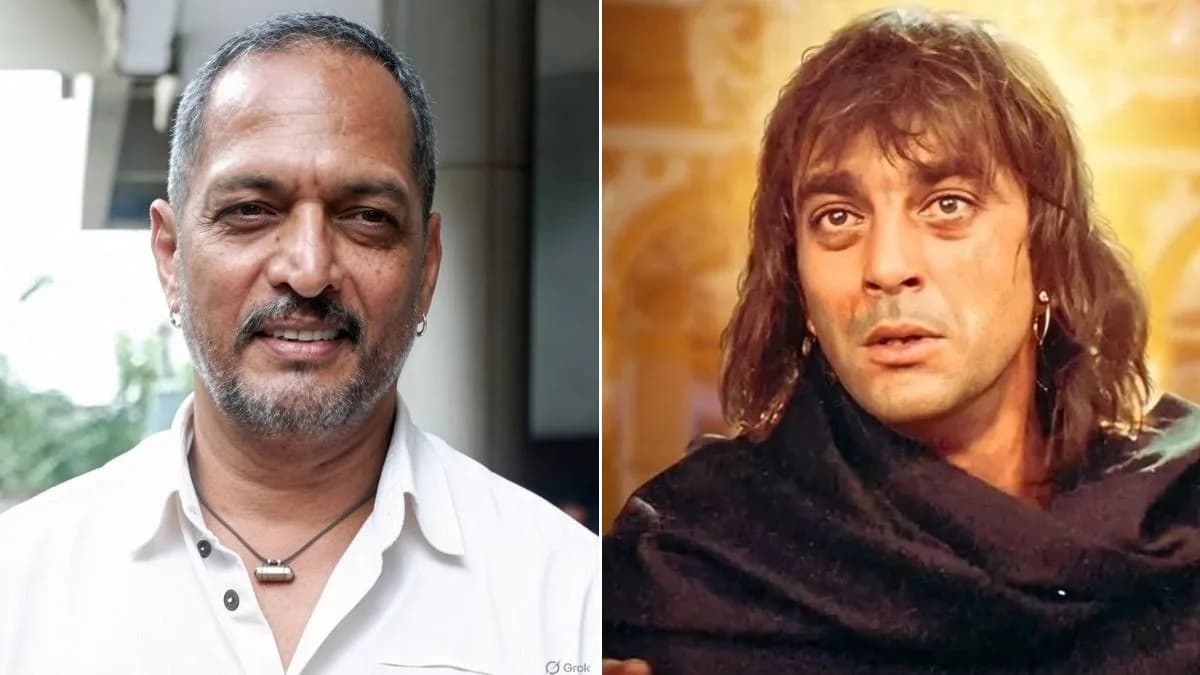 Photo via Koimoi
Nana Patekar’s Final Act Wasn’t On Screen
The story belongs under 'box-office' only if the focus is on how his passing affects film releases, box office trends, or audience sentiment around his films. Since the core of this piece is about Nana Patekar’s life, legacy, and personal convictions—not financial performance or release schedules—the correct category,
In this story
Live site hype
around 2 reading right now · 218 today
Reported from
This article was written by the CutMirchi desk from the reporting above. Facts are attributed to their original publishers.
Read next
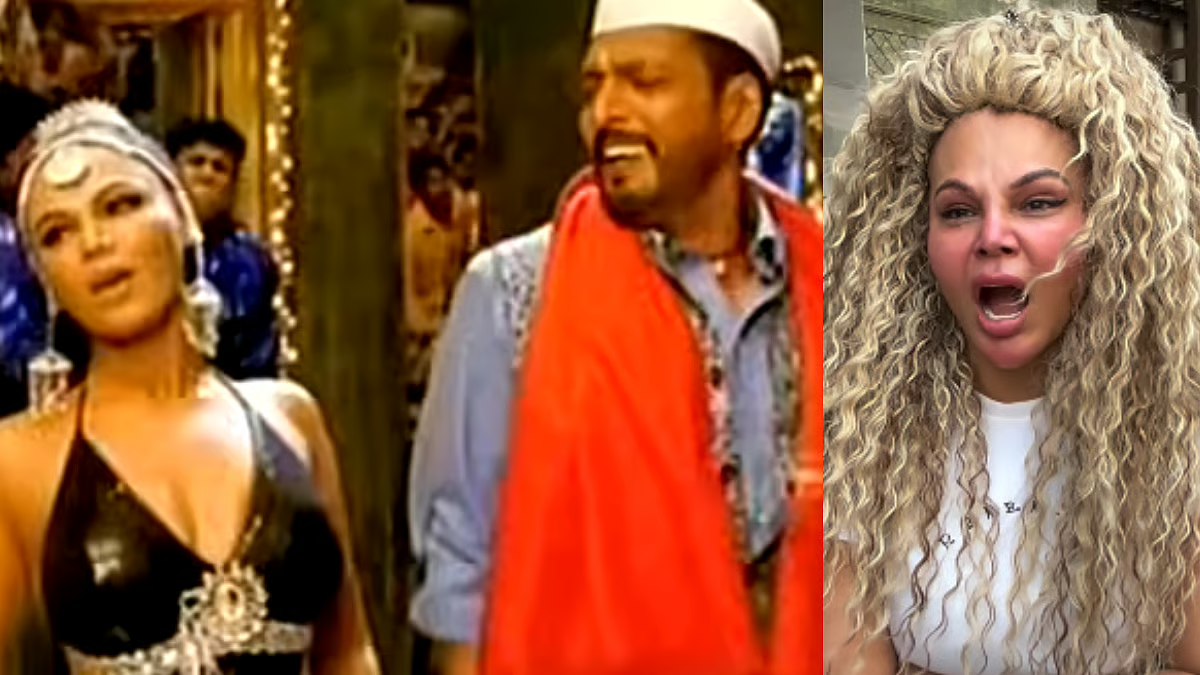
Nana Patekar Dies at 75; Rakhi Sawant Recalls His Final Call During Fever-Shot
Rakhi Sawant broke down while recalling Nana Patekar's last call during a fever-shot — 'Arre uth tu sherni hai' — and called him 'nek insaan'.
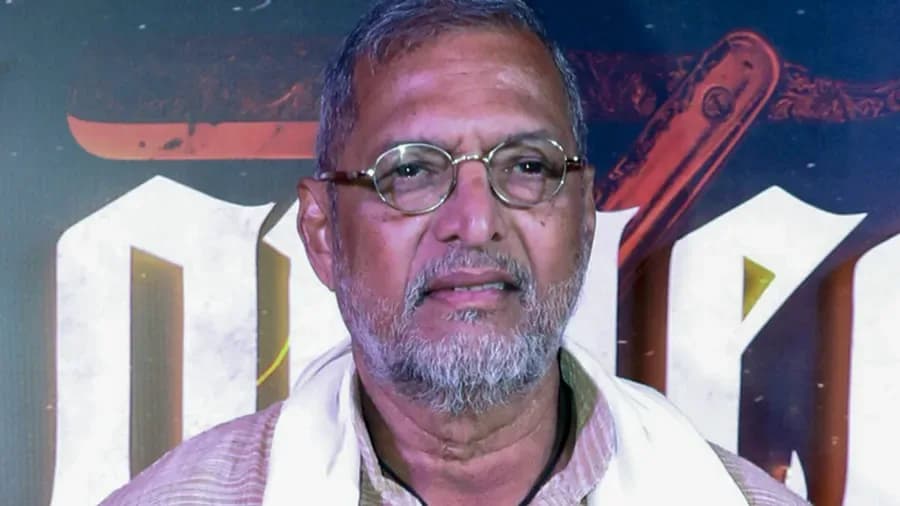
The Last Laugh: Nana Patekar Dies Without Ever Acting in a Malayalam Film
He said it with a laugh. Now, silence follows.
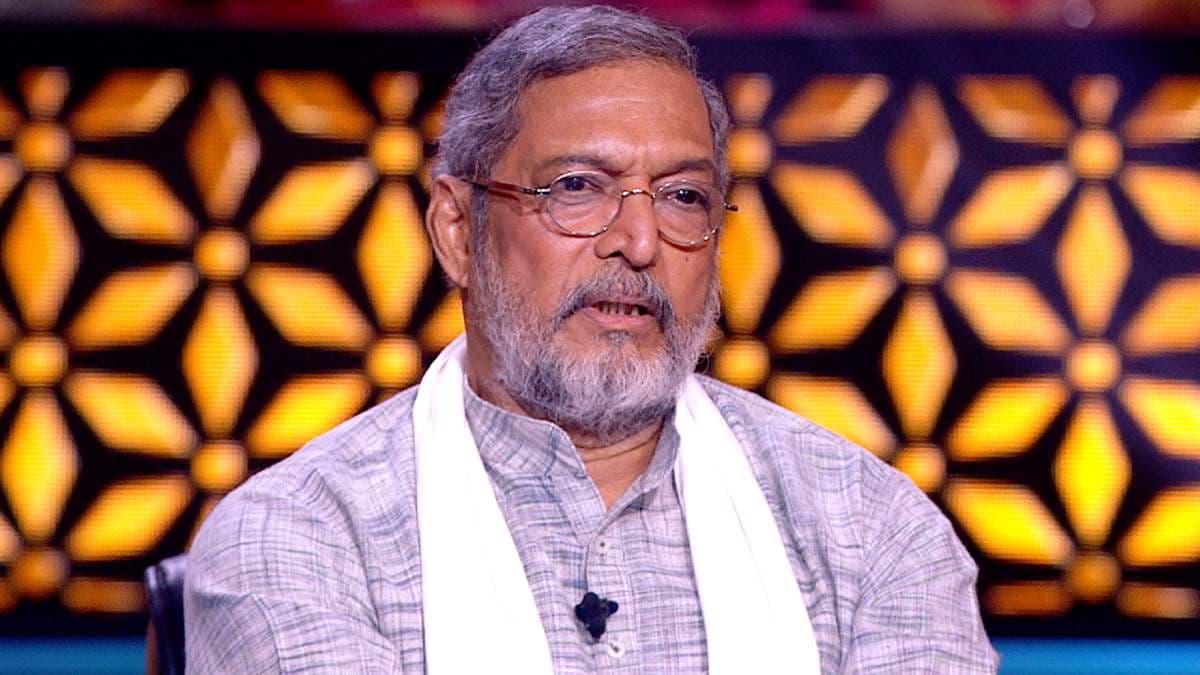
Nana Patekar Net Worth Spanned Rs 35 Wage To Rs 80 Crore
Nana Patekar passed away in Goa after a cardiac arrest. Reports peg his net worth between Rs 50-80 crore, built across five decades from theatre, films, farming and a reluctant late-career entry into brand endorsements.
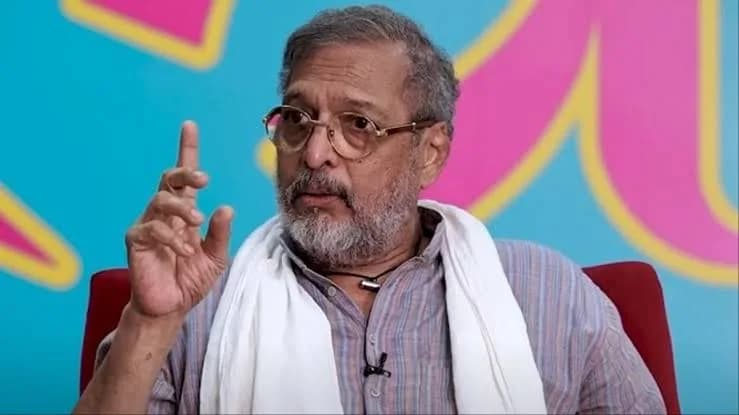
The Man Who Refused to Be Defined by Hunger
Veteran actor Nana Patekar passed away at 5:20 AM on Thursday, October 8, at his residence in Dona Paula, Goa, after suffering a severe cardiac arrest. Doctors attempted resuscitation for 45 minutes but could not revive him. A medico-legal case has been registered, and a post-mortem is underway. He was 75.
Be the first to comment
Join the argument. No password, just your email or a passkey.