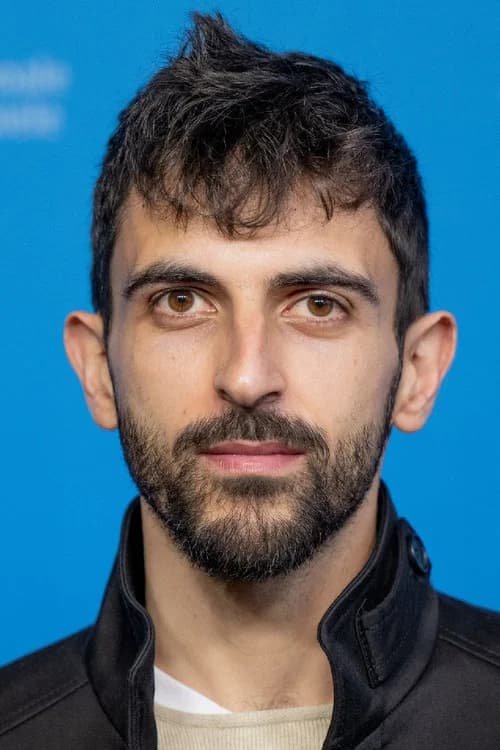

NAZA has crossed $500,000 at the North American box office — without a distributor. That’s not a typo. The documentary, which lays bare Israel’s use of AI and phone surveillance to target Palestinians in Gaza, was deemed too explosive for mainstream indie studios. So it went self-distributed. And now it’s making history. It opened at New York’s IFC Center last weekend, raking in over $125,000 in just eight days. Then came the expansion: 85 theaters across 30 cities. Three-day weekend earnings? $298,240. Four-day holiday haul? Close to $378,200. By Monday, the total stood at $504,074. A staggering figure for a film that no major studio wanted. The film is the follow-up to No Other Land, the Oscar-winning documentary by Rachel Szor and Yuval Abraham. This time, they’ve turned their lens on the machinery behind Israel’s military operations in Gaza. Anonymous IDF sources speak, on record, on camera. About how digital tracking and algorithmic targeting have led to mass civilian casualties. The film premiered at Venice, where it earned a 25-minute standing ovation and took home the Special Jury Prize. Critics are calling it an Oscar contender. But the reaction from Israeli officials has been anything but warm. IDF Chief of Staff Eyal Zamir vowed to “use every tool at our disposal” to stop its release. Prime Minister Benjamin Netanyahu hinted he’d strip interviewees of their citizenship. The culture minister branded the filmmakers “traitors,” suggesting their own citizenship could be revoked. Distribution is being handled by The Guardian and mk2, both entities with deep roots in independent cinema. Starting November, the film will be available free on The Guardian’s website. No paywall. No gatekeeping. Just raw footage, unfiltered testimony, and a reckoning. In a year where global cinema is still reeling from the fallout of geopolitical blockades and censorship, NAZA is a defiant act of access. Not just a movie. A statement. And if the numbers keep climbing, it might just be the most important documentary of 2026.
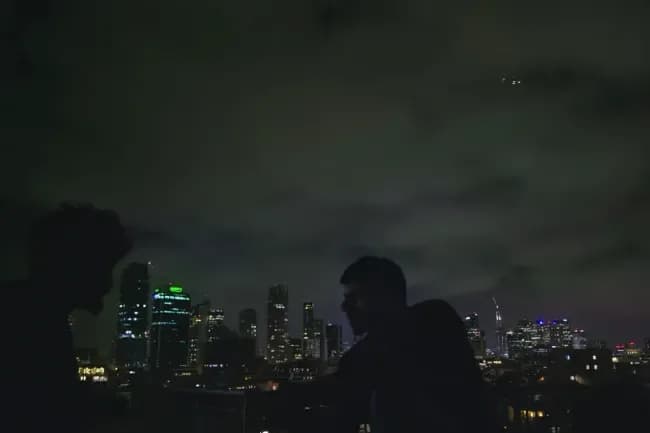 Photo via IndieWire
NAZA Documentary Crosses $500K Without Distributor, Faces Israeli Backlash
A documentary about Israel’s war machine in Gaza has crossed half a million dollars at the box office—without a distributor. And the backlash from Tel Aviv has only fueled its momentum.
In this story
Live site hype
around 2 reading right now · 421 today
Reported from
This article was written by the CutMirchi desk from the reporting above. Facts are attributed to their original publishers.
Read next
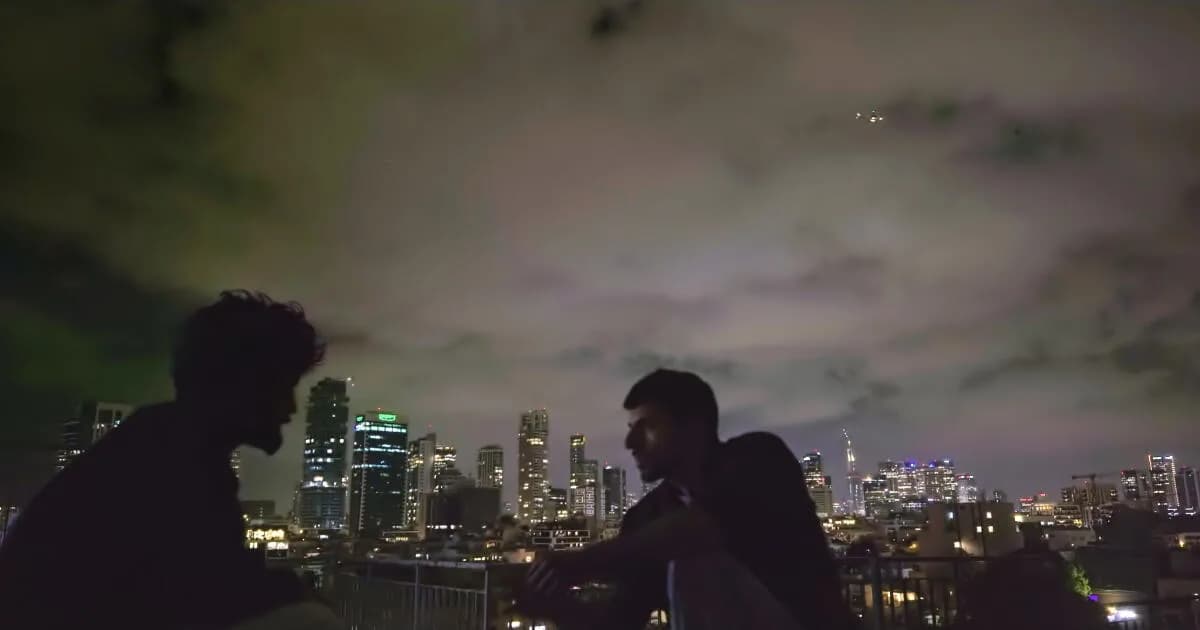
NAZA: Inside Israel’s AI War Machine, Filmed in Silence
One subject says: ‘You hack her phone and then kill her.’ Another admits, ‘Yes,’ when asked if what’s happening qualifies as genocide.
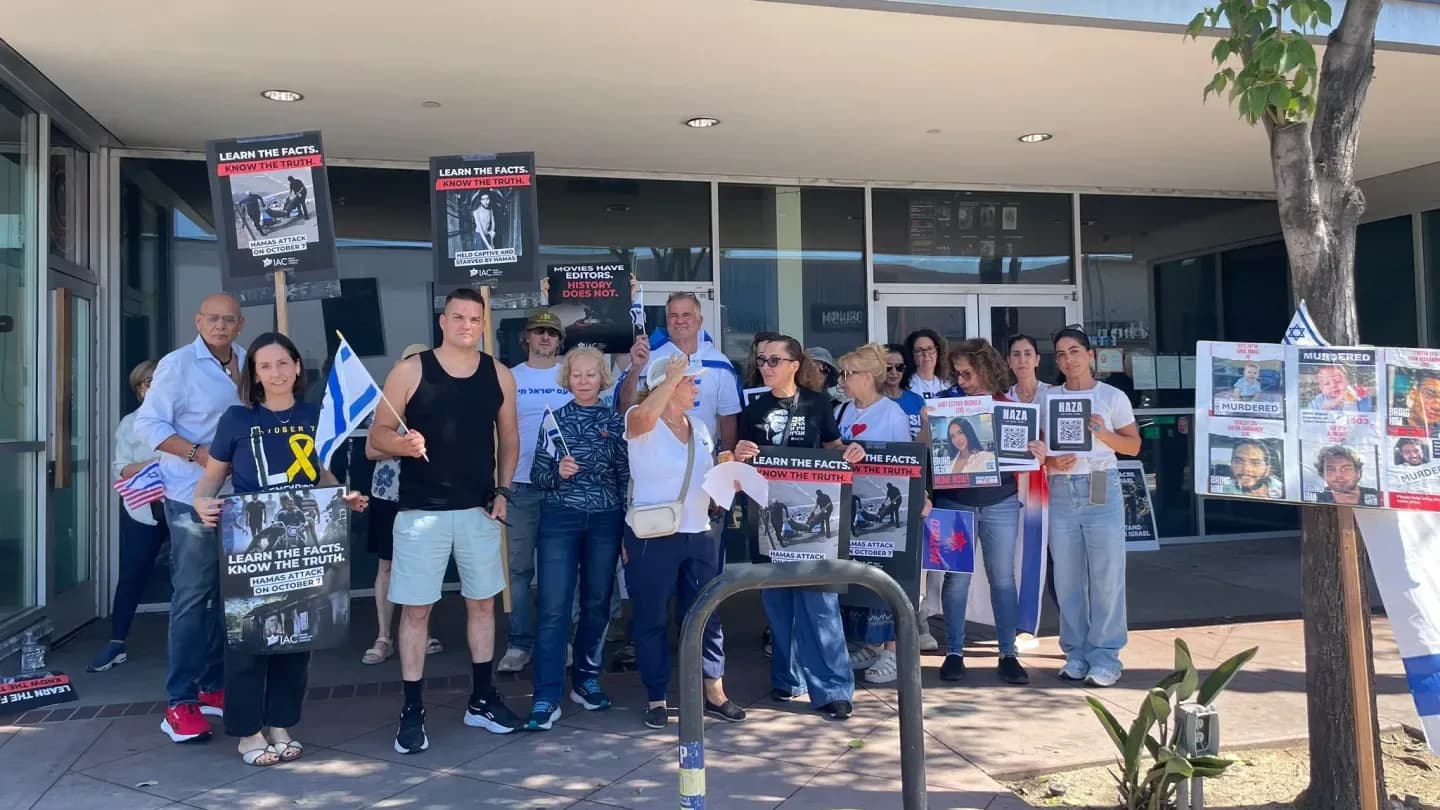
NAZA Screening Sparks Protests in LA: ‘Show the Other Side’
Protests erupted outside NAZA’s Los Angeles screening as Israeli-Americans and Jewish community members demanded inclusion of survivor testimonies and broader context around Oct. 7. The film, which won Venice’s Special Jury Prize, has drawn backlash for its focus on systemic accountability, with critics arguing it omits key facts.

Netanyahu Seeks To Strip Citizenship From NAZA's Directors
Benjamin Netanyahu says he will introduce legislation to revoke citizenship from those who criticise Israeli soldiers, directly following NAZA's Venice win and a wave of official condemnation of its filmmakers.

Israel's Culture Minister Vows To Strip NAZA Filmmakers' Citizenship
Israel's Culture Minister Miki Zohar says he will move to revoke the citizenship of NAZA directors Yuval Abraham and Rachel Szor after their Gaza documentary won a Special Jury Prize at Venice.
Be the first to comment
Join the argument. No password, just your email or a passkey.