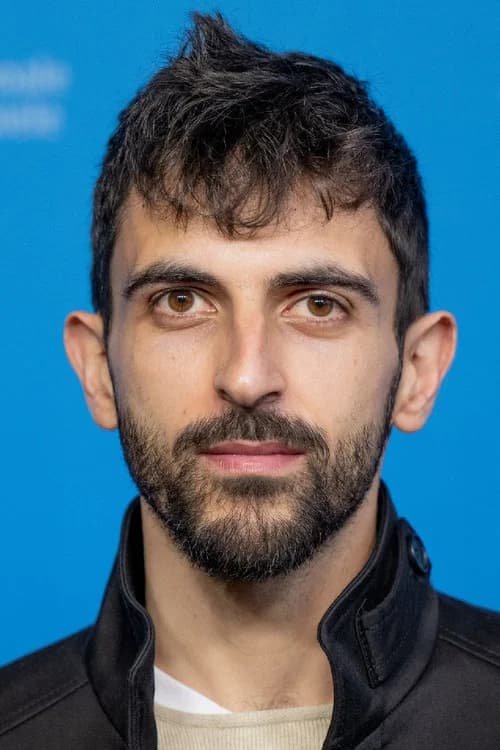
The documentary NAZA opens in limited release on Friday, October 9 — and it arrives not as a protest piece, but as forensic testimony. Directed by Israeli filmmakers Yuval Abraham and Rachel Szor, the film is built on interviews with 24 anonymous Israeli intelligence personnel and soldiers who participated in military operations in Gaza since the Hamas-led attack on October 7, 2023. Their identities are concealed through digital alterations to voice and face. Their silhouettes appear against nightscapes of Tel Aviv, where life carries on, people eating, exercising, watching television. While war unfolds just across the sea. The title, NAZA, refers to the Israel Defense Forces’ internal acronym for 'nezek agavi', the Hebrew term for collateral damage. It’s a word used casually, almost routinely, in conversations about a campaign that has killed over 73,000 Palestinians, according to the Gaza Health Ministry. One interviewee says flatly: ‘You hack her phone and then kill her.’ Another, when asked if what’s happening constitutes genocide, replies: ‘Yes.’ These aren’t emotional outbursts. They’re statements of operational fact. The film avoids probing for remorse or moral reckoning. Instead, it dissects the mechanics: how AI systems use surveillance data from nearly every mobile device in Gaza to identify targets, often with flawed accuracy. The process is described as routine, a technical role, not a moral one. Sketches of weapon-screen interfaces appear on notepads during interviews. A program called ‘Where’s Daddy?’ uses eavesdropping on children to track a father’s return home. The system isn’t just efficient. It’s designed to erase empathy. The LA Times notes the visual contrast between the calm city and the violence being orchestrated from afar. A deliberate juxtaposition that forces viewers to confront who gets to live in peace, and who doesn’t. The film was co-produced by the Guardian, which will stream it for free after its theatrical run. In Israel, the response has been fierce. Prime Minister Benjamin Netanyahu has threatened to revoke the filmmakers’ citizenship. They’ve been labeled traitors. But the film’s power lies not in its polemics, but in its quiet precision. It doesn’t dramatize. It documents. And in doing so, it reveals a war being waged not just with bombs, but with algorithms, and the detachment they enable. The world may be tired of conflict, but this film insists on attention. Not for spectacle. For understanding.
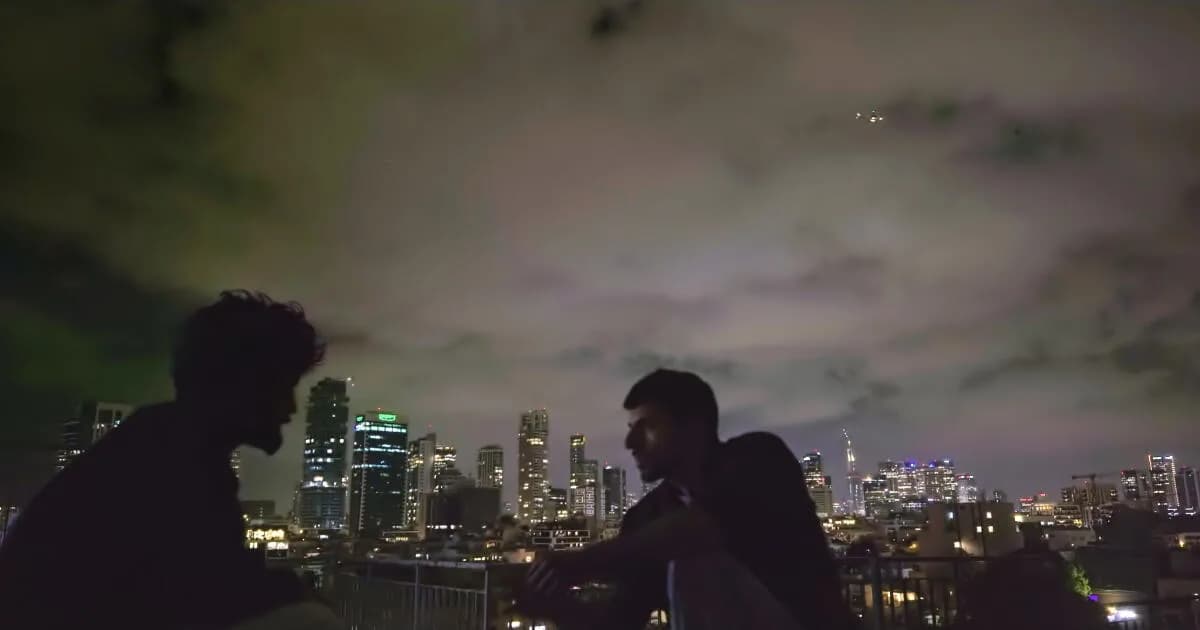 Photo via LA Times - Entertainment
NAZA: Inside Israel’s AI War Machine, Filmed in Silence
A new documentary exposes Israel’s AI-assisted warfare in Gaza — and the silence of those who operate it.
In this story
Live site hype
around 2 reading right now · 452 today
Reported from
This article was written by the CutMirchi desk from the reporting above. Facts are attributed to their original publishers.
Read next

Netanyahu Seeks To Strip Citizenship From NAZA's Directors
Benjamin Netanyahu says he will introduce legislation to revoke citizenship from those who criticise Israeli soldiers, directly following NAZA's Venice win and a wave of official condemnation of its filmmakers.
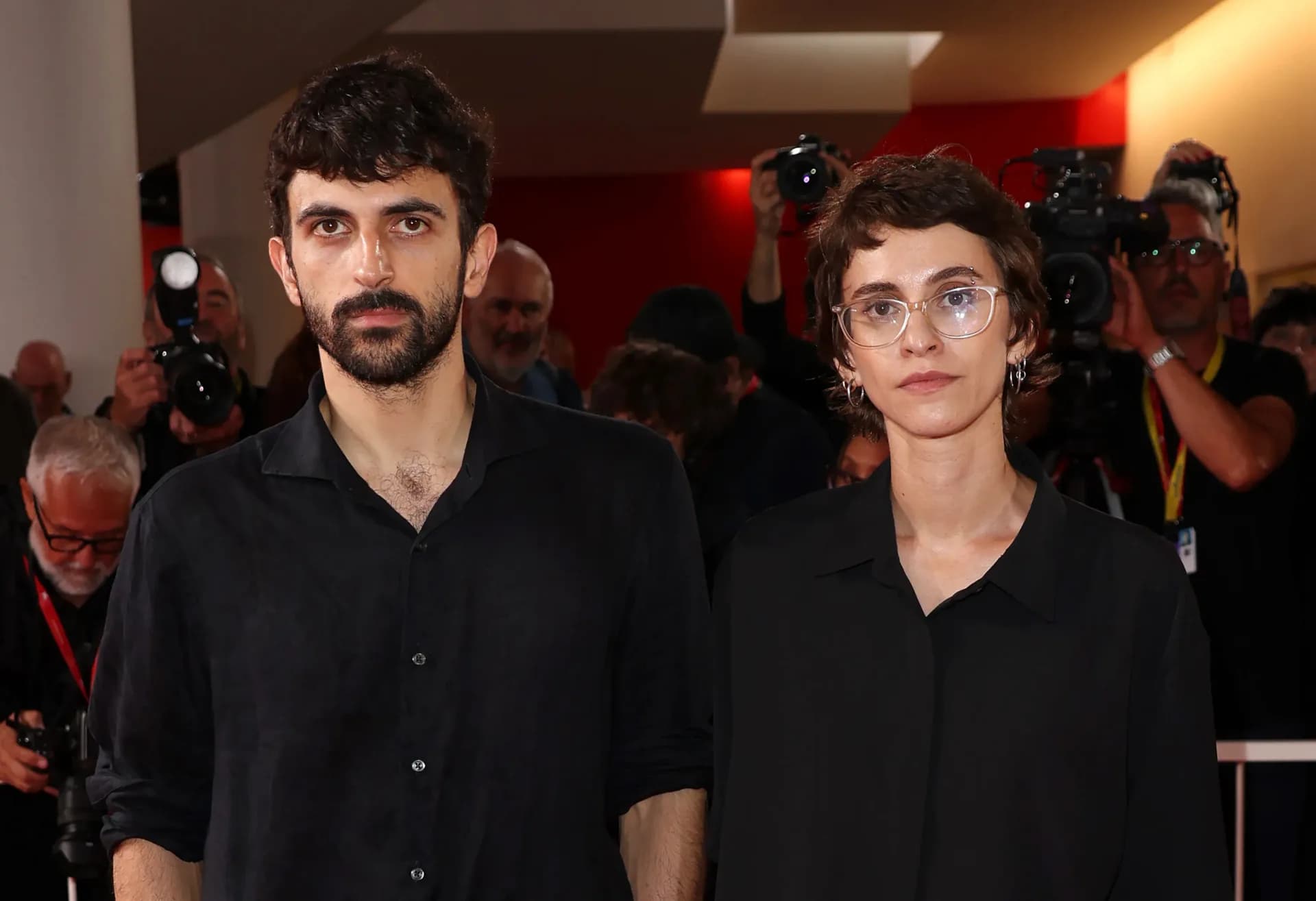
Israel's Culture Minister Vows To Strip NAZA Filmmakers' Citizenship
Israel's Culture Minister Miki Zohar says he will move to revoke the citizenship of NAZA directors Yuval Abraham and Rachel Szor after their Gaza documentary won a Special Jury Prize at Venice.
Bill Murray's Golf Docuseries A Course Called Ireland premieres October 25
Bill Murray teams up with author Tom Coyne and his extended family for a six-part docuseries exploring Ireland’s legendary golf courses. Premiering October 25 on Paramount+ and BBC, the series blends humor, heritage, and unscripted adventures across the emerald isle.
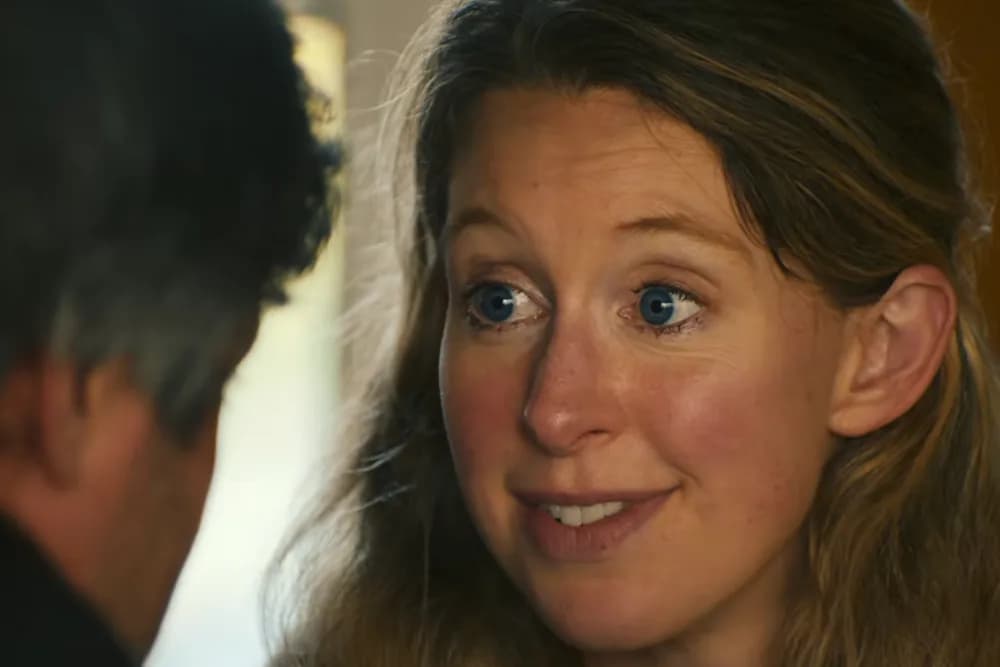
You Can See Everything: Fielder’s Elizabeth Holmes Doc Hits UK Theatres in November
A24 has set November 20 as the U.K. release date for Nathan Fielder and Lance Oppenheim’s Elizabeth Holmes documentary 'You Can See Everything', following its surprise premiere at Telluride. The film, which captured Holmes in the weeks before her 11-year prison sentence, will open in U.S. theaters on October 16.
Be the first to comment
Join the argument. No password, just your email or a passkey.