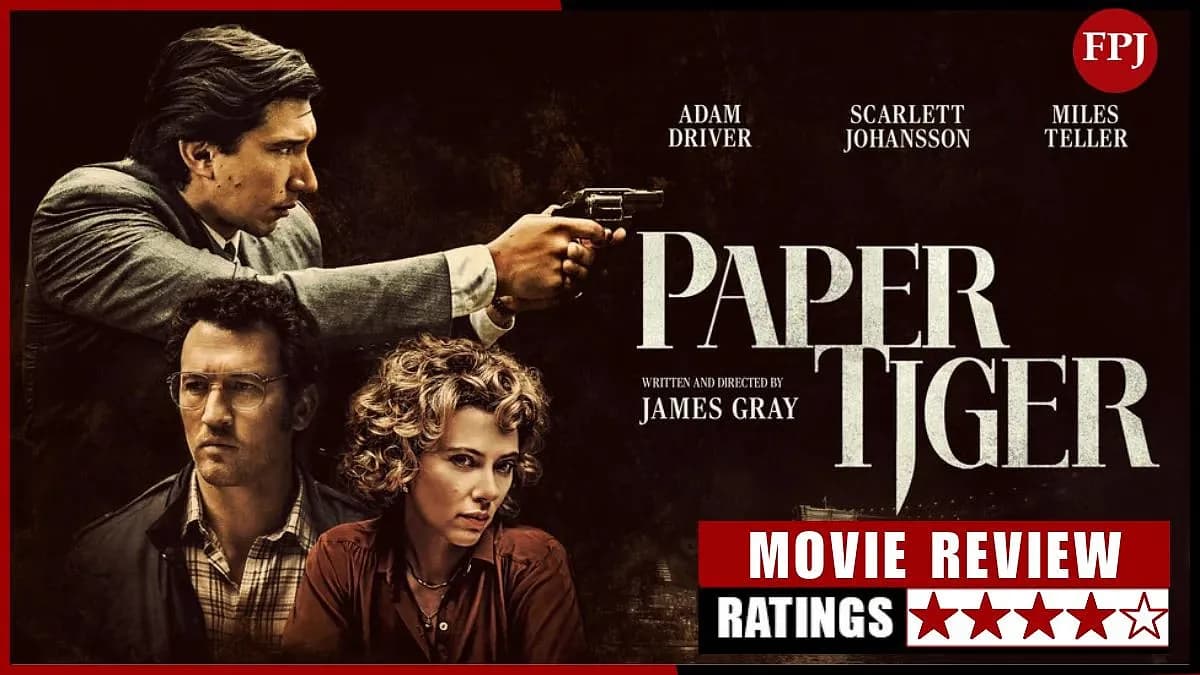
James Gray’s Paper Tiger lands in theatres with a cold, hard punch — a family’s dream of upward mobility collides with the Russian mob in 1986 Queens. Adam Driver and Miles Teller lead a taut, emotionally charged descent into betrayal.
The American Dream, as James Gray shows in Paper Tiger, isn’t always a ladder. Sometimes it’s a trapdoor. The film opens on a Brooklyn apartment where two brothers — Gary (Adam Driver), a former cop with a flair for trouble, and Irwin (Miles Teller), an engineer chasing stability, believe they’ve found their way out of financial strain through a construction deal.
It’s not just about money. It’s about breathing room. A little peace. A chance to be more than what they are.
That’s how the fall begins. And it’s swift. The film, set in 1986 Queens, unfolds like a slow burn with a sudden detonation. The Russian mob isn’t some distant threat.
It’s in the same building. In the same hallway. In the same silence between dinner plates. Gray doesn’t need explosions to make you flinch.
He uses stillness. The camera lingers on a child’s toy left on the floor after a raid. On a mother’s hand trembling as she counts cash. On a father’s face, already guilty before he knows it.
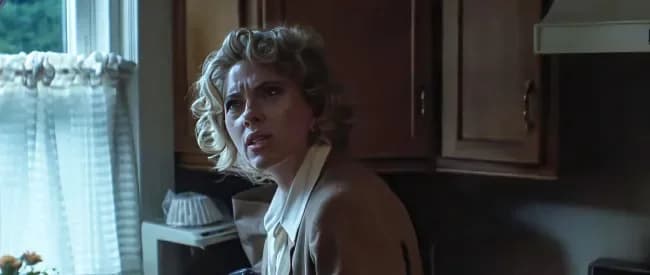
The performances hold the weight. Driver is magnetic, his charm a weapon he doesn’t know he’s wielding. Teller is devastating as the man who just wanted to do right by his family. Scarlett Johansson, as Hester, brings a simmering fury, not at the mob, but at the brother who dragged them into this.
Her anxiety isn’t performance. It’s survival. The score by Christopher Spelman creeps under your skin. The cinematography by Joaquin Baca-Asay drowns the city in shadow, turning familiar streets into something alien.
There’s no grand spectacle. Just the dread of what comes next. The film leans into melodrama at times, one scene involving a child feels stretched, almost too much. But Gray’s control keeps it grounded.
This isn’t a thriller about crime. It’s about trust. About how easily love can become use. How ambition can blind even the most cautious.
The verdict? A bruising, intelligent crime drama that earns its four stars. Not because it shocks. But because it hurts.
And that’s the point. Now, the real question: will audiences stay for the fallout? Or will they turn away, like Irwin did when he first saw the truth?




Be the first to comment
Join the argument. No password, just your email or a passkey.