A woman says no. A man dies. The world turns on her. Pooja Meri Jaan asks who really pays the price.
Pooja Meri Jaan, a 2026 Bollywood courtroom drama starring Mrunal Thakur and Huma Qureshi, arrives at a moment when public discourse around women’s safety and consent is intensifying. The film follows Pooja Dogra (Thakur), a theatre artist in Delhi who plays Juliet in a local production of Romeo and Juliet.
Her co-star, Aniket Srivastava (Vikram Singh Chauhan), has been emotionally invested in her for years — despite her repeated rejections. After a performance, he proposes publicly. Pooja, stunned and uncomfortable, covers her face and retreats to the green room. There, she confronts him, stating she’s already in love with someone else and had never encouraged his advances.
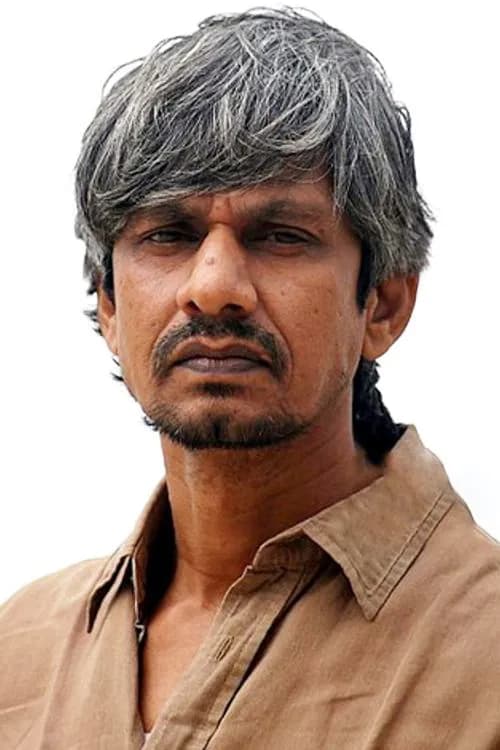
He leaves angry. Days later, he dies by suicide. His mother, Alka (Suparna Marwah), and close friend Mukesh (Manuj Sharma) are convinced Pooja led him on. They’re pushed by Jatin Trivedi (Vijay Raaz), a self-styled men’s rights activist, to file a case against her for abetment to suicide.
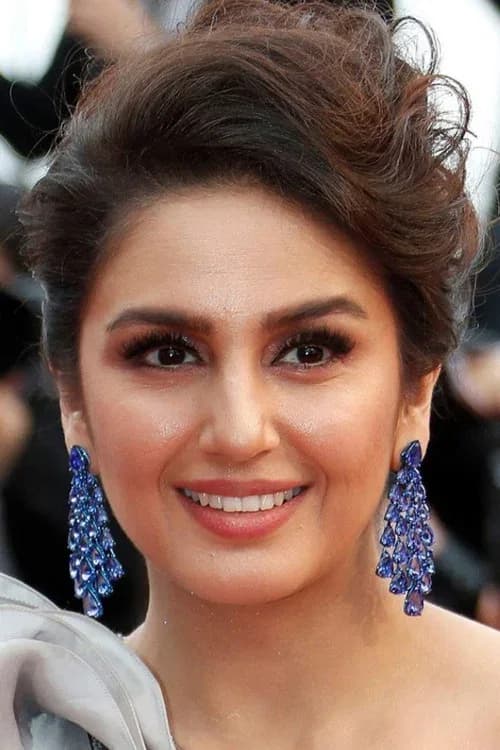
Pooja is arrested. Her friend Sana Mehfooz (Huma Qureshi), a lawyer with her own agenda, takes on the case, not out of loyalty, but because she sees an opportunity to challenge the system from within. As the trial unfolds, Pooja becomes a target of online vitriol, social media mobs, and public scrutiny.
The film doesn’t offer easy answers. It shows how quickly a woman’s refusal can be weaponized, how grief can be repackaged as blame, and how justice can feel like performance. Navjot Gulati directs with restraint, focusing on the emotional weight of isolation and surveillance. He avoids caricaturing any character.
Jatin Trivedi’s ruthlessness is evident in his tone and posture, not just his words. The script, by Niren Bhatt, delivers hard-hitting lines that land with precision. But the pacing stumbles in key moments, especially during courtroom sequences, which feel underdeveloped despite their thematic urgency. Mrunal Thakur brings quiet dignity to Pooja, making her suffering palpable.
Huma Qureshi’s portrayal of Sana is layered, though her character remains underwritten, her motivations stay ambiguous, limiting her impact. Vikram Singh Chauhan’s Aniket is restrained, but the script gives him little depth beyond obsession. Vijay Raaz commands every scene as Jatin Trivedi, embodying the ideological machinery behind the accusation. The supporting cast.
Including Rajesh Jais as Pooja’s father and Madhu Sachdeva as her mother, deliver solid performances without drawing attention away from the central conflict. Vishal Mishra’s music is forgettable. John Stewart Eduri’s background score adds little tension. Jishnu Bhattacharjee’s cinematography is functional, avoiding stylistic flourishes.
The film’s core idea. How society punishes women for saying no, is timely, echoing the national conversation sparked by the 2016 ‘No Means No’ movement. Yet, despite its relevance, it fails to ignite. The storytelling lacks momentum.
The emotional beats don’t land. It’s a film that wants to provoke, but ends up feeling distant. Still, it forces a question: when a man dies after being rejected, who gets to decide what justice looks like? The film opens in select theatres across India this Friday.
Its reception will depend less on plot mechanics than on whether audiences see themselves in the silence between the lines.







Be the first to comment
Join the argument. No password, just your email or a passkey.