Maggie Q headlines the new ten‑episode spin‑off, tackling forgotten crimes while exposing the gender bias inside the LAPD.
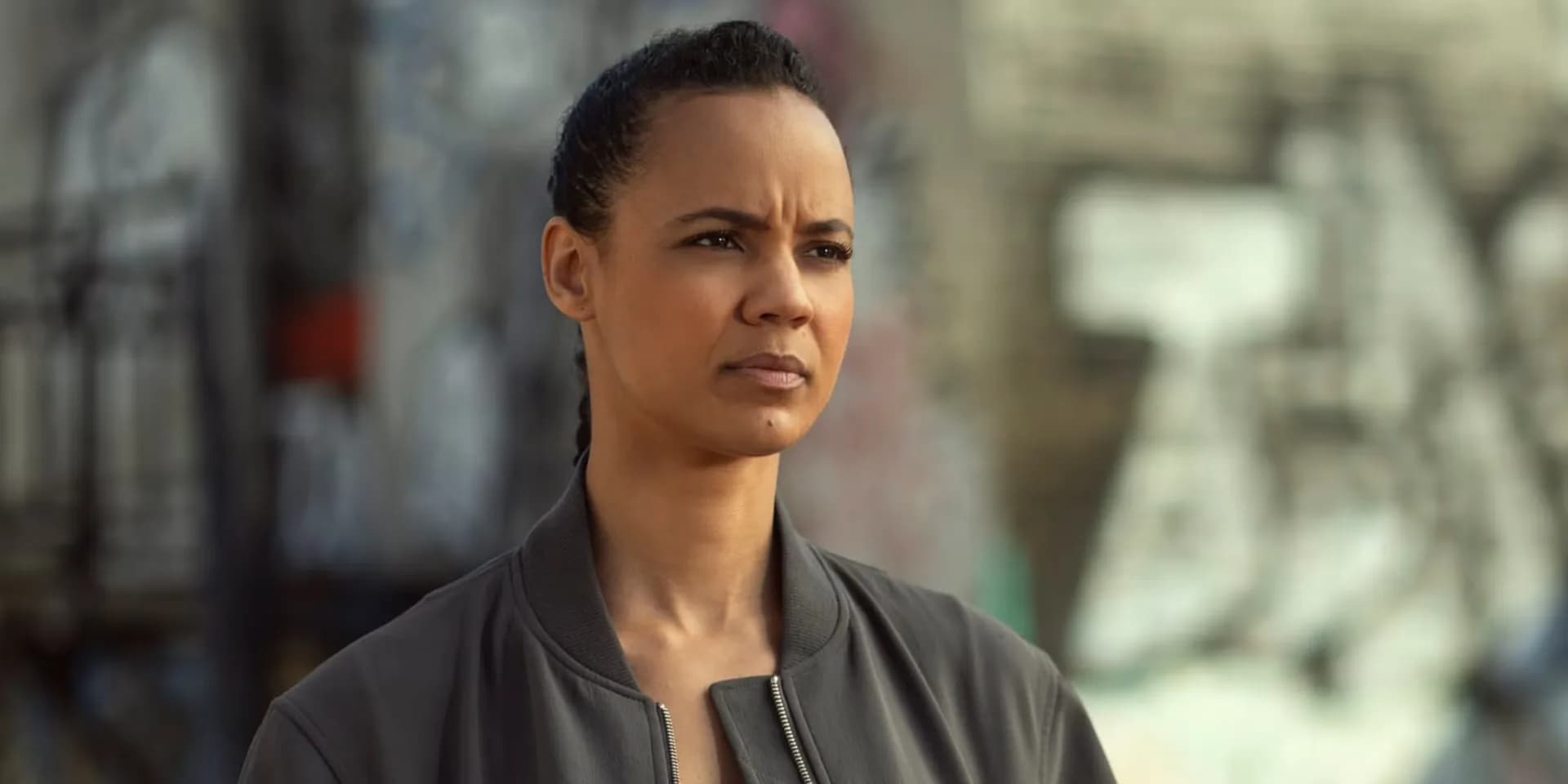
Prime Video has added another entry to its growing roster of gritty crime dramas with Ballard, a ten‑episode series that puts Maggie Q front and centre as Detective Renée Ballard. The show arrives hot on the heels of the network’s recent success with the Neagley spin‑off, but it carves its own niche by focusing on cold‑case work and the institutional hurdles a woman faces in a traditionally male‑run department.
Ballard’s story begins after she is pushed out of the high‑profile Robbery‑Homicide Division and reassigned to the Cold Case Unit. Stripped of prestige, she refuses to fade into the background. Instead, she assembles a rag‑tag crew – a retired detective, a former LAPD officer, an eager intern and a handful of volunteers – each bringing a different skill set to the table. Together they dig into files that have long been shelved, hoping that fresh eyes and modern forensic tools can revive dead leads.
The series does not demand viewers to have followed the Bosch saga, even though Ballard first appeared in the finale of Bosch: Legacy. Her brief encounter with Harry Bosch, played by Titus Welliver, serves more as a nod to fans than a prerequisite for understanding the new narrative. Ballard stands on its own, letting Maggie Q’s character develop without leaning on Bosch’s shadow.
What sets the show apart is its unflinching look at the internal politics of a police force where women often have to work twice as hard for recognition. Ballard’s confrontations with a senior male colleague illustrate the subtle sabotage that can derail a career. When the system fails to back her, she takes matters into her own hands, blurring the line between procedural and personal justice.
Cold cases, by nature, are tough nuts to crack. Evidence can be degraded, witnesses may have moved on, and departmental priorities usually favor fresh crimes. Ballard makes the grind feel tangible: the team pores over dusty files, cross‑checks alibis with new technology, and sometimes uncovers a link that points to a councilman, suggesting that even politically sensitive cases can surface when someone refuses to give up.
The series also weaves trauma into its fabric. While Neagley explored a veteran’s fear of touch, Ballard’s wounds are tied to her day‑to‑day reality – the constant need to prove herself, the dismissive attitudes of peers, and the silence of those who should support her. Over time, she begins to open up about her past, a step that both humanises her and fuels her drive to solve the cases that haunt her.
Action sequences are plentiful, but the real payoff lies in the slow‑burn investigation. Each episode peels back another layer, revealing how solving one forgotten murder can lead to a bigger, more unsettling truth. The narrative balances procedural detail with personal stakes, offering a fresh take on the genre.
For binge‑watchers, Ballard delivers a compact, ten‑episode arc that feels both complete and hungry for more. The show’s release timing – a Thursday evening drop – aligns with Prime Video’s strategy to dominate the weekend streaming window, positioning it as a strong contender against other new releases.
As the series rolls out, the big question is how far Ballard will push the boundaries of her department and whether her unorthodox methods will earn her a permanent place back in the spotlight. The answer will unfold over the next few weeks, episode by episode, as viewers decide if this new detective can finally crack the case that the system tried to ignore.



Be the first to comment
Join the argument. No password, just your email or a passkey.