The story belongs under 'Bollywood' as it involves major Punjabi artists, their safety, and the intersection of music, crime, and diaspora dynamics — all central to Indian entertainment discourse.
AP Dhillon, Ammy Virk, Gulab Sidhu — three Punjabi artists in one month. That’s not a lineup for a festival. It’s a casualty list. September 2026 saw the latest wave of violence targeting Punjabi musicians, adding to a pattern that now stretches back over five years and shows no sign of slowing.
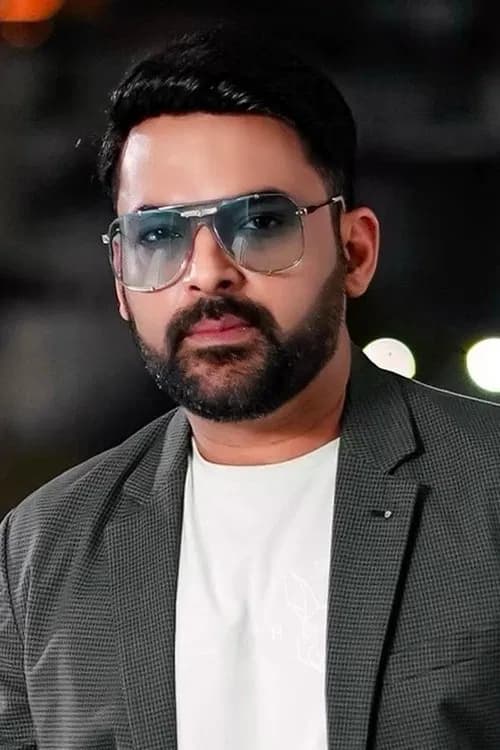
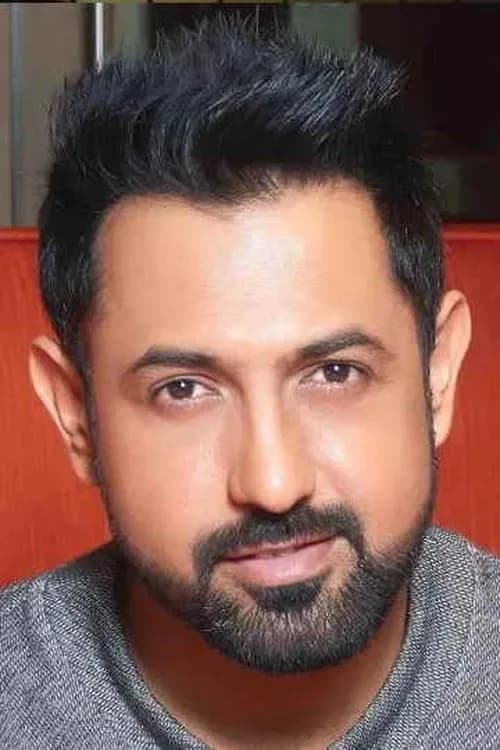
The attacks aren’t random. They’re calculated, often timed with media attention, and increasingly tied to Canada, where many of these artists live, work, or own businesses. Kapil Sharma’s Surrey café has been shot at four times since July 2025. Gippy Grewal’s home in West Vancouver was targeted in 2023.
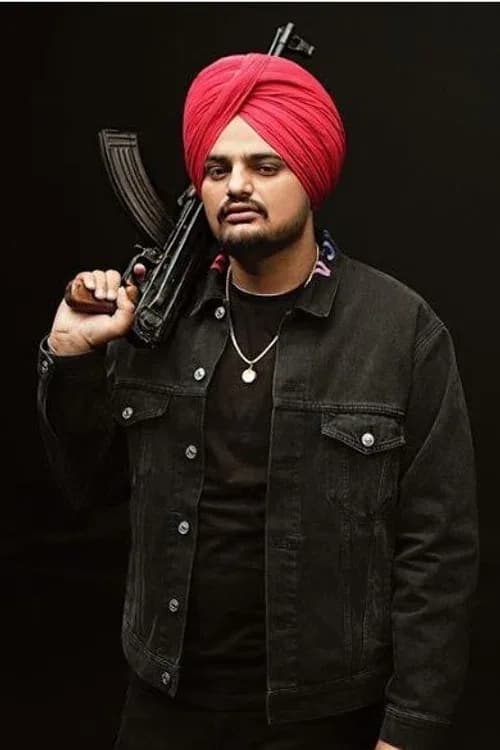
And in May 2022, Sidhu Moose Wala was gunned down in Mansa, Punjab. An event that seems to have lit the fuse on what’s now a recurring crisis. No official demands have ever been made. No ransom notes.
Just bullets. And headlines. According to sources, the Lawrence Bishnoi gang, along with Rohit Godara and Bambiha factions, are linked to most incidents. But why?
The Free Press Journal lays out four possible triggers: money, fear, rivalry, and geography. The Punjabi music industry is worth over ₹700 crores annually, a goldmine. Targeting stars raises their fear factor, making extortion easier. Rivalries, real or imagined, play a role too.
And then there’s Canada. A hub for organised crime networks with deep ties to the diaspora. Director Navjot Gulati sees a deeper echo: the 90s hip-hop killings. He draws a parallel between Tupac’s murder, finally resolved in August 2026 when Duane “Keffe D” Davis was convicted.
And today’s attacks. ‘Maybe they want their narrative in the lyrics,’ he says. Not just control. Visibility.
Relevance. The same way gangsters once used rap videos to project power, today’s threats may be less about money and more about being seen. There’s no proof yet. No court verdict.
But the pattern is undeniable. And if history is any guide, silence won’t stop it. The next target could already be in the frame.



Be the first to comment
Join the argument. No password, just your email or a passkey.