Ramesh Taurani has dropped a quiet bombshell about the 1990s Hindi film music scene — one that rewrites how we remember Alka Yagnik’s rise. In a recent conversation on Komal Nahta’s Game Changers: The Music Series, alongside his brother Kumar Taurani, the veteran producer revealed that during the decade, Alka Yagnik was receiving more playback assignments than any of the leading male singers of the era, Udit Narayan, Kumar Sanu, and Sonu Nigam. It wasn’t just about popularity. It was about volume. Quantity. She was getting the most songs. That’s not a backhanded compliment. It’s a direct statement from someone who oversaw the music slate for multiple films. He didn’t say she was the best. He said she was the busiest. And he backed it with context. Back then, Lata Mangeshkar and Asha Bhosle remained the gold standard. For producers like Taurani, they were the first call. But after them came Alka Yagnik. And then Anuradha Paudwal. The two were seen as the next generation of female voices. Paudwal was being positioned as the successor to Lata Mangeshkar. Alka Yagnik? She was increasingly viewed as the new Asha Bhosle, a voice capable of both emotional depth and theatrical flair. The shift came when Paudwal stepped back from film playback, choosing to work exclusively with T-Series. That move opened doors. As Taurani put it, ‘Luckily, Anuradha Ji stopped singing for films and made herself exclusive to T-Series. This worked in Alka Ji’s favour.’ Suddenly, she wasn’t just filling roles meant for younger singers. She was taking on tracks that had long been reserved for legends. Solos, duets, even poetic shayari. Her range became her currency. The films that defined the era, Qayamat Se Qayamat Tak, Aashiqui, Saajan, Phool Aur Kaante. Weren’t just hits. They were launchpads. Their soundtracks cemented the new wave. And Alka Yagnik wasn’t just part of it. She was central. Her voice became synonymous with the decade’s emotional core. The numbers don’t lie. Among the top male playback singers of the time, she outpaced them all in sheer output. No other female singer had this kind of reach across genres, moods, and composers. Not then. Not now. The claim isn’t speculative. It comes from a man who helped shape those years. And while the series focuses on music history, the implication is clear: Alka Yagnik didn’t just survive the ’90s. She dominated it.
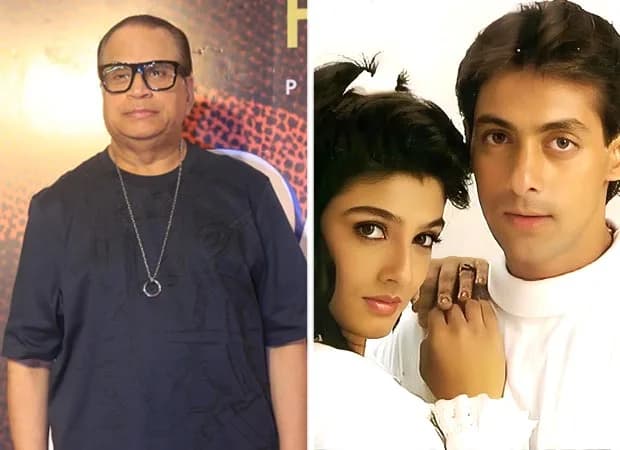
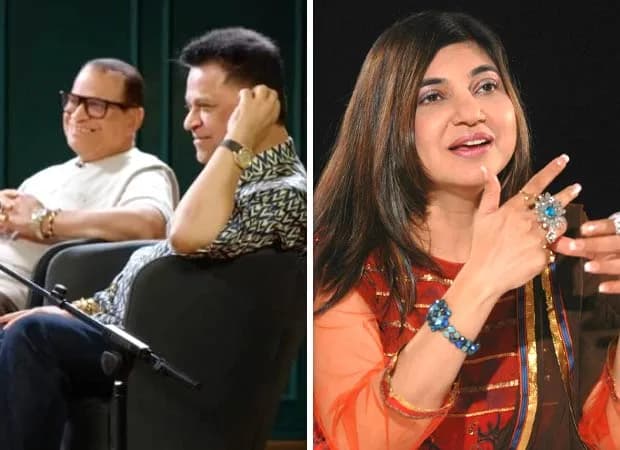 Photo via Bollywood Hungama
Ramesh Taurani Son: Alka Yagnik Got Most Songs in 90s, Says Producer
Ramesh Taurani says Alka Yagnik got more songs than Udit, Sanu & Sonu in the 90s — a claim backed by his remarks across three Bollywood Hungama reports.
In this story
Live site hype
around 2 reading right now · 357 today
Reported from
- Bollywood Hungama — Ramesh Taurani recalls Alka Yagnik’s rise in the ’90s: “She was getting the most songs”
- Bollywood Hungama - Features — Ramesh Taurani recalls Alka Yagnik’s rise in the ’90s: “She was getting the most songs”
- Bollywood Hungama - Main Feed — Ramesh Taurani recalls Alka Yagnik’s rise in the ’90s: “She was getting the most songs”
- Bollywood Hungama — Ramesh Taurani recalls Alka Yagnik’s rise in the ’90s: “She was getting the most songs”
This article was written by the CutMirchi desk from the reporting above. Facts are attributed to their original publishers.
Read next
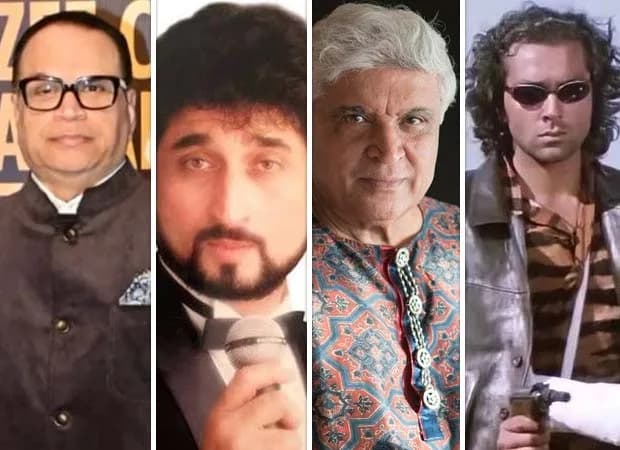
Soldier’s Lost Song: Ramesh Taurani Reveals Why Bobby Deol’s First Scene Wasn’t What We Saw
Ramesh Taurani reveals that Nadeem-Shravan and Javed Akhtar were a wrong combination for Soldier, leading to the scrapping of a Bobby Deol-Preity Zinta song and the eventual rise of Sameer as the film’s lyricist.
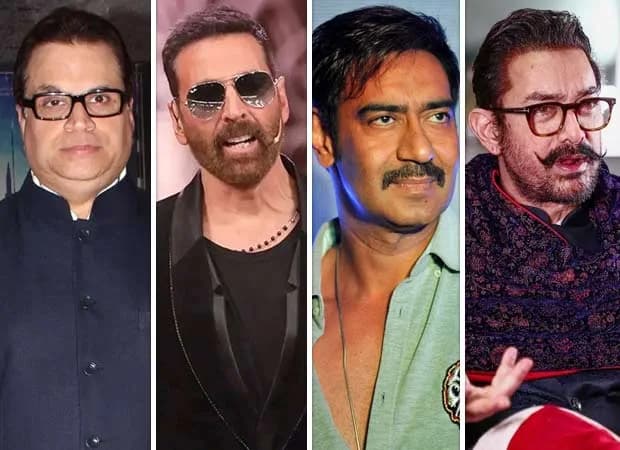
Ramesh Taurani Says Actors Fear One Flop Too Much
Ramesh Taurani and his son Kumar Taurani, speaking to Komal Nahta, said today's actors are too scared of flops and praised Akshay Kumar, Ajay Devgn and Salman Khan for staying prolific despite the risk.
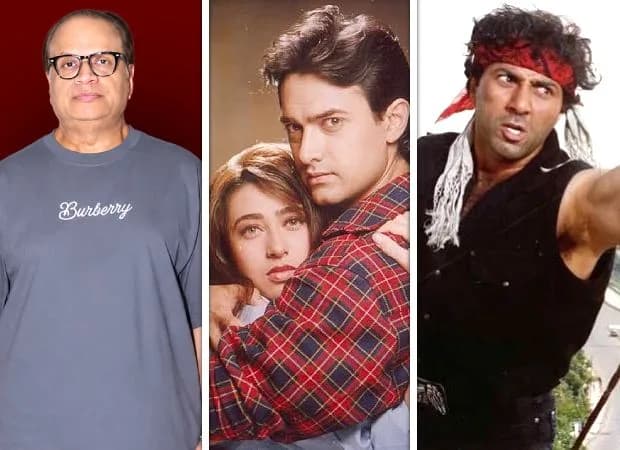
‘Yaara O Yaara’ Was Meant for Raja Hindustani
The song that became a defining moment for Aamir Khan’s Raja Hindustani almost didn’t happen. According to Ramesh Taurani, the original plan was to open the film with ‘Yaara O Yaara Milna Humara’—a track he says was locked in during early sessions. But Dharmesh Darshan, the film’s director, pulled it out. Why? Because he wanted the title itself to be part of the music. The line ‘Sabse pyaara m…'
How a ₹5 Lakh Cheque Made Patthar Ke Phool Happen
The first cheque for ₹5 lakh didn’t just clear a music bill. It cleared a career.
Be the first to comment
Join the argument. No password, just your email or a passkey.