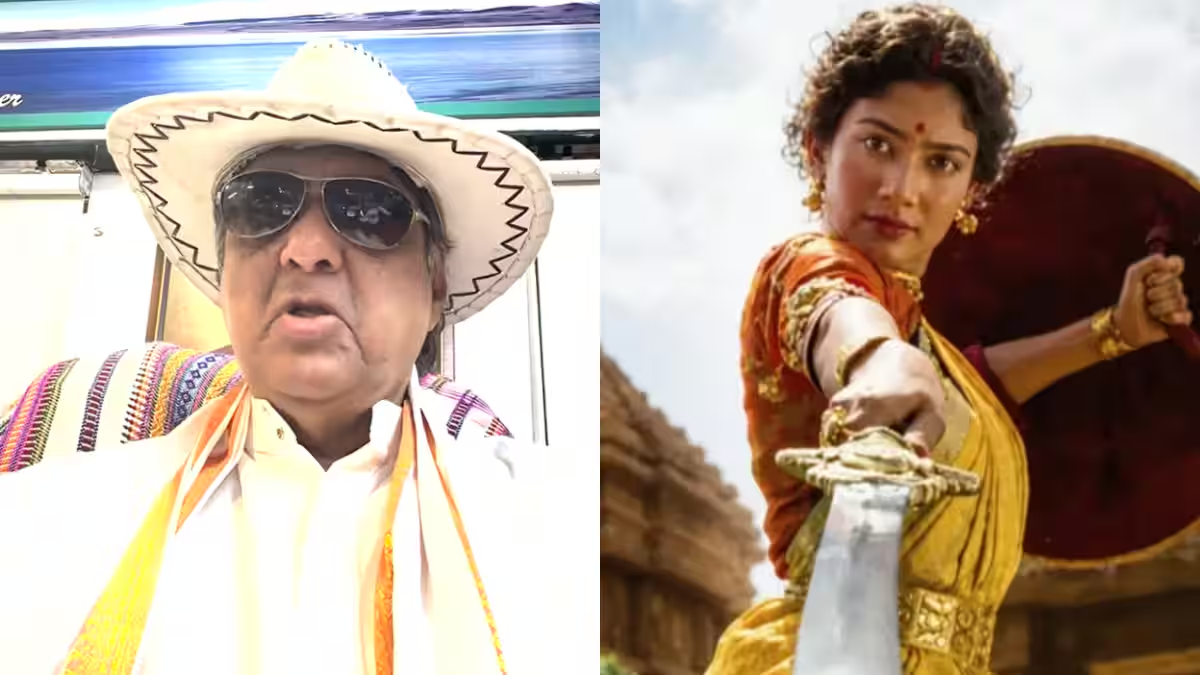
Mukesh Khanna slams Sai Pallavi's portrayal of Sita in Ramayana, calling for shame over the warrior depiction. He claims the scene contradicts Valmiki’s Ramayana and criticizes filmmakers for prioritizing budget over authenticity.
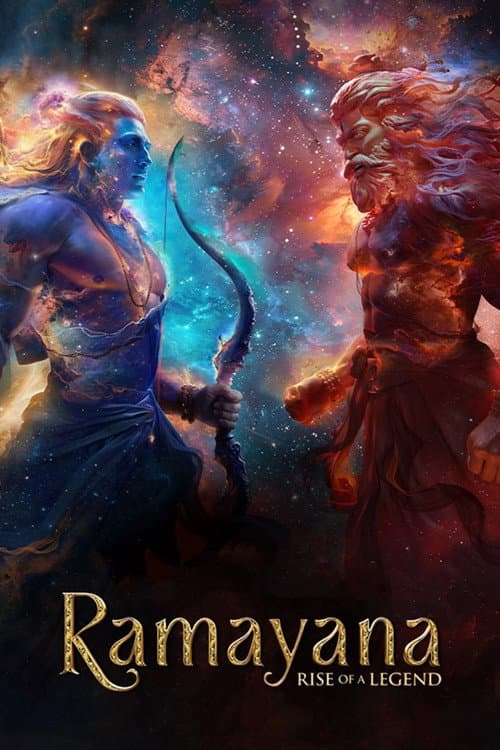
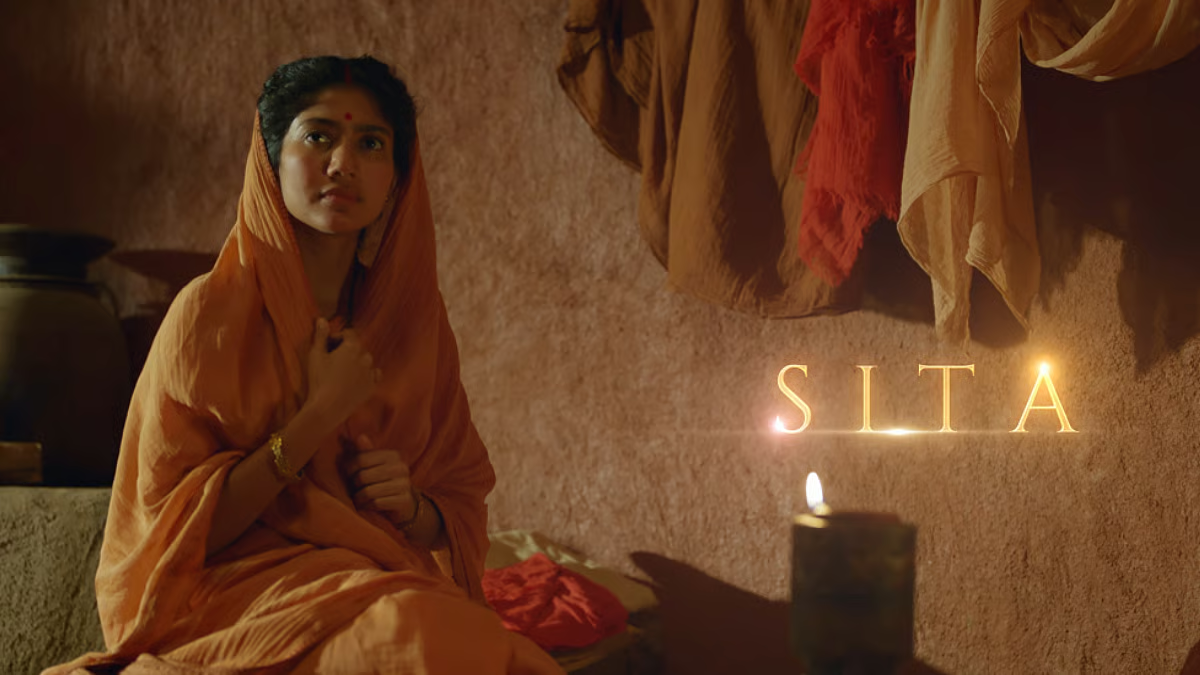
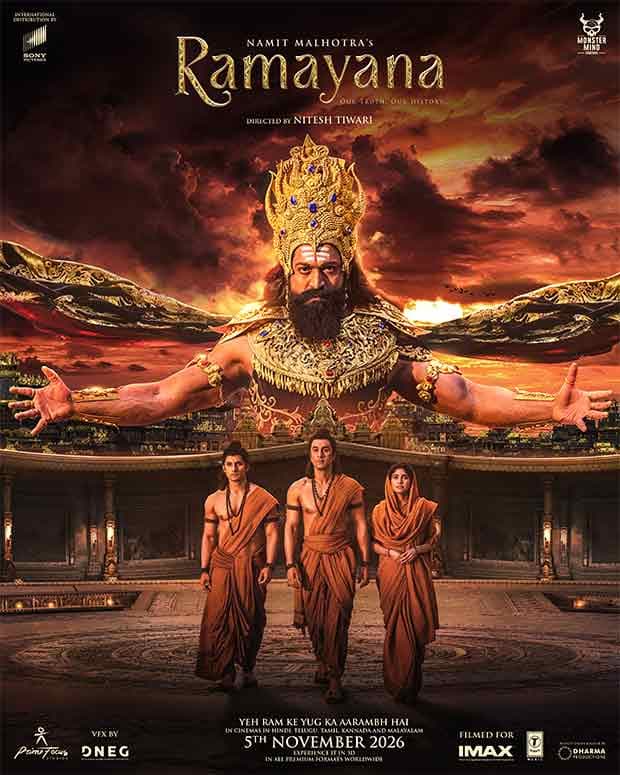
Sai Pallavi’s Sita is fighting demons. That’s the spark. And now, Mukesh Khanna has lit a fire around it. The actor, best known for playing Bhishma Pitamah and Shaktimaan, has hit back at Nitesh Tiwari’s Ramayana — not with a review, but with a moral reckoning.
He hasn’t seen the film. But he’s seen the trailer. And what he saw was heresy. Not in spirit.
In framing. In choice. In the way she moves through the forest, sword in hand, eyes sharp as ash. 'Sharam aani chahiye aapko,' he said.
Shame should be yours. The words landed like a stone in a temple pond. No one asked him to watch. He didn’t need to.
The scene was enough. The idea was enough. The idea of Sita as warrior, not just wife, not just mother, but fighter, this is where the line gets drawn. Khanna says Valmiki never wrote that.
She wasn’t a combatant. She was Maryada Purushottam’s consort. Devotion, not defiance. If she fought, why didn’t she fight Ravana?
Why did she go quietly? His questions aren’t about plot holes. They’re about lineage. About who owns the story.
Who gets to rewrite it. He doesn’t care if the makers say they took it from Adbhuta Ramayana. ‘Ramayana ek hi thi,’ he says. One version.
Valmiki’s. Not some alternate retelling. Not some mythic expansion. You can’t pick and choose. Not when you’re holding a sacred text.
Not when millions are watching. Not when the budget is said to be ₹4,000 crore. That number, he says, has become the real villain. The conversation isn’t about truth anymore.
It’s about recovery. ‘Yeh mudda ban gaya hai,’ he says. The money. The box office.
The numbers. The rest? Forgotten. The debate isn’t new.
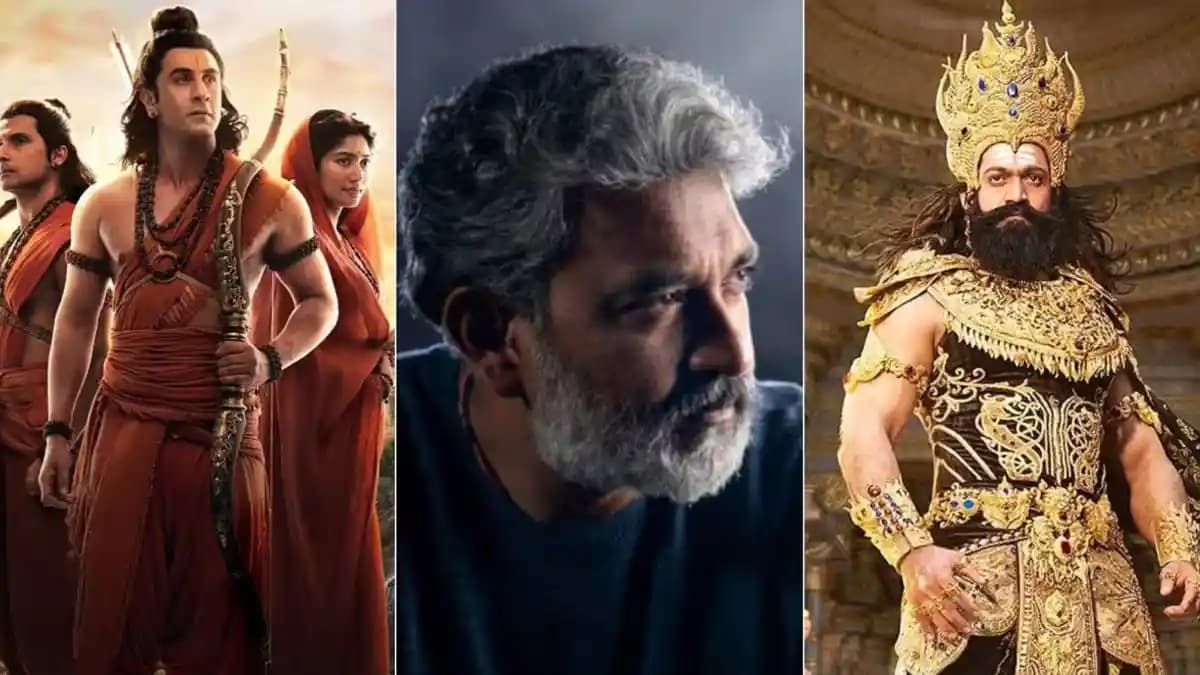
Khanna had questioned Ranbir Kapoor’s portrayal too, why make Rama move like an action hero? But this time, it’s sharper. It’s personal. It’s about identity.
About what we let our gods become. The film’s defenders point to the Adbhuta Ramayana, where Sita manifests as a divine force, a Shakti avatar. Where she defeats Ravana not by surrender, but by fury. But Khanna sees a gap between tradition and spectacle.
Between reverence and reimagining. He’s not alone. Some fans agree. Others don’t. Some see strength in movement.
Others see betrayal in motion. The makers haven’t responded. Yet. But the silence speaks.
The film released on November 5. The second part is set for Diwali 2028. The controversy won’t die with the credits. It’ll live in every frame.
Every question. Every ‘why?’ And the next thing that matters? Whether the audience will accept a Sita who fights, or whether they’ll demand one who waits.

Be the first to comment
Join the argument. No password, just your email or a passkey.