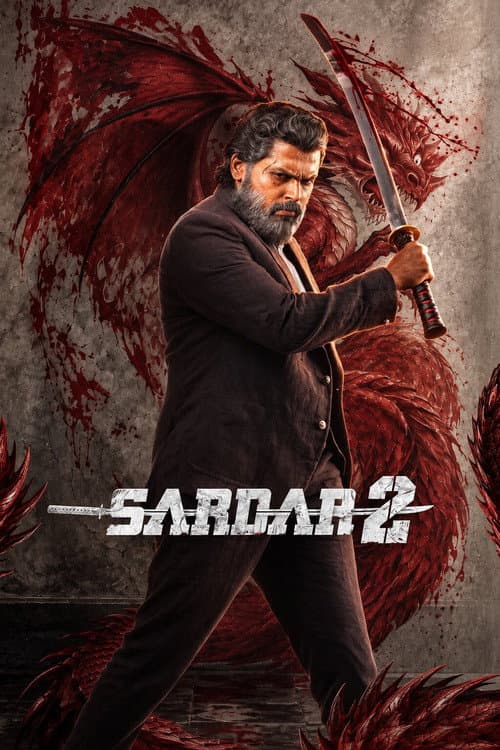
The Karthi-starrer spy thriller closed its theatrical run after just three weeks, failing to cross ₹35 Crore breakeven despite a high budget.
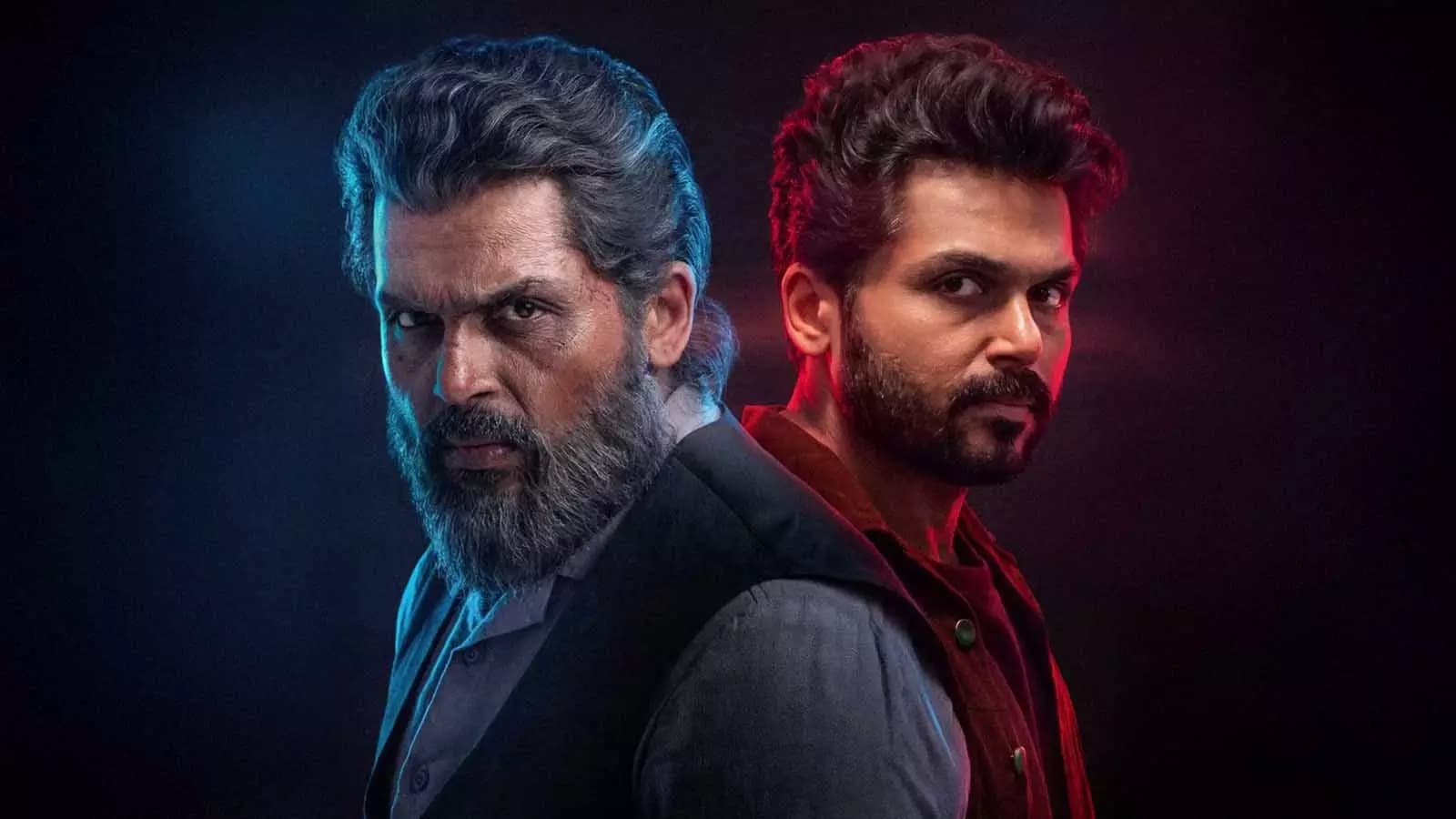
Sardar 2 didn’t just underperform — it vanished. In 16 days, the Kollywood spy-thriller went from hype to oblivion, closing its theatrical run before the month ended. The film, which had a budget exceeding ₹100 Crore and a ₹35 Crore breakeven target, pulled in just ₹12 Crore in share, 34% of what it needed to break even.
Its domestic numbers were grim: ₹11 Crore in Tamil Nadu, ₹6 Crore in Telugu states, and negligible collections across Karnataka and Kerala. Overseas? A paltry $500K (₹4.85 Crore). The total worldwide gross: ₹24.85 Crore. Not enough to cover prints, promotions, or even half the production cost.
The drop was so steep that theaters stopped showing it entirely. By the end of the first week, occupancy hit zero. No revival. No second chance. Just silence.
So the makers pivoted fast. On October 1. Just 21 days after its September 10 theatrical launch, Sardar 2 landed directly on Amazon Prime Video. No delay. No festival window. No regional rollout. Straight to streaming.
This isn’t the first time a big-budget Indian film has flopped theatrically only to find an audience online. But the speed of the pivot is rare. And the scale of the failure? Unprecedented for a Karthi-led project.
Trade sources confirm this marks one of the biggest commercial disasters in Kollywood this year. The film’s predecessor, Sardar 2 (2024), had been a solid performer. This sequel, however, failed to carry the momentum.
Audiences weren’t buying the spy drama. Critics were lukewarm. Social media reactions ranged from disbelief to mockery. One viral post asked, "Me wondering why ts even exists after watching Sardar 2". A sentiment echoed across platforms.
Now, the real test begins: will Amazon Prime Video salvage something from the wreckage? Or will the film become another cautionary tale of overambition in Indian cinema?
One thing’s certain: the next big-budget sequel will be watched with far more skepticism.





Be the first to comment
Join the argument. No password, just your email or a passkey.