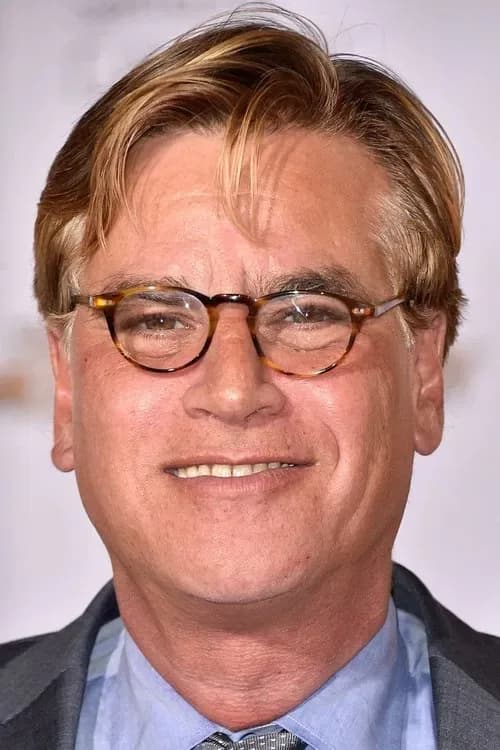
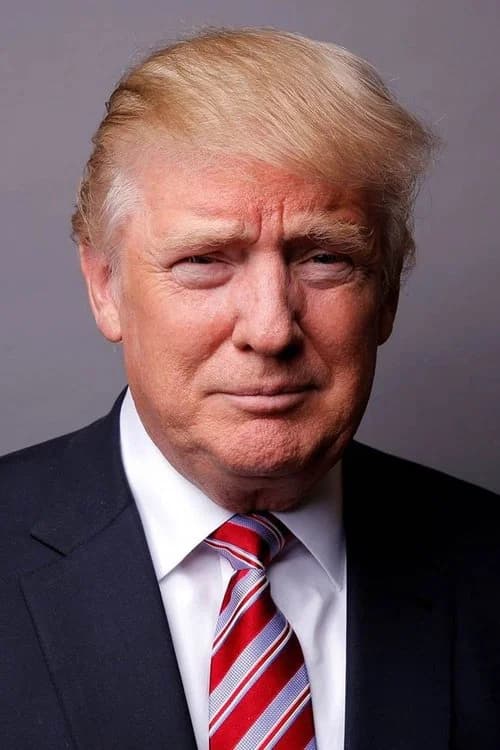
Aaron Sorkin’s new film, The Social Reckoning, opens this weekend with a thunderclap of moral certainty — and a quiet controversy simmering beneath the surface. The movie, which positions itself as a reckoning with digital deception, features a dramatised re-creation of January 6, 2021, where President Donald Trump, never named. Is shown egging on rioters in real time. Jeremy Strong plays Mark Zuckerberg, watching from afar as chaos unfolds, while a character asks if Trump is trying to restore order. The answer, implied by the scene, is no. He’s inciting it. But according to Hollywood in Toto, that version of events isn’t just contested, it’s factually wrong. The article cites Trump’s actual Facebook and Instagram posts during the siege: calls for peace, demands for law and order, repeated pleas for people to go home. The post was removed by Facebook under its ‘dangerous individuals’ policy. Yet in Sorkin’s film, those words are erased. Instead, the narrative leans into a long-standing political framing: that Trump stoked violence. No major critic has questioned the sequence. Not one outlet has run a comparison between the film’s portrayal and the original social media content. That silence is telling. Sorkin, who once built a fictionalised Social Network on shaky facts, now delivers a biopic about misinformation. While embedding a disputed account of one of the most polarising days in recent American history. And here’s the irony: the film accuses platforms of prioritising clicks over truth. But it doesn’t pause to ask whether its own storytelling does the same. The release date is Friday. The debate starts Thursday night. In the theatre, the lights dim. On screen, Trump’s face flickers, unseen, uncredited, but unmistakable. The audience sits still. Then someone whispers: 'That’s not what he said.'
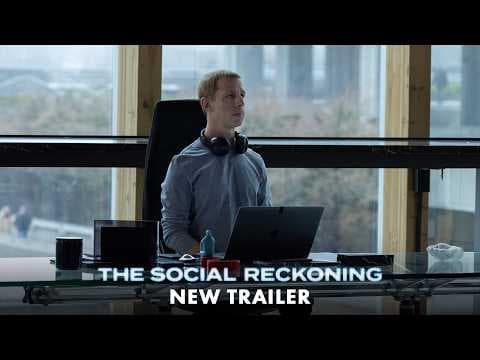 Photo via Hollywood in Toto
Sorkin’s New Film Accuses Facebook of Spreading Lies—Then Tells One of Its Own
Sorkin’s The Social Reckoning blames Facebook for spreading lies—but in its Jan. 6 sequence, it repeats one of the biggest ones.
In this story
Live site hype
around 2 reading right now · 97 today
About the film
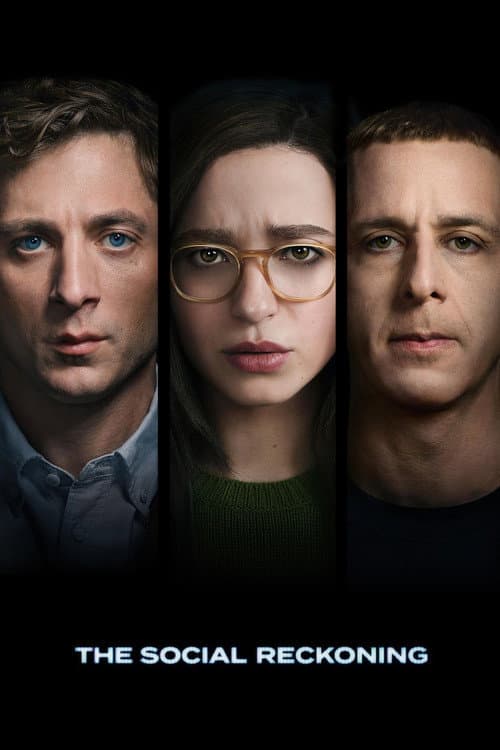
The Social Reckoning
9 October 2026 · in theatres · cast, trailer and release details
Reported from
This article was written by the CutMirchi desk from the reporting above. Facts are attributed to their original publishers.
Read next
Aaron Sorkin Says No One Told Him To Cut Trump From Facebook Film
Aaron Sorkin says nobody asked him to leave Donald Trump out of The Social Reckoning, his Facebook whistleblower film releasing October 9. He calls it a story about division, not party politics.
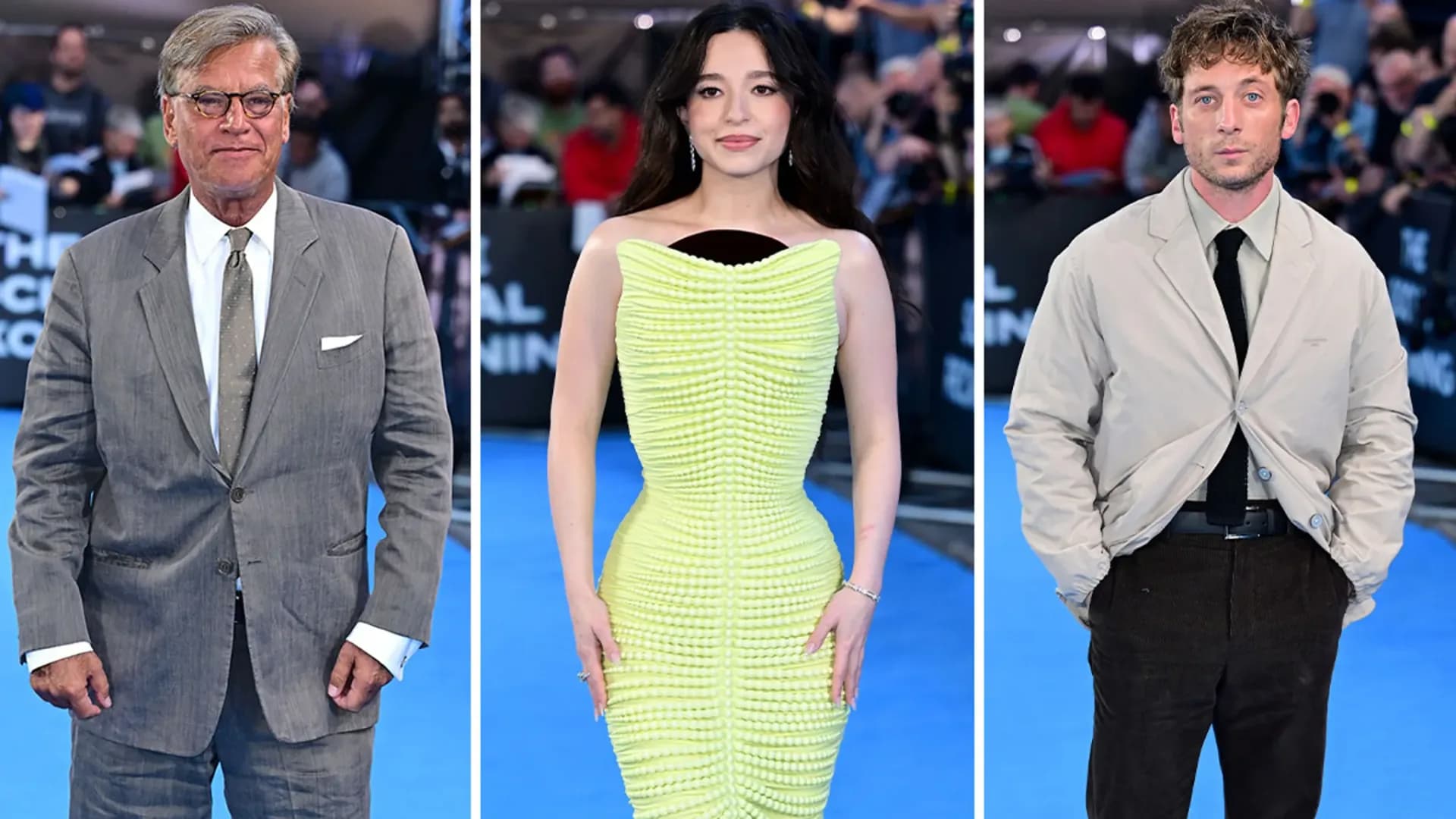
Aaron Sorkin Turns Heads With Sun‑Kissed Look At London Premiere
Aaron Sorkin's bronzed appearance at the London screening of The Social Reckoning sparked chatter, while the director explained why former President Donald Trump is absent from the Facebook‑focused drama.
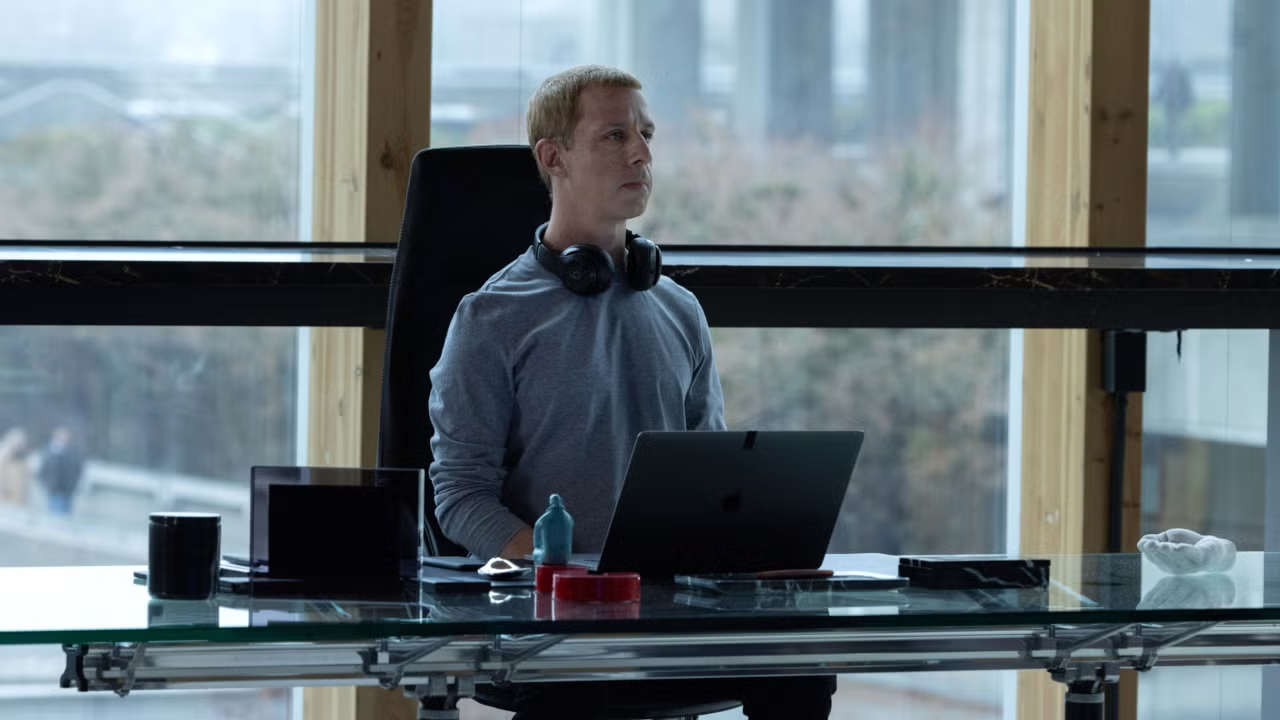
Sorkin Cuts Trump From ‘The Social Reckoning’ to Keep Politics Out
The writer‑director explained to Politico that keeping Trump off‑screen lets ‘The Social Reckoning’ focus on Facebook’s role in misinformation, rather than turning the film into a Trump‑centric debate.
Jeremy Allen White Says He’d Play Gene Wilder
He’s not waiting for permission. He’s asking for it.
Be the first to comment
Join the argument. No password, just your email or a passkey.