
The Social Reckoning opened to $5.3 million in the US and $8.8 million globally — against a $40 million budget, and landed at number five, a soft debut for a Sony Pictures sequel with Aaron Sorkin at the helm. The film, billed as a companion piece to David Fincher’s 2010 Oscar-winning The Social Network, failed to ignite either critical or audience momentum. Rotten Tomatoes gave it a 55% approval rating. Audiences scored it 73%, and CinemaScore dropped it to a B-. That’s not just lukewarm. It’s a red flag for word-of-mouth. The second weekend? Likely steep. Streaming is already the only game left. Sorkin wrote the original script but didn’t direct it. Fincher did. Now he’s back on Netflix, working on a Once Upon a Time in Hollywood spin-off. So Sorkin stepped in, without the same magic. He brought Mikey Madison as Frances Haugen, Jeremy Allen White as Jeff Horwitz, and Jeremy Strong as Zuckerberg (a role Jesse Eisenberg declined). No original cast returned. Not even Armie Hammer, who’s trying to rebuild after scandal fallout. The new faces were solid. Madison’s Oscar win, White’s Bear acclaim, Burr’s comedic punch, but none carried box office weight. They weren’t enough. Timing was another casualty. October isn’t kind to prestige dramas anymore. Audiences want thrills, chills, spectacle. Other Mommy crushed it during Halloween. Resident Evil ruled September. Even Verity and Brad Pitt’s dog survival flick pulled numbers. Real-life drama about Facebook whistleblowers? Too heavy, too slow, too much like homework. People don’t want to be lectured at the movies. They want to be entertained. And right now, entertainment is louder, faster, scarier. So what happens next? Awards season. Sorkin’s name still carries clout. Maybe The Social Reckoning finds traction there. But unless it wins something, the path is clear: wait for streaming. The theatrical run is over. The reckoning has already happened. Just not at the box office.
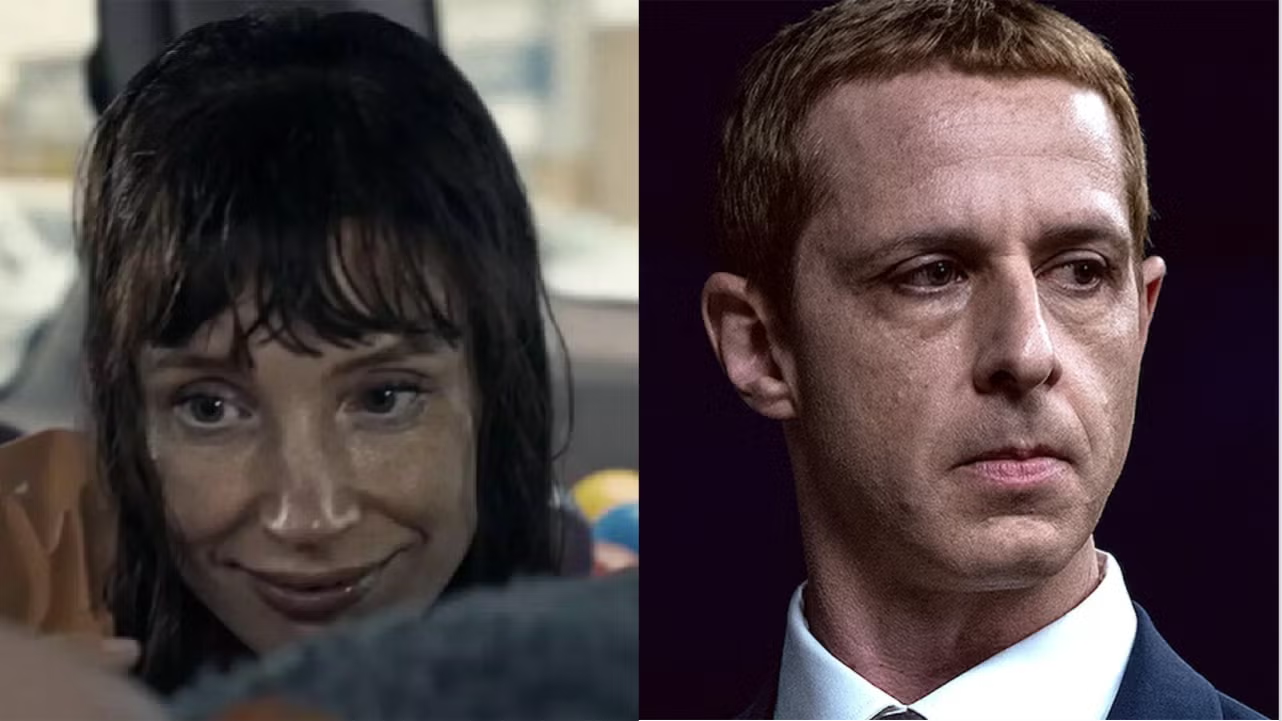
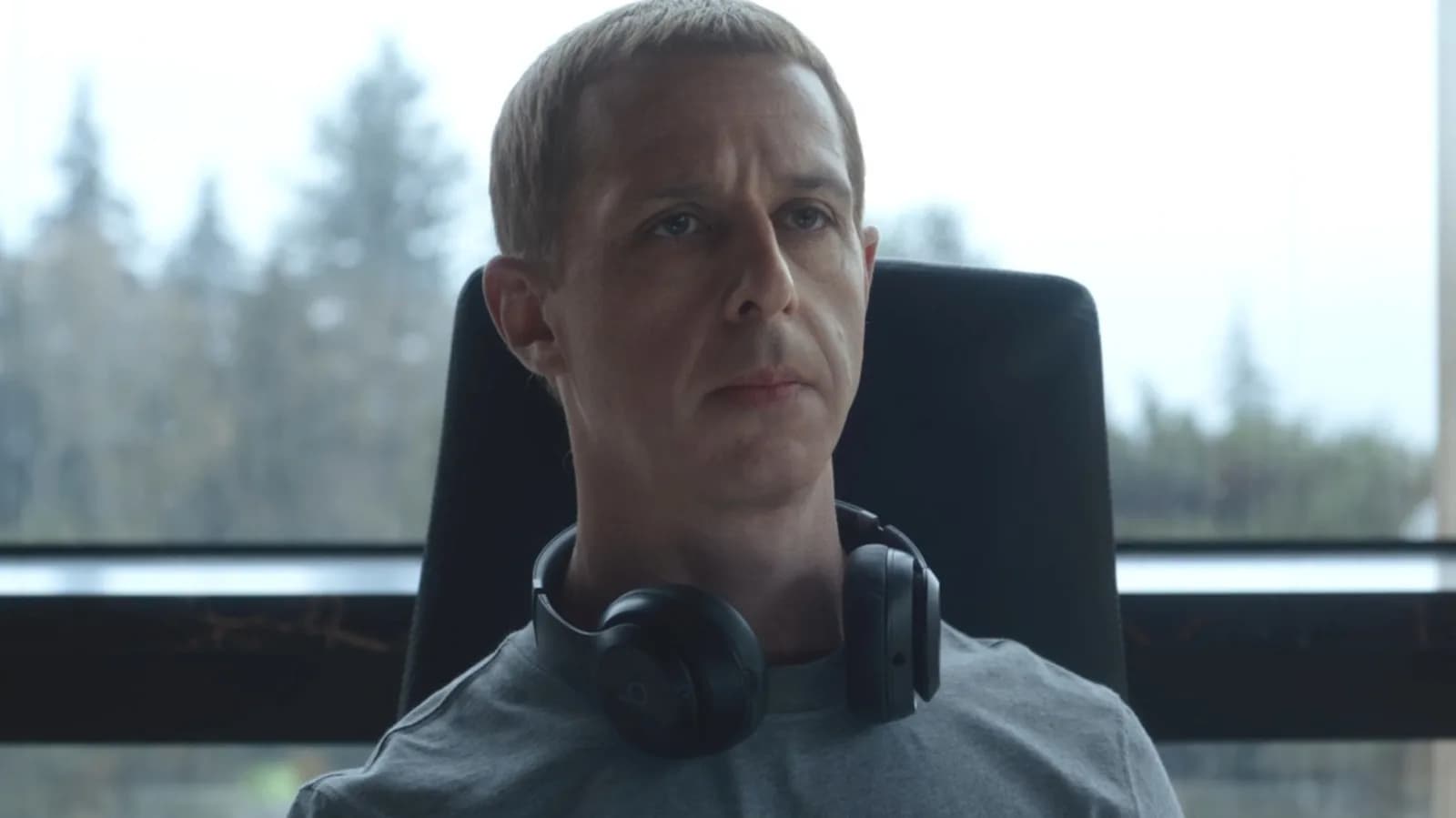 Photo via /Film
The Social Reckoning Box Office: Why the Sequel Failed
Sony's Aaron Sorkin-led follow-up to The Social Network flopped hard—$8.8M global debut, no stars from the original, and a crowded October that left real-life drama behind.
In this story
Live site hype
around 2 reading right now · 348 today
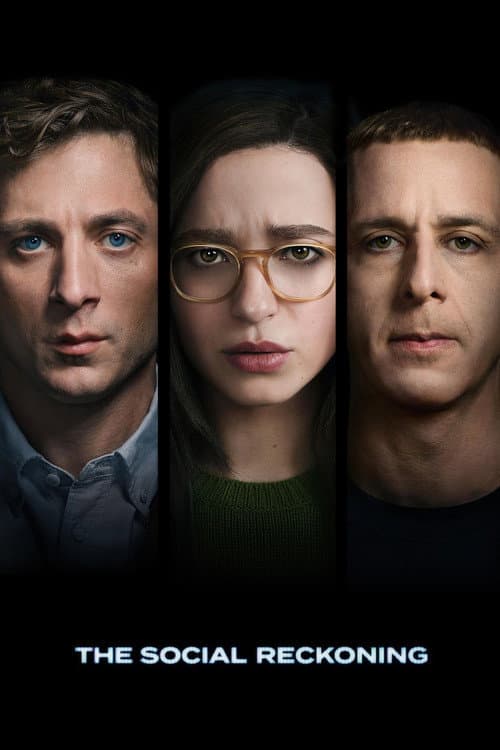
About the film
The Social Reckoning
9 October 2026 · in theatres · cast, trailer and release details
Reported from
This article was written by the CutMirchi desk from the reporting above. Facts are attributed to their original publishers.
Read next
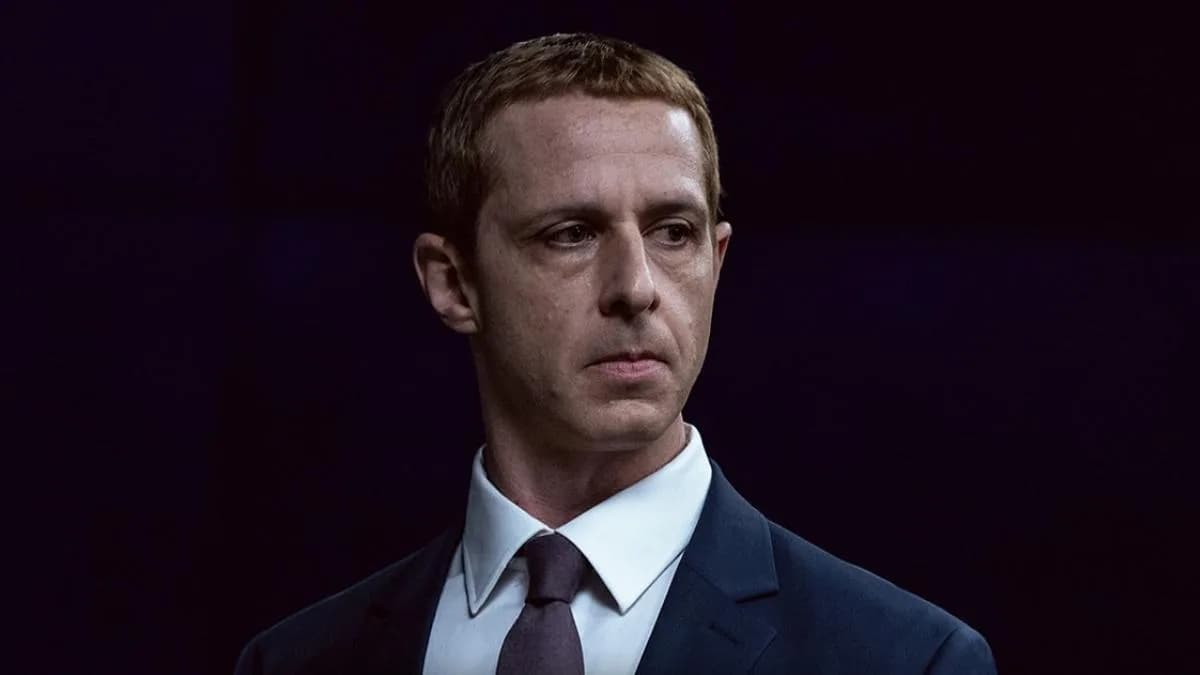
The Social Reckoning Falters: Under $1M Preview Take, Eyes $6M Opening
The Social Reckoning opened with a whimper. Just $650k from Thursday previews in North America—less than a million, and barely enough to justify the $7m opening weekend it once seemed poised for.
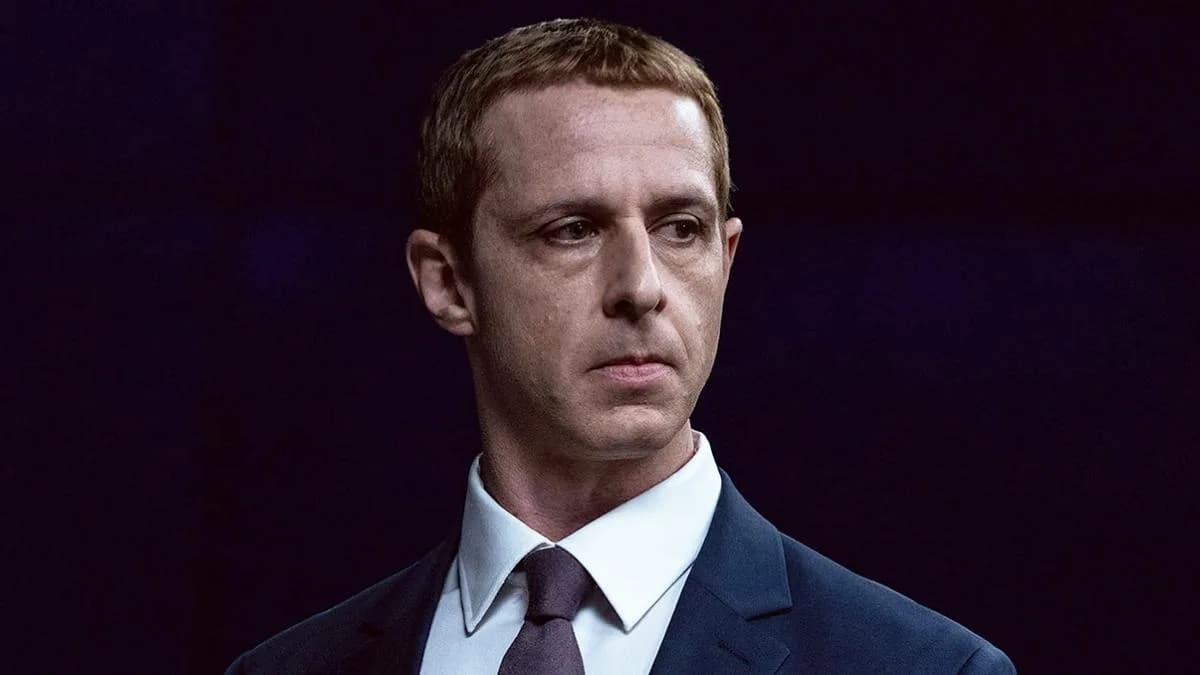
The Social Reckoning Opens With Survival Mode On
The Social Reckoning opens today with a $30M budget and $75M break-even target — a sequel built for survival, not spectacle.

Other Mommy Tops Box Office Despite D+ Score, Sorkin’s Facebook Film Falters
Other Mommy’s closet is full of ghosts — and so is the box office. The horror film, starring Jessica Chastain as a sinister presence in a child’s room, opened with $28 million across North America, far exceeding Universal’s $20 million projection. It’s the kind of debut that makes studios cheer, even if audiences don’t. CinemaScore slapped it with a D+, the lowest since Megalopolis in 2024. Rotten
The Box Office Is Done With Reality
Two new releases, two weak openings. The box office isn't just slowing — it's rejecting stories about today.
Be the first to comment
Join the argument. No password, just your email or a passkey.