The bench instructed DGP C.V. Anand to submit names of officers alleged to have manhandled two female MLAs after a clash at the Assembly gates.
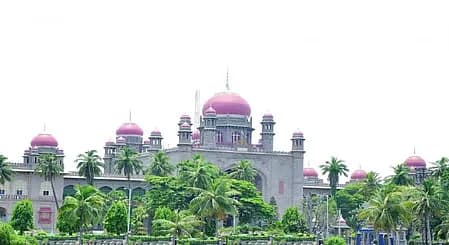
The Telangana High Court stepped in on Tuesday, directing the state’s police chief to name every officer suspected of rough‑handling two women legislators from the Bharat Rashtra Samithi (BRS). The order came after the party lodged a petition alleging that police had physically abused former minister Sabitha Indra Reddy and MLA Sunitha Lakshma Reddy at the Assembly entrance earlier this month.
Court Directions
Justice T Madhavi Devi, who presided over the hearing, asked Director General of Police C.V. Anand to compile a list of the accused personnel and forward it to Speaker Gaddam Prasad Kumar for disciplinary action. If the alleged misconduct happened outside the Assembly precincts – for instance, at the main gate – the court further instructed the DGP to report the matter directly to the bench.
The court’s intervention follows an earlier order on September 7 that barred authorities from barring legislators from entering the House. That earlier direction emphasized that internal decorum is the Speaker’s domain, not the police’s. While the court refused to overturn the interim protection allowing MLAs to walk into the chamber, it sharpened the focus on police conduct.
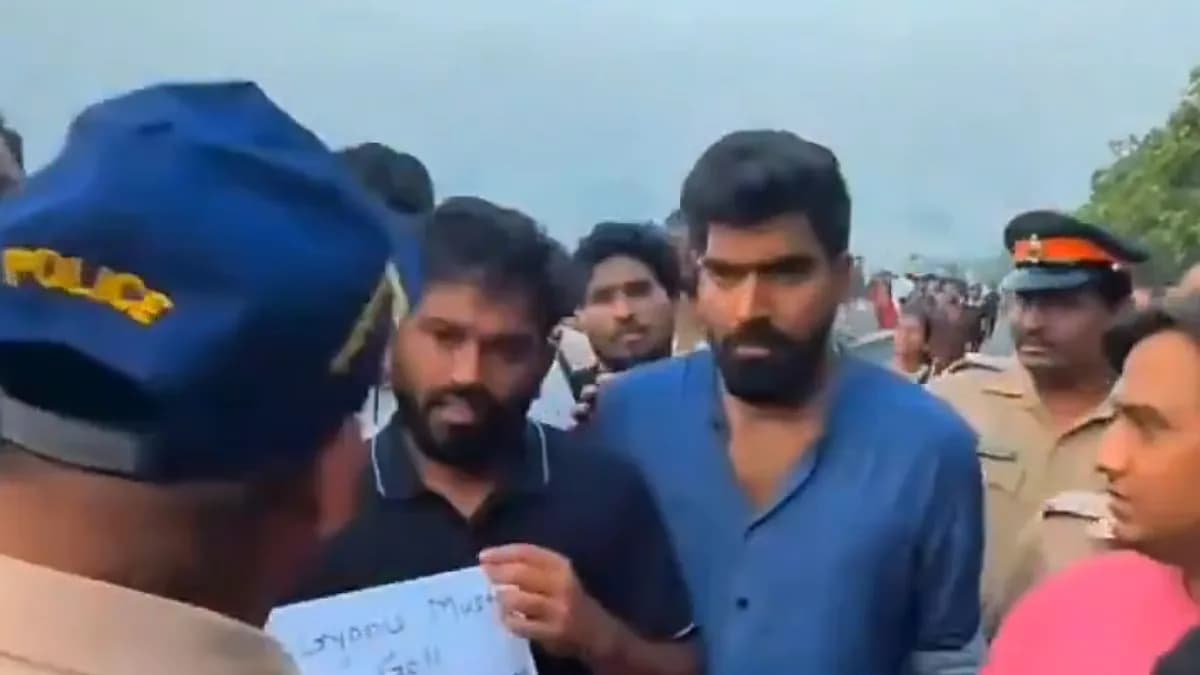
The incident unfolded at the start of the monsoon session when a group of BRS lawmakers, clad in black T‑shirts and chanting anti‑Congress slogans, were stopped at the Assembly’s entry point. The party claims that police officers then pushed and grabbed the women members, a claim that quickly became the centerpiece of their petition.
The bench raised several procedural questions. It noted that a communication from the Legislature Secretary, cited by the state as authorising police intervention, was missing from the government’s counter‑affidavit. Also, the FIR was lodged at 4 p.m., well after the said communication was issued at 3:30 p.m. The court also pointed out that the prohibitory orders cited by the police pertained to public gatherings around the Assembly, not to legislators themselves entering the building.
The judges said they had seen no evidence that the women lawmakers had behaved disorderly or flouted any direction from the Speaker. In the absence of such material, the court found the police response to the allegations insufficient.
The BRS had suggested that its members could have simply changed their black shirts before stepping inside, a line of reasoning the court dismissed for lack of proof. The judges stressed that any assumption about the legislators’ attire must be backed by concrete evidence.
The order now places the onus on the police to identify the individuals involved and submit their details for further scrutiny. It also signals that the judiciary is willing to scrutinise police actions when they intersect with the legislative process, especially when women representatives claim to have been victimised.
What happens next? The DGP has a limited window to comply, after which the Speaker may decide on disciplinary measures. Meanwhile, the BRS is likely to push for swift action, framing the episode as part of a broader narrative of political intimidation.
The episode adds another chapter to the ongoing tussle between Telangana’s law‑enforcement agencies and the state’s ruling party, a dynamic that has been playing out since the monsoon session began. As the court’s deadline approaches, all eyes will be on whether the police can produce the requested list and how the Speaker will respond.
For now, the High Court’s directive is a clear reminder that the conduct of law‑enforcement officials, especially towards elected women representatives, will be subject to judicial oversight.

Be the first to comment
Join the argument. No password, just your email or a passkey.