How a $100K horror movie became a $248M legend—and why today’s blockbusters might be missing the point.
The Blair Witch Project made $248.6 million worldwide — on a production budget that, by most accounts, never topped $100,000. That number still feels like a myth, even now. The film’s journey began not in a studio lot but in the margins: Eduardo Sanchez, working as a bartender. Daniel Myrick, driving a blueprint truck.
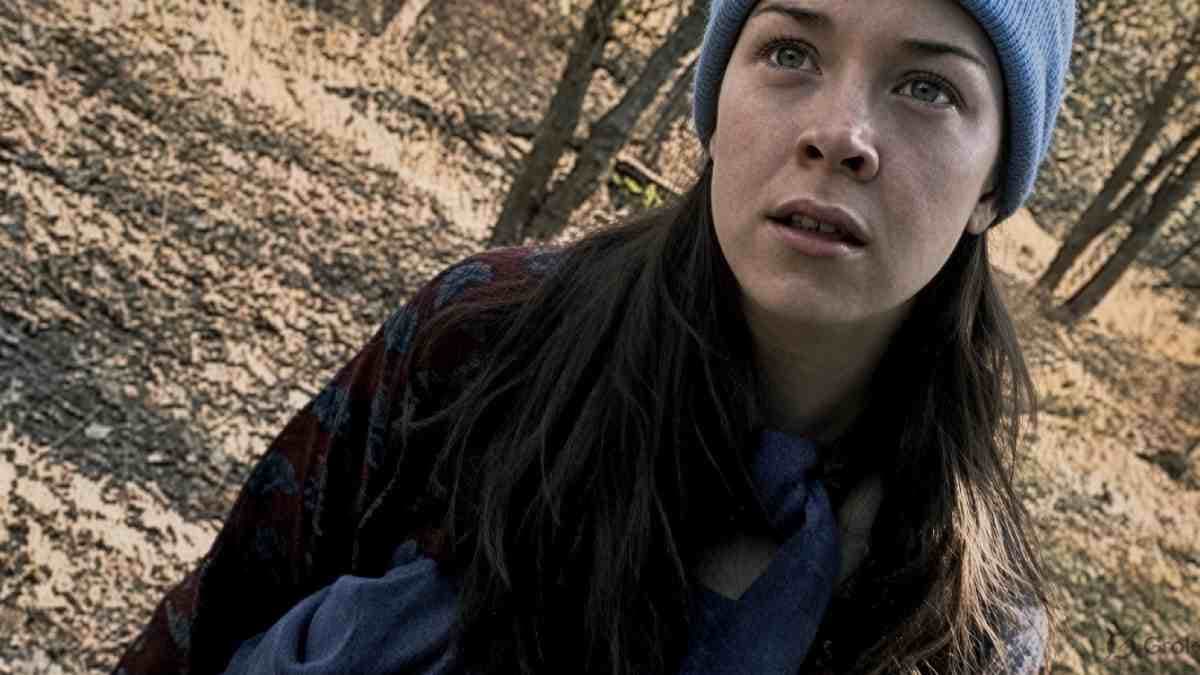
They dusted off an old idea for a woods-based horror film, one with no script, no stars, and no safety net. What emerged was a 35-page outline with no dialogue, just loose directions and improvisation. The actors weren’t just performers, they were camera operators, moving through forests guided only by GPS signals and milk crates marked with flags.
They carried their own gear, filmed their own scenes, and lived on increasingly meagre rations. Sanchez recalled how food was slowly rationed over time, “so they were hungry.” When tensions rose, the crew had a safe word to break character: “taco.” It wasn’t just a gag, it was a lifeline.
The shoot itself was a logistical gamble, built on instinct and desperation. Post-production pushed costs up to between $200,000 and $750,000 before Sundance. Then came marketing, which ballooned the total to nearly $8 million. But the real magic happened before the cameras rolled.
The filmmakers created a fake website, complete with message boards and fabricated news reports. At the Sundance premiere, attendees were handed fliers declaring Heather, Michael, and Joshua missing. The directors even placed physical missing-person flyers in Frederick County, telling anyone who spotted the cast to call the sheriff. The Daily Collegian later described it as perhaps the first viral campaign in film history.
Artisan Entertainment bought the rights for $1.1 million after a midnight screening. The film opened theatrically on July 14, 1999. Word of mouth, fueled by Sundance buzz and the sheer unease of its realism, turned it into a cultural event. Critics called it a hoax.
Audiences called it terrifying. The backlash followed fast: accusations of borrowing from Cannibal Holocaust, claims from the makers of The Last Broadcast that their 1998 film was strikingly similar. A rushed sequel, Book of Shadows: Blair Witch 2 (2000), was panned. The 2016 reboot did only slightly better.
Yet none of them matched the original’s impact. As Sanchez reflected later, they were “just going on instinct,” limited by budget, resources, and knowledge. Maybe that lack of polish was the point. With so little to fall back on, authenticity became unavoidable.
Today, in 2026, as studios spend millions on AI-generated trailers and pre-emptive social media storms, the story of The Blair Witch Project remains a quiet anomaly, a reminder that sometimes, the most powerful thing in cinema isn’t spectacle. It’s the silence between the frames. And the hunger in the frame itself.
Be the first to comment
Join the argument. No password, just your email or a passkey.