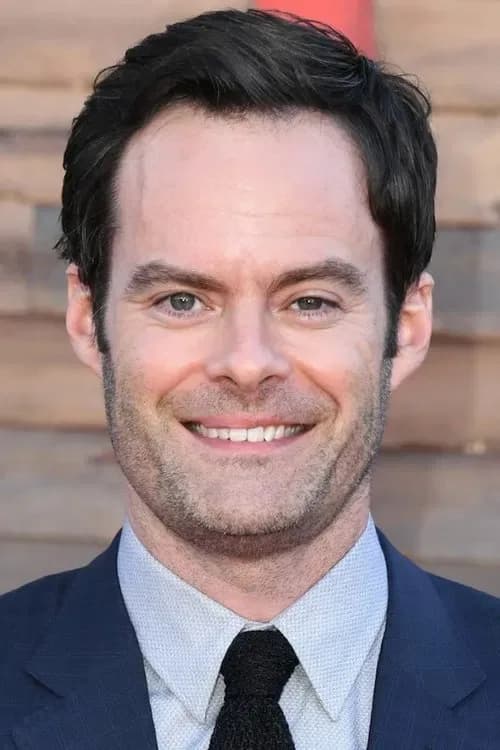
Bill Hader voices the Cat in the Hat in a new animated film that’s less a Dr. Seuss story than a merchandising blueprint — and it shows.
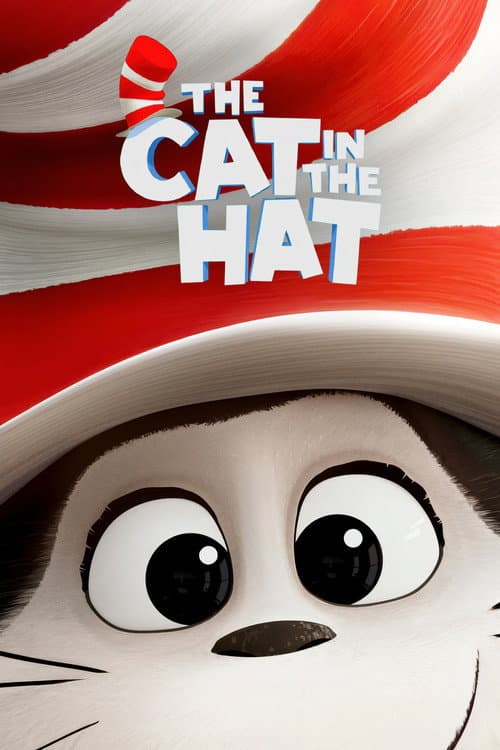
The Cat in the Hat isn’t just a movie. It’s a corporate fever dream dressed up as a children’s film. And Bill Hader? He’s the friendly face of it all — which is exactly the problem.
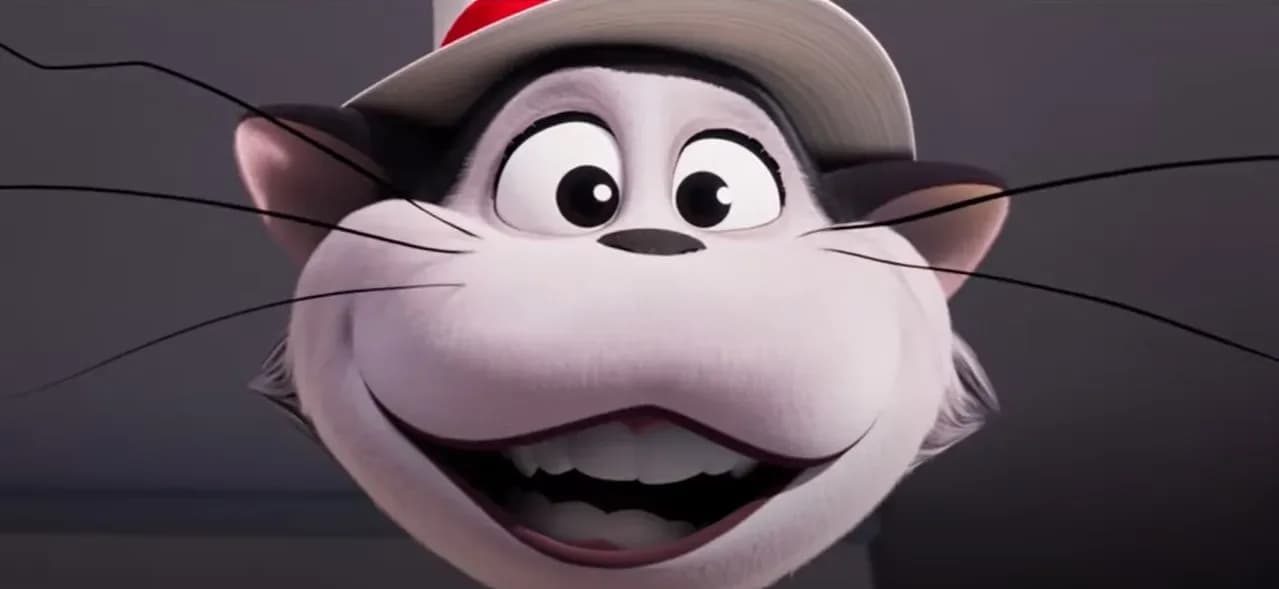
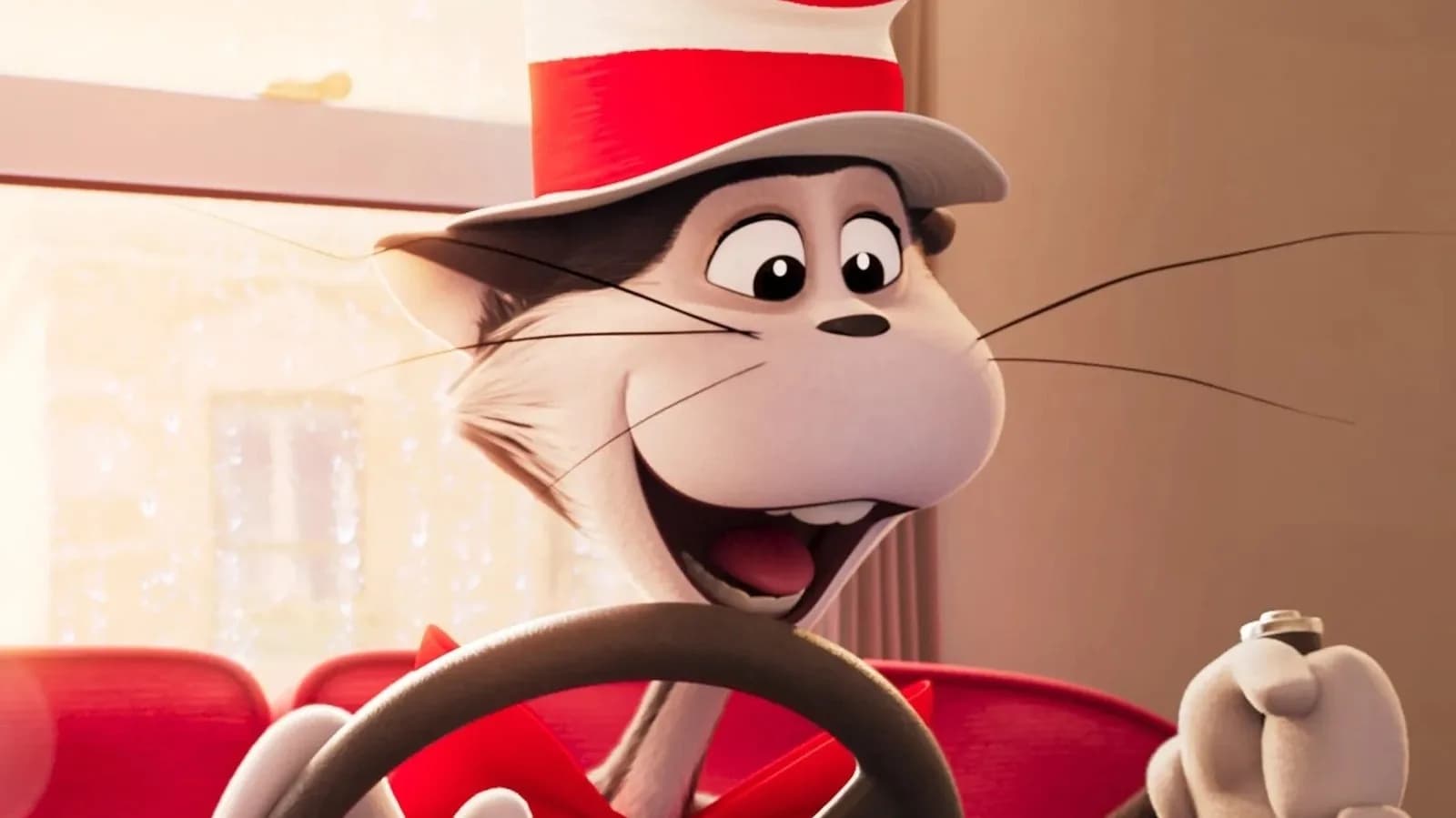
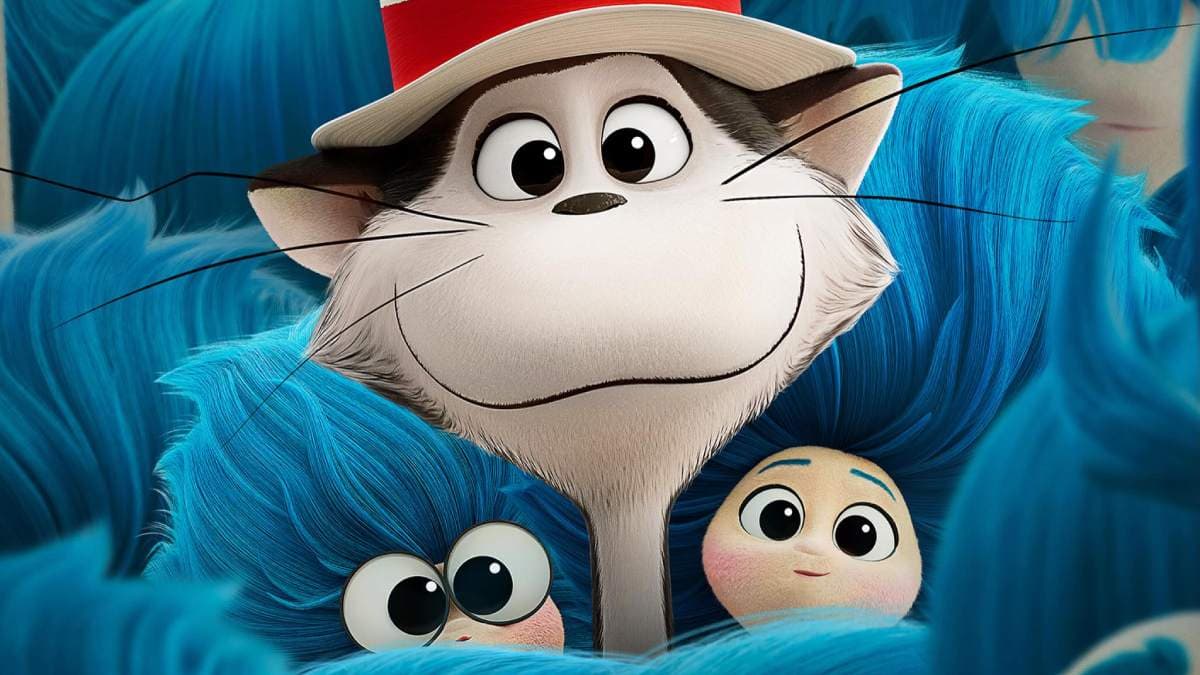
The new animated adaptation, streaming on Netflix from November 10, 2026, doesn’t so much reimagine Dr. Seuss as repackage him for a merchandising era that has no interest in whimsy, only spectacle. The Cat himself, voiced by Hader, who also executive produced, is less a mischievous trickster than a certified brand ambassador.
Effortlessly polite, unthreatening, and oddly corporate, he’s the kind of guy who’d make you feel guilty for not liking him. That’s not the Cat in the Hat. That’s the Cat in the Brand Hat. So what happens when you take a character built on anarchic joy and turn him into a wellness coach with a magic hat?
You get a film that feels like a Pixar movie if Pixar had been handed a spreadsheet by Marvel. The story pivots on Gabby (Xochitl Gomez), a trumpet-playing teen adjusting to a new city, her little brother Sebastian (Tiago Martinez), and their mom Carmen (America Ferrera). When the Cat shows up, he’s not here to cause chaos, he’s here to fix loneliness.
Which sounds noble until you realise the solution involves three sealed boxes that open into alternate dimensions, a sentient goldfish named Waffles (Matt Berry) who judges everything, and a giant glowing demon monster that appears out of nowhere. There’s a circus. A sea of swimming underwear. A whale with a rainbow unicorn horn.
And yes, Thing One and Thing Three, now reduced to clapping and tongue-clicking like they’re auditioning for a percussion ensemble. They don’t speak. But they do have a franchise. The film even jokes about it.
Right there on screen. As if to say: Yes, we know this is a toy line in disguise. The real villain isn’t the Cat. It’s the mess-o-meter, a scorecard tracking how much havoc he causes. In the original books, the Cat’s mischief was never about destruction.
It was about possibility. Here, it’s about compliance. The Cat works for a soulless company that assigns him clients. His job?
Boost morale. He’s a happiness drone. The Go-Backer, a layered stopwatch that rewinds time, becomes the emotional crutch for Gabby’s homesickness. But instead of healing, it just fuels more trips through increasingly absurd worlds.
This isn’t a story about imagination. It’s a story about monetising it. Variety called it “junior Marvel surrealism.” That’s generous. It’s more like a video game that doesn’t exist yet, designed to sell plushies, hats, and themed playsets.
The Cat in the Hat used to be a spark. Now he’s a product. And the kids? They’ll probably love the flashing lights.
But the adults? They’ll remember the book. And wonder why it took so long to lose its soul.



Be the first to comment
Join the argument. No password, just your email or a passkey.