

Peacock’s The Day of the Jackal drops today — and it’s already being called one of the most assured remakes in streaming history. The two-part series, a reimagining of Fred Zinneman’s 1973 Cold War thriller, lands with a quiet but devastating precision. No flashy trailers, no star-studded premiere. Just Eddie Redmayne as the Jackal, cold-eyed and calculating, moving through Europe like a ghost with a checklist. And then there’s Lashana Lynch as MI6 agent Bianca Pullman, not chasing him, exactly. She’s trying to catch up to what he’s already done, before it’s too late. The show doesn’t just update the story for 2026. It weaponizes its modernity. Conspiracy theories aren’t just background noise now. They’re the air the characters breathe. The Jackal isn’t just an assassin. He’s a product of systems that don’t care who survives. His real name? Charles. His wife calls him that. But when he’s on the job, he’s the Jackal, a man split into pieces so clean, even his own mind can’t hold them together. Redmayne delivers a performance that’s less acting than embodiment. He’s not playing a villain. He’s playing someone who believes in order more than morality. There’s no rage in him. Only focus. And that makes him scarier. The series leans into that stillness. The way he maps targets, leaves no trace, moves through cities like a shadow with a schedule. It’s not about violence. It’s about control. Bianca Pullman is the counterweight. She’s not above the law, she’s just tired of pretending it matters. Her methods are unorthodox, her loyalty fractured. She works outside chains, because the system she serves is built to protect itself, not truth. The show doesn’t make her a hero. It makes her human. And that’s what makes her dangerous. There’s a moment early on where she stares at a file labeled “Project Aegis.” The camera lingers. No explanation. No music. Just silence. That’s the tone here: everything is connected, but nothing is clear. Charles Dance plays Timothy Winthrop, a financier whose influence stretches across borders, governments, and black budgets. He’s not on screen much, but you feel him everywhere. Power isn’t loud. It’s in the gaps. The series is structured like a chess game with only one move left. Each episode ends on a beat that doesn’t resolve. A phone call, a door closing, a name whispered. It’s not designed to be bingeable. It’s designed to haunt. And yes, it’s a remake. But this isn’t nostalgia dressed up as innovation. This is a story about how power hides in plain sight, and how the people who see it are often the ones who get erased. Peacock may not have the budget of Netflix or Disney+, but this feels like a statement. The streamer has finally found its voice. Not in spectacle. In silence. In the spaces between words. Now, the question isn’t whether it’ll succeed. It already has. The real test? Whether audiences will stay long enough to see what happens when the Jackal stops running. And starts remembering who he was.
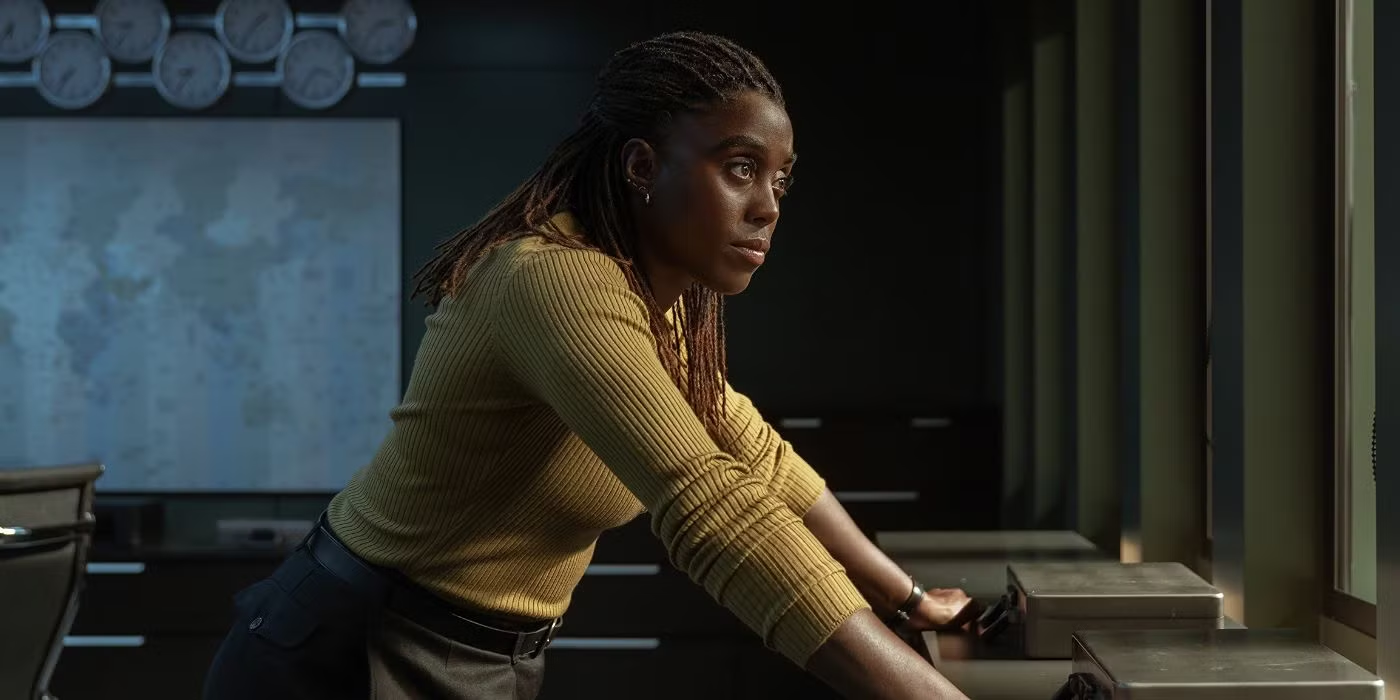 Photo via Collider
The Jackal Isn’t Running Anymore. He’s Remembering.
Eddie Redmayne’s chilling take on the Jackal turns Peacock’s remake into a masterclass in modern espionage — and a quiet warning about who really pulls the strings.
In this story
Live site hype
around 3 reading right now · 436 today
Reported from
This article was written by the CutMirchi desk from the reporting above. Facts are attributed to their original publishers.
Read next
The Day of the Jackal Season 2 Delayed to 2027
The Day of the Jackal is coming back — but not in 2026. Peacock has confirmed that Season 2 will premiere in 2027, pushing the high-stakes spy thriller’s return nearly a full year later than expected.
The Amateur Returns on HBO Max
The Amateur is back — and this time, it’s not just surviving, it’s thriving. HBO Max has locked in a fresh streaming run for the 2025 spy thriller, starting October 17, after its initial stint on Hulu.
Dracula’s Sea Journey Returns
The Last Voyage of the Demeter is now streaming on Peacock, a 2023 horror film that reimagines Dracula’s journey from Varna to England through a lens of pure terror. Inspired by Alien, the film features Javier Botet as a monstrous, non-seductive Count, and arrives on Peacock ahead of Halloween 2026 without fanfare.
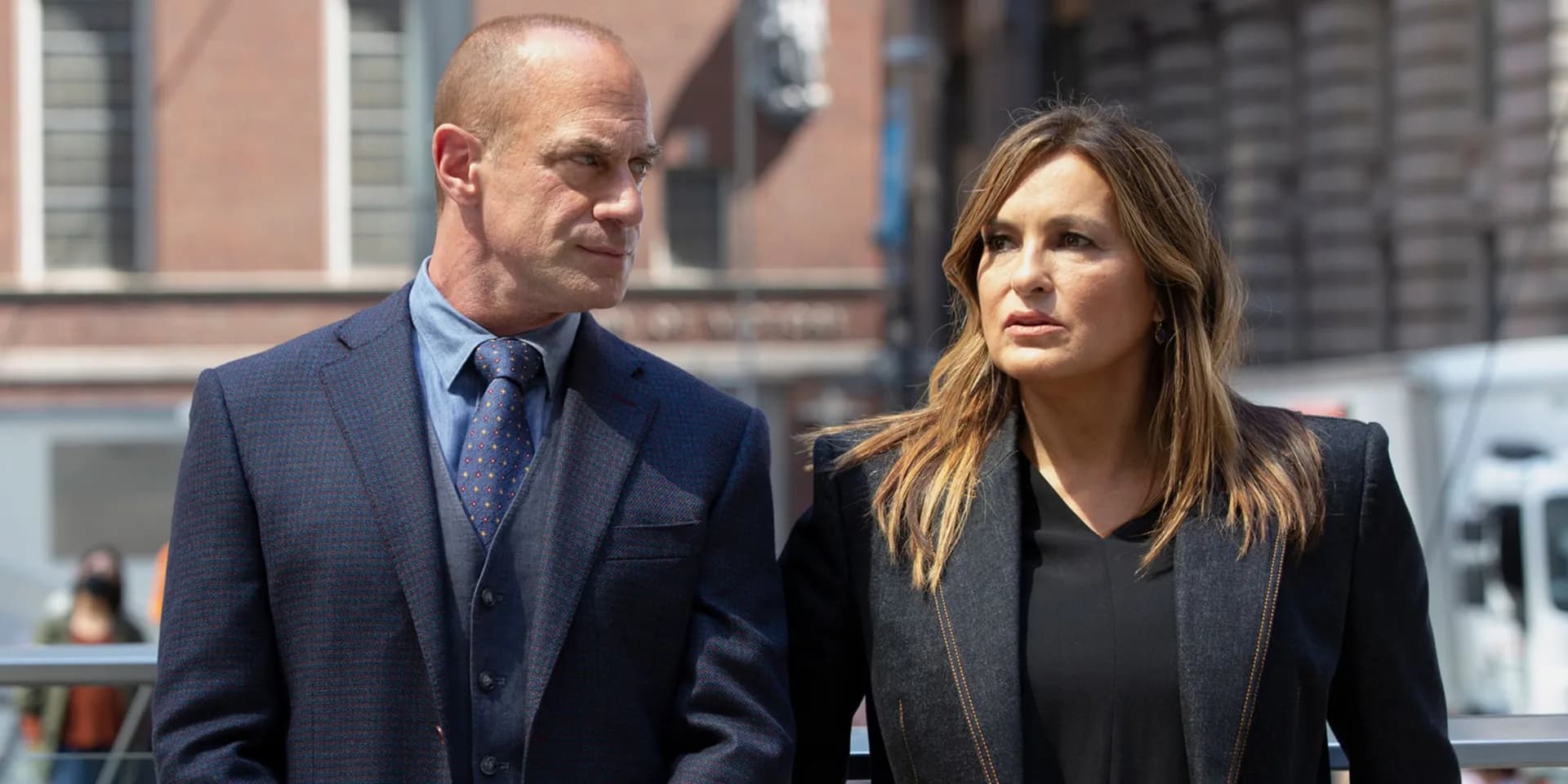
Law & Order: Organized Crime Ends After Five Seasons On Peacock
Law & Order: Organized Crime, the Christopher Meloni-led spin-off that broke from the franchise's usual one-episode format, has ended after five seasons and a move to Peacock, according to Collider.
Be the first to comment
Join the argument. No password, just your email or a passkey.