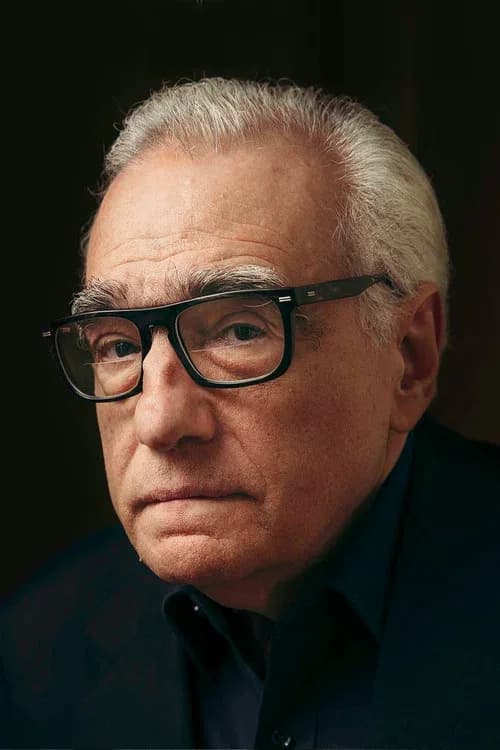
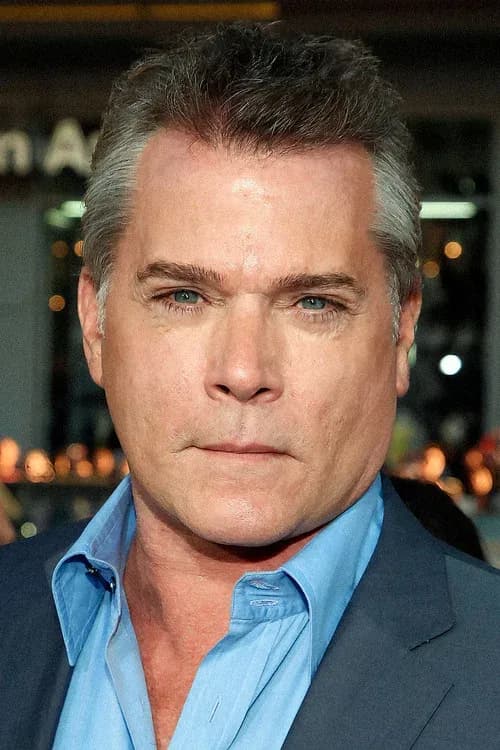
The opening line of Goodfellas — ‘As far back as I can remember, I always wanted to be a gangster’, isn’t just a quote. It’s a confession. A manifesto. A warning wrapped in a whisper that still echoes through cinema decades later. On Thursday morning, as the world recalibrated after another round of streaming drops and franchise reveals, Collider dropped a piece that didn’t break news so much as re-light a fuse: Martin Scorsese’s 1990 crime epic remains the genre’s most potent blueprint, not for how to live, but for how easily one can fall into a life built on blood and illusion. The article wasn’t about a new film. It was about a moment. 13 words, a highway, a trunk, and a man who never saw the trap he’d been born to walk into. And yet, here we are, still quoting it. Still feeling its weight. Still wondering if anyone’s really changed their mind about the dream. Not even the ones who’ve lived it. Henry Hill’s final lament, about egg noodles and ketchup. Isn’t just tragic. It’s the punchline to a joke only the guilty understand. He didn’t lose power. He lost the fantasy. That’s worse. The real horror isn’t the violence. It’s the quiet. The ordinary. The fact that no one ever told him he’d have to pay for it with his soul. So yes, Goodfellas is still relevant. Not because it’s timeless. Because it’s true. And somewhere, someone’s still listening. Wanting to be a gangster. Just like Henry. Ray Liotta delivers the line in a voice that’s instantly recognizable, calm, matter-of-fact, almost childlike in its sincerity. It lands before the camera even settles, before the audience knows what kind of story they’re about to witness. The scene unfolds in real time: Henry Hill, Jimmy Conway, and Tommy DeVito speeding down a dark road, tires screeching, headlights slicing through the night. Then, a sound from the trunk. They stop. Open it. A wounded man lies inside. Billy Batts, played by Frank Vincent. Tommy stabs him. Jimmy finishes the job with a gunshot. Henry closes the trunk. And then, in that same flat tone, he says it: ‘As far back as I can remember, I always wanted to be a gangster.’ The contrast is jarring. The violence is immediate. The narration is nostalgic. The music swells, Tony Bennett’s ‘Rags to Riches’. And suddenly, the past begins to unfold. We see Henry as a boy, drawn to the men he sees on the streets: powerful, respected, untouchable. They represent everything he wants, money, freedom, status. But the film doesn’t romanticize them. It shows the cost. The betrayals. The deaths. The slow erosion of identity. Henry rises, then falls. He becomes an associate of a Mafia family, lives the life, enjoys the perks. Until he’s forced to turn on everyone he’s ever known. He enters the witness protection program, stripped of everything. His final words aren’t regret. They’re frustration. He misses the luxury. The action. The thrill. He calls himself an ‘average nobody’. He complains about spaghetti made with egg noodles and ketchup. The film ends not with redemption, but with a man who still believes the dream was worth it, even as it destroys him. More than 35 years after its release, the opening scene and that single line remain one of the crime genre’s defining achievements. While other films may present the Mafia as grand or noble, Scorsese’s masterpiece captures something more unsettling: the ease with which ordinary people can become enamored with a world built on violence and exploitation. Henry Hill’s declaration isn’t just memorable dialogue. It’s the essence of one of the greatest crime movies ever made. And a warning that its protagonist never understands.
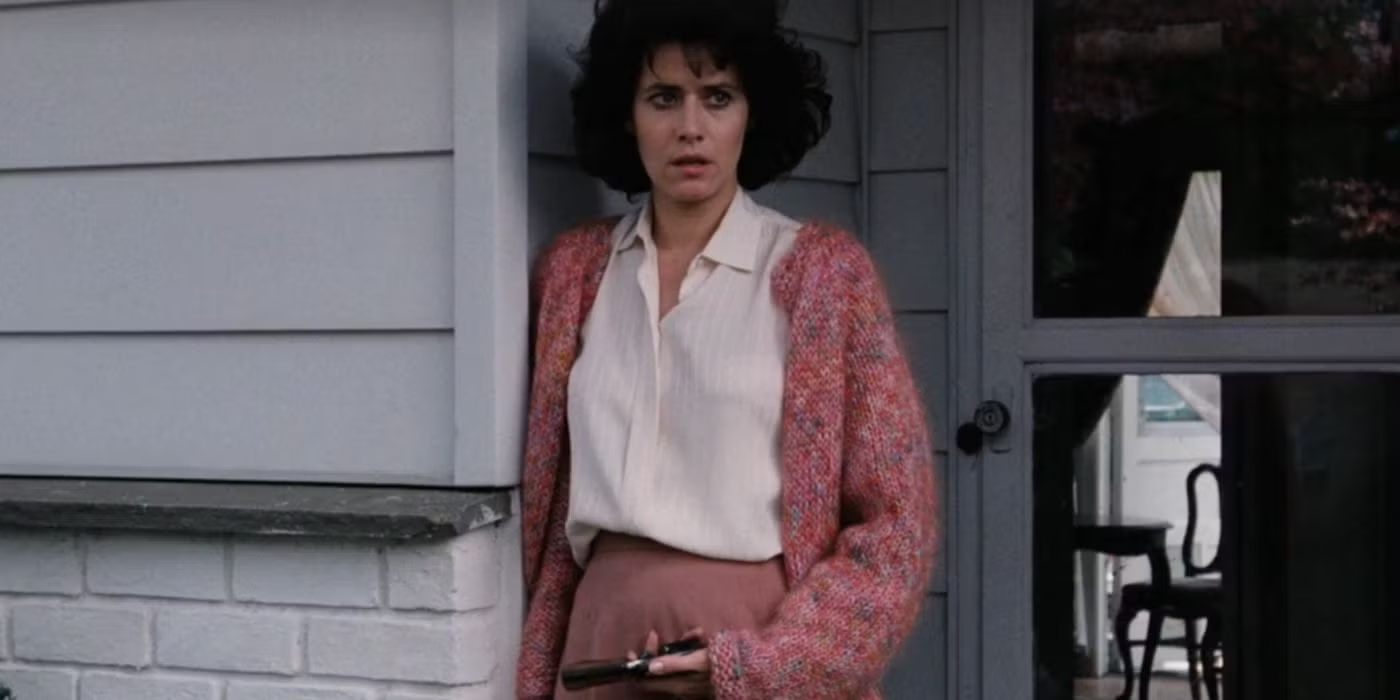 Photo via Collider
The Line That Still Haunts Us: Why Goodfellas’ Opening Quote Never Dies
The line that launched a thousand fantasies—and a million warnings—still holds up. Thirty-five years later, it’s not the violence that lingers. It’s the longing.
In this story
Reported from
This article was written by the CutMirchi desk from the reporting above. Facts are attributed to their original publishers.
Read next
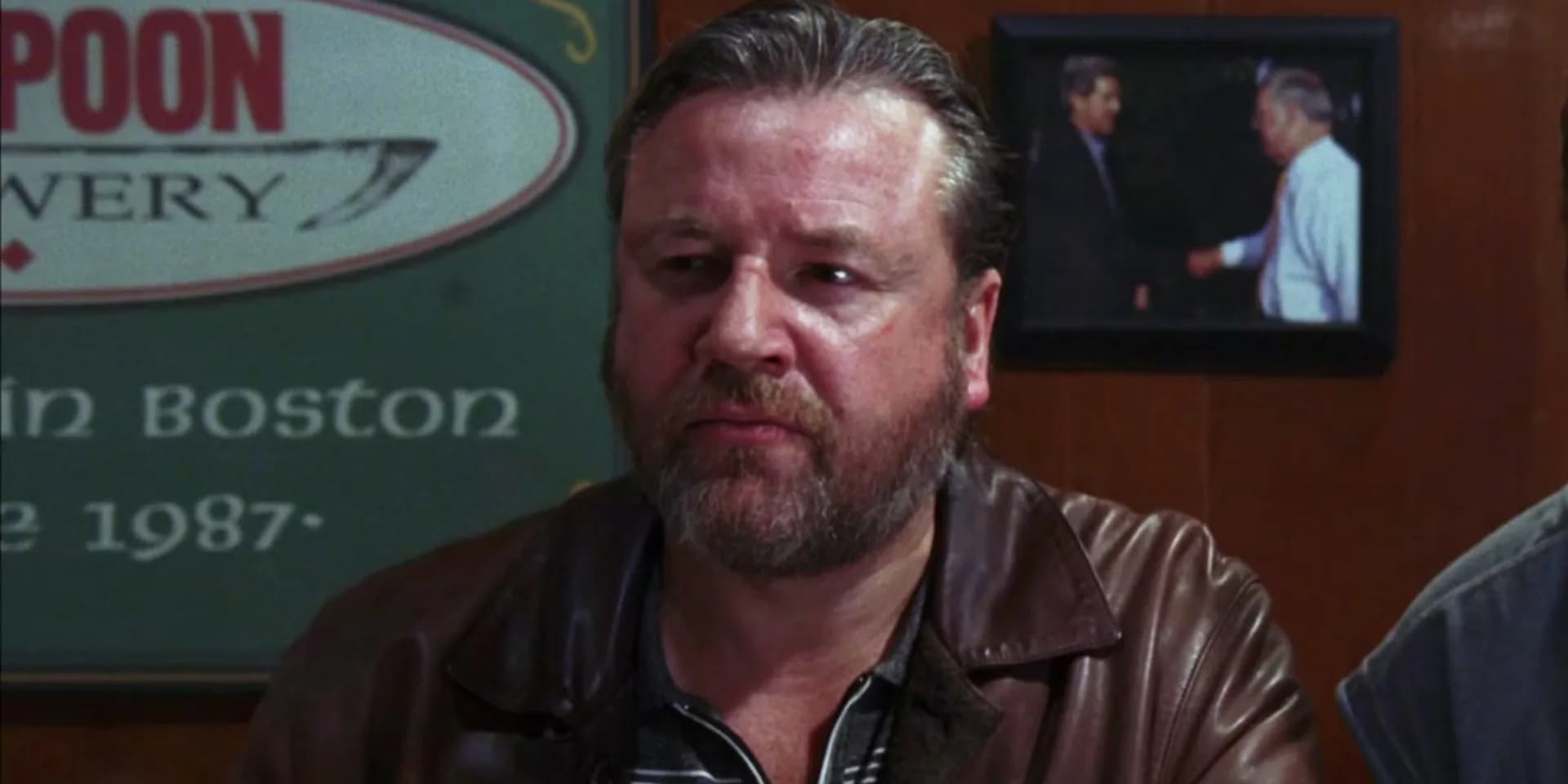
The Departed Surges on HBO Max Ahead of 20th Anniversary
Martin Scorsese's The Departed has surged in popularity on HBO Max, entering the platform's top 10 after two decades. The film's renewed attention coincides with its 20th anniversary, driven by strong performances from DiCaprio, Damon, Nicholson, and a narrative that remains gripping even upon repeat viewings.

3D Reboot: Cinépolis’ Rs 150 Festival Brings Back Cult Classics in 3D Across India
Cinépolis India and RealD announce a 3D Film Festival starting October 23, 2026, with screenings across 18 cities at Rs 150 per ticket. The lineup includes Spider-Man: No Way Home, Fast & Furious 7, Jurassic World, Mufasa: The Lion King, Lilo & Stitch, and Raaz 3.
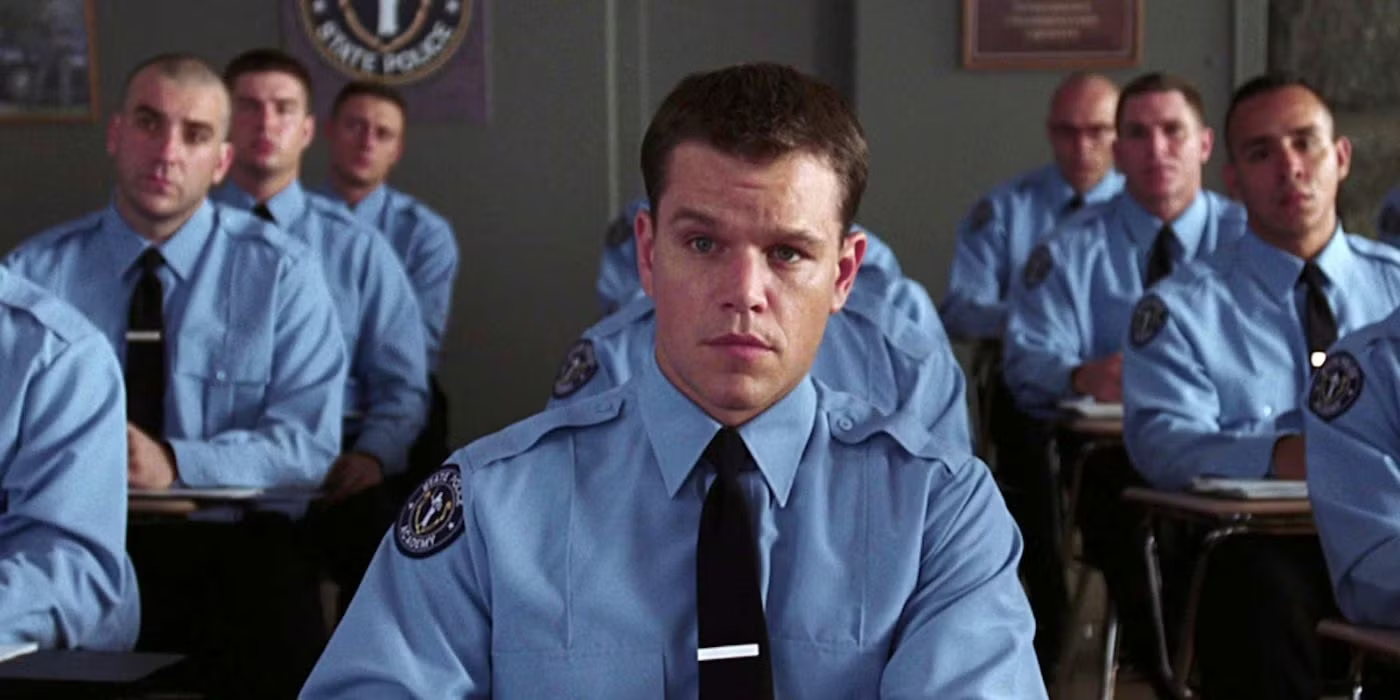
Matt Damon’s The Departed Is the Real Reason You’re Watching The Odyssey
As The Odyssey tops global charts, The Departed is being rediscovered — not for its plot, but for the performance that broke the mold.
Karen Pirie Returns With Bigger Cases, Bigger Bones
Karen Pirie is back — and this time, she’s digging into bones buried not just in a roof, but in history. BritBox has confirmed Season 3 of the Scottish crime thriller, based on Val McDermid’s The Skeleton Road, with a twist: six one-hour episodes instead of three long ones. That’s an extra 90 minutes of forensic dread, cold-case unraveling, and Lauren Lyle’s unflinching stare at Scotland’s dark-
Be the first to comment
Join the argument. No password, just your email or a passkey.