One-shot sequences are no longer a gimmick. They’re the future of storytelling — and it’s playing out on streaming screens, not movie theatres.
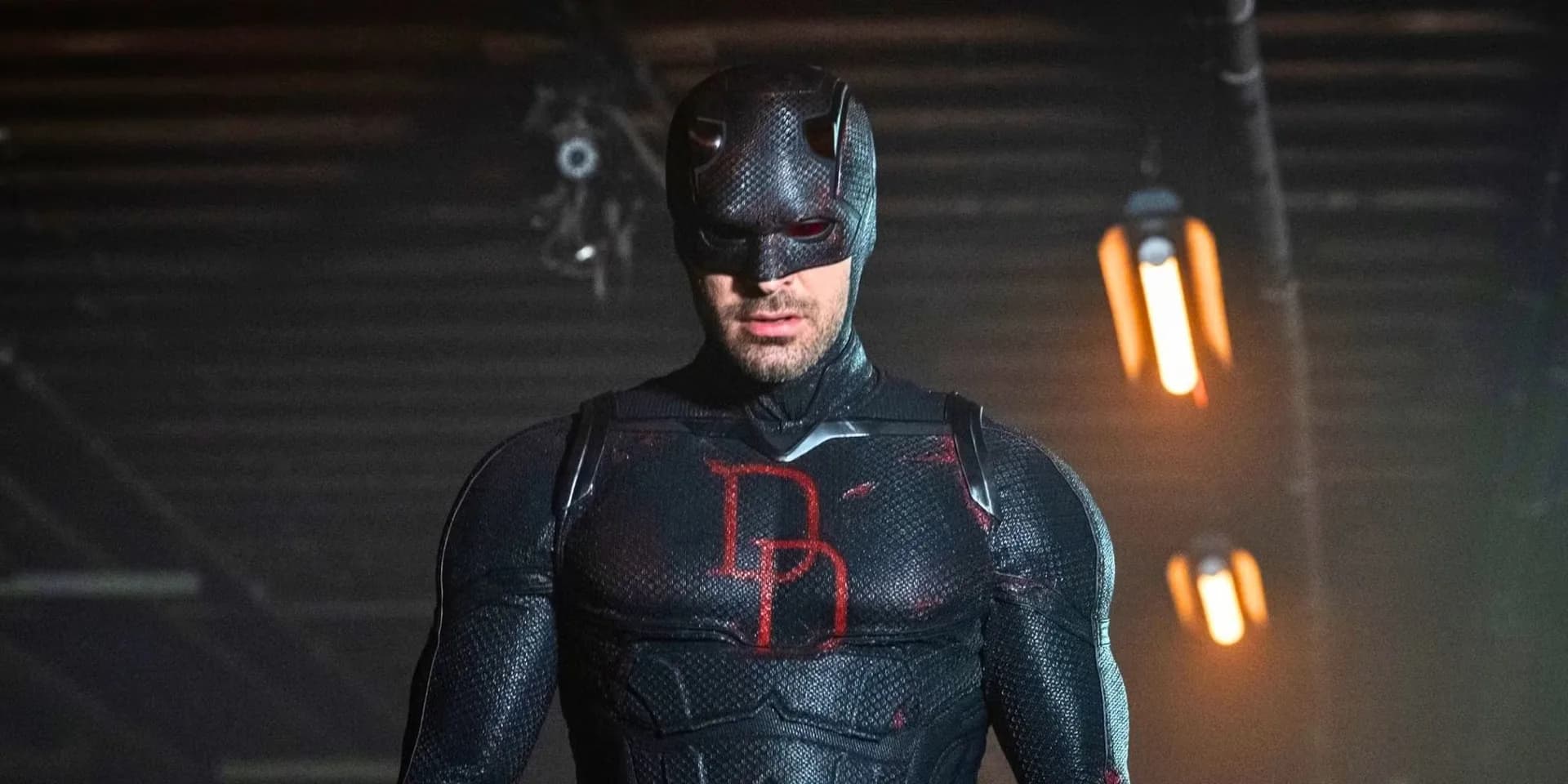
Daredevil: Born Again Season 2, Episode 3 delivered one of the most technically precise prison breaks in recent streaming history — a single, uninterrupted sequence that unfolded with the kind of relentless momentum usually reserved for film. The scene, set within the claustrophobic corridors of a high-security facility, followed Matt Murdock as he coordinated a rescue with the Swordsman against the Anti-Vigilante Task Force.
Every movement was choreographed to the beat of the moment, every breath captured in real time. No cuts. No edits. Just the weight of consequence, the friction of metal, and the unbroken gaze of the camera tracking their progress through narrow hallways and sudden ambushes.
It wasn’t just spectacle. It was storytelling stripped to its core, a demonstration of how television, not cinema, has become the true home of the one-shot technique. This isn’t an isolated moment. Netflix’s Adolescence, a limited series released in 2026, built its entire narrative architecture around four episodes, each structured as a single continuous shot.
Each episode follows Jamie Miller (Owen Cooper) through pivotal moments in his life, with character development, emotional shifts, and plot turns unfolding in real time. The audience doesn’t watch the story. They’re inside it. The camera doesn’t guide.
It witnesses. And the performances? They demand precision. Actors must sustain intensity across long stretches without the safety net of multiple takes or hidden cuts.
Collider noted that this format places immense responsibility on every member of the call sheet, from performers to stunt coordinators. Because there’s no room for error. Apple TV+’s The Studio leans into the same principle, using the one-shot to plunge viewers into the chaotic world of newly promoted studio head Matt Remick (Seth Rogen).
In one sequence, he navigates a minefield of creative egos, making Martin Scorsese cry, angering Ron Howard, and accidentally derailing a major production. All in a single, unbroken take. The technique forces empathy. You don’t just see his mistakes.
You feel them. The Severance Season 2 premiere also opened with a one-shot, following Mark S. (Adam Scott) through Lumon’s sterile, labyrinthine offices, carrying the weight of a cliffhanger that had been building since Season 1. And then there’s The Bear’s infamous Season 1 episode, the one where Carmy smacks a perfect donut out of Marcus’ hands, and Richie gets stabbed.
That moment still echoes. These aren’t just standout scenes. They’re turning points in how stories are told. The one-shot is no longer a cinematic flourish.
It’s becoming the default for immersive, emotionally charged television. And if the trend continues, the next big release might be a full season filmed in one continuous sequence. If it works, the industry won’t just adapt. It’ll have to relearn everything.


Be the first to comment
Join the argument. No password, just your email or a passkey.