The Shining is trending on HBO Max—not because it’s loved, but because it’s finally understood.
The Shining isn’t just back on HBO Max — it’s winning. The 1980 Kubrick classic, once dismissed by Stephen King as a ‘beautiful Cadillac with no motor’, has surged to the top of domestic streaming charts this week, overtaking even Evil Dead Burn. It’s not a revival. It’s a reckoning.
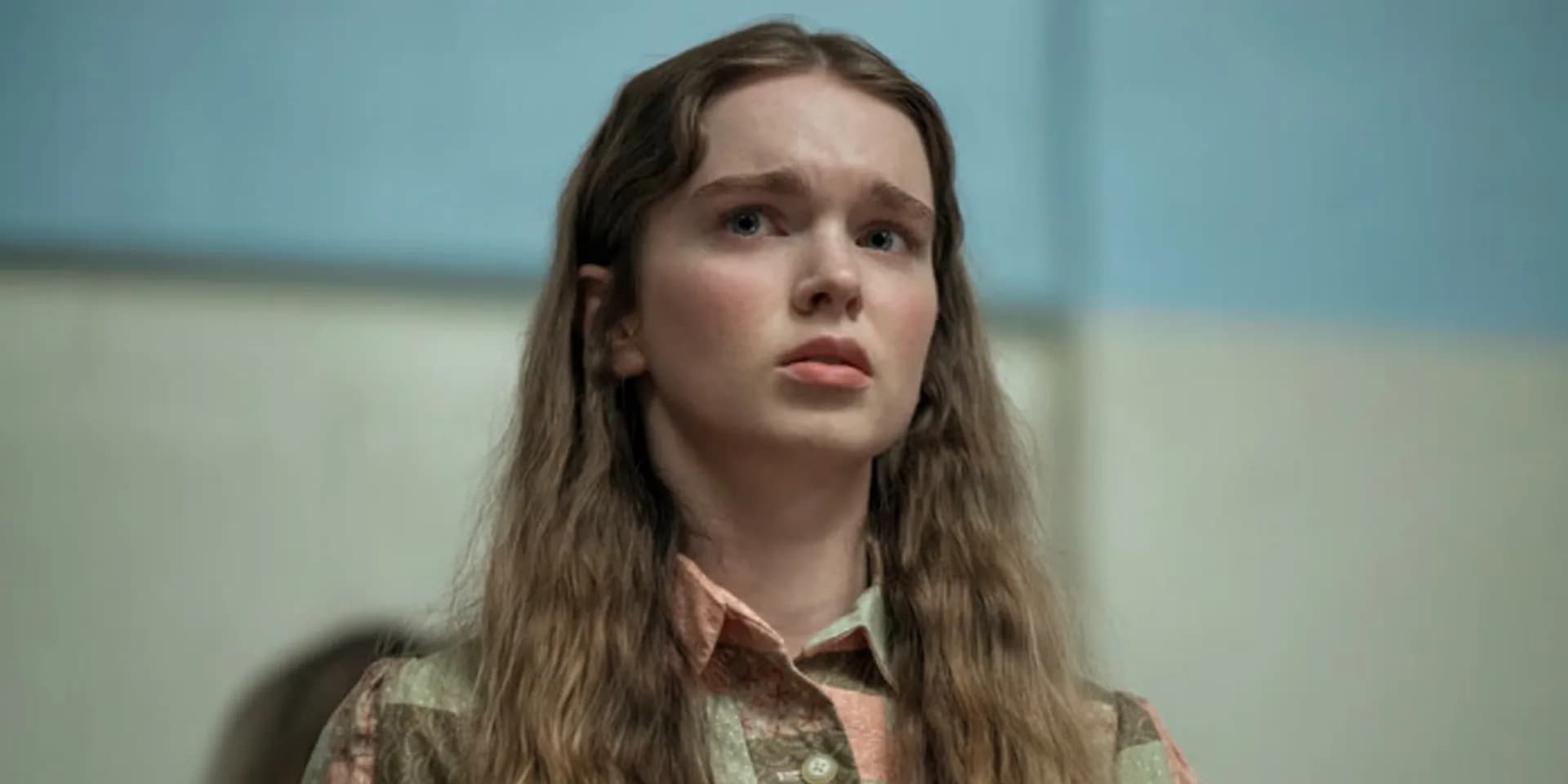
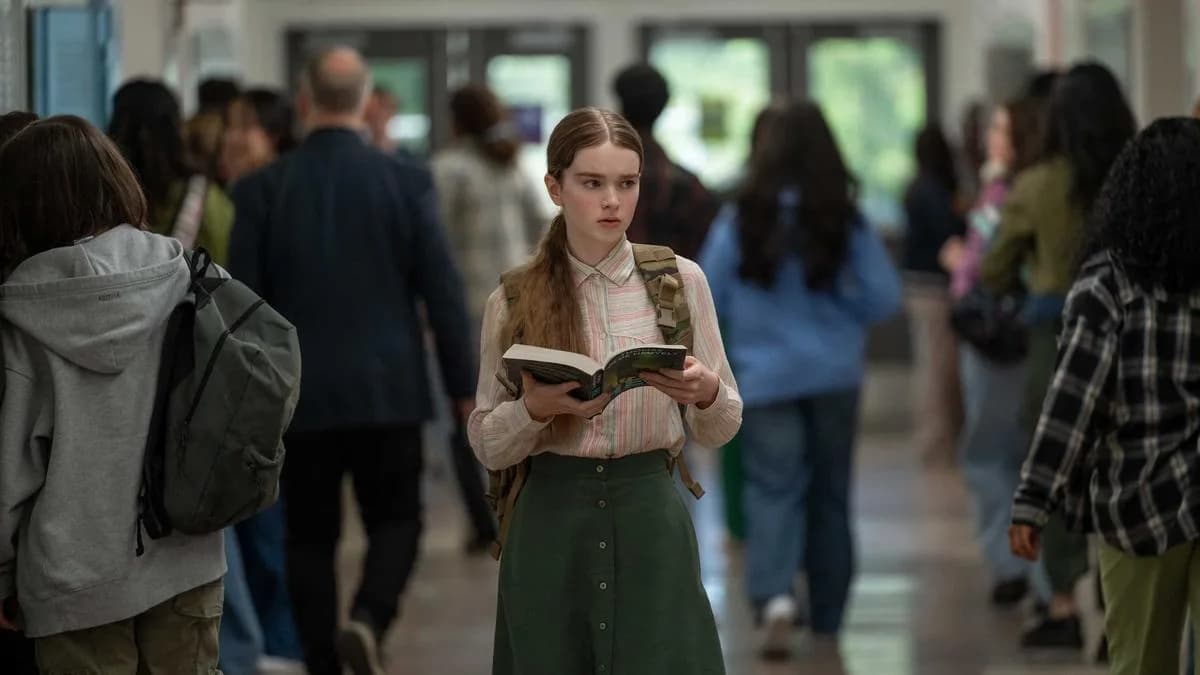
And it’s happening in the shadow of a new Carrie miniseries, King’s latest adaptation, now streaming on Prime Video. Where the author’s own legacy is being re-examined, one haunting frame at a time. Jack Nicholson’s grin still cuts through the snow, but this time, it’s not the performance that’s drawing eyes.
It’s the silence between the screams. FlixPatrol data shows the film ranked among the most-watched titles on HBO Max this past week, a quiet triumph for a movie King himself called 'maddening and perverse'. He wasn’t wrong. But he was also too late.
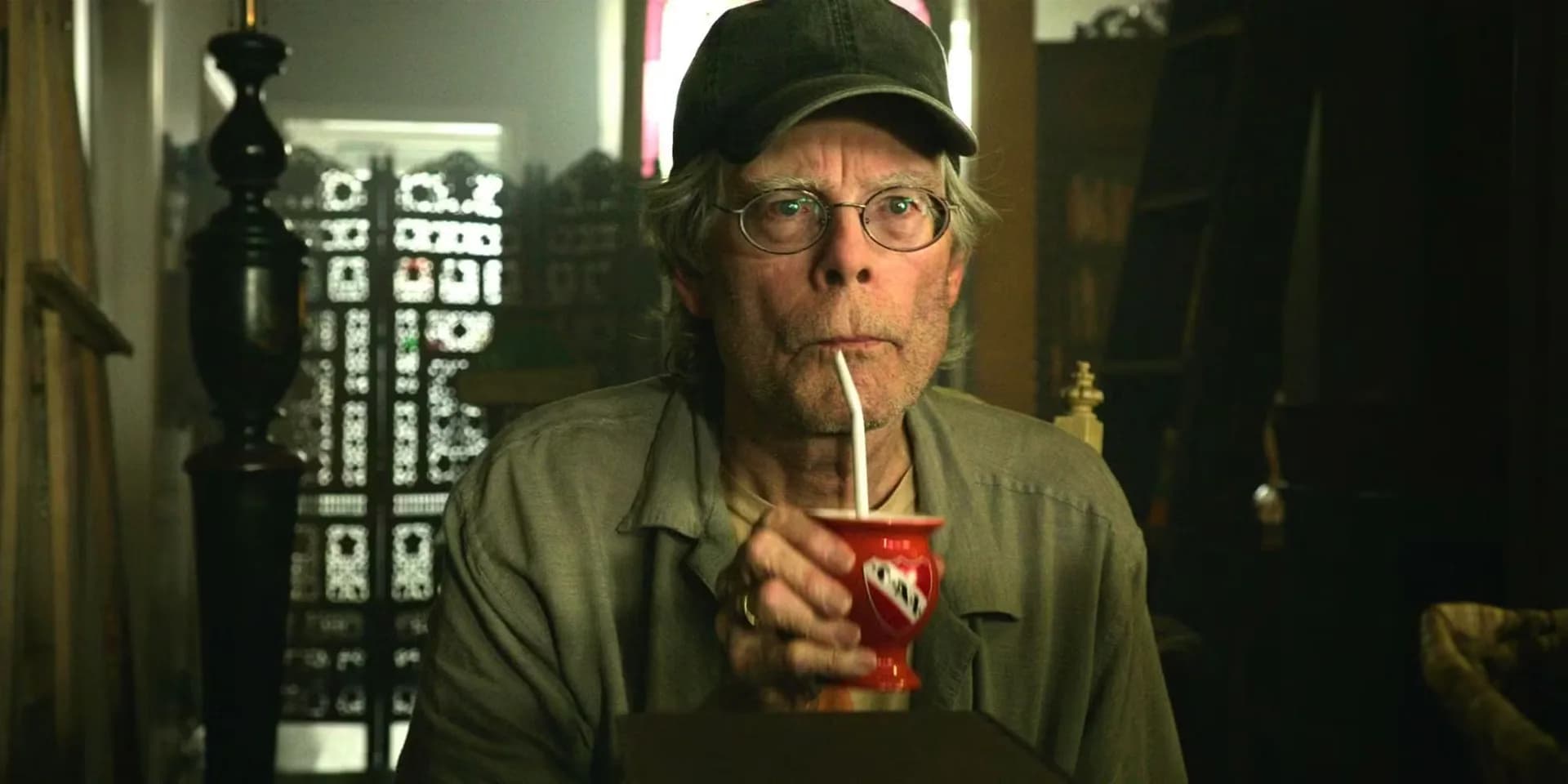
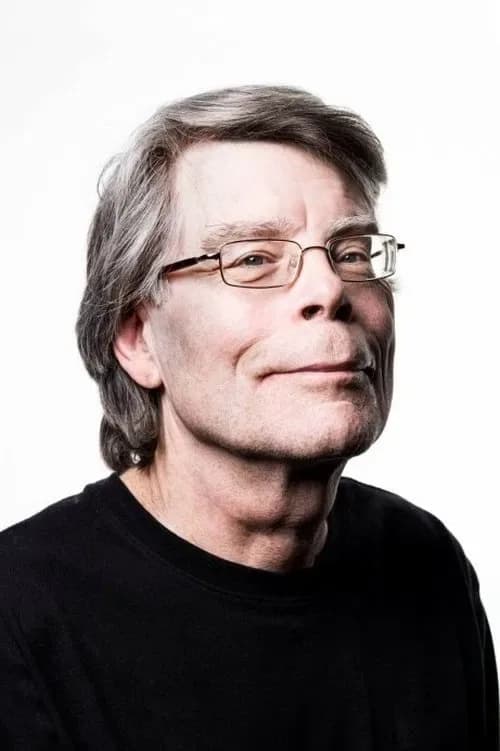
The irony? King’s own creative journey with The Shining began with disappointment. He didn’t like Kubrick’s version. So he wrote his own sequel, Doctor Sleep.
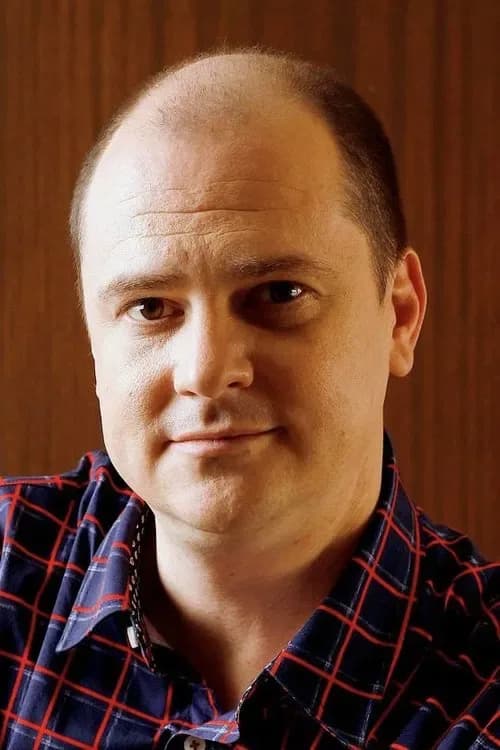
Which Mike Flanagan adapted into a film that critics adored but audiences barely noticed. That same director is now behind the new Carrie series, which launched on October 7. It’s part of a pattern: Flanagan turning King’s nightmares into TV gold, one slow-burn, emotionally charged episode at a time. Gerald’s Game.
The Life of Chuck. The Long Walk. All praised. All underperformed.
Except now, they’re all feeding into something bigger. And what’s bigger? Not box office numbers. Not awards.
But cultural return. The Shining isn’t just a horror film anymore. It’s a mood. A memory.
A shared anxiety about isolation, madness, and the house that never sleeps. King’s words, ‘your nightmare has your number’. Are no longer just metaphors. They’re the algorithm.
So here’s the real question: if the man who wrote the book can’t control how his stories are received, does it matter who’s holding the pen? Or is it enough that someone, somewhere, still feels the cold breath on their neck when the elevator doors open?
Be the first to comment
Join the argument. No password, just your email or a passkey.