



Skip to content
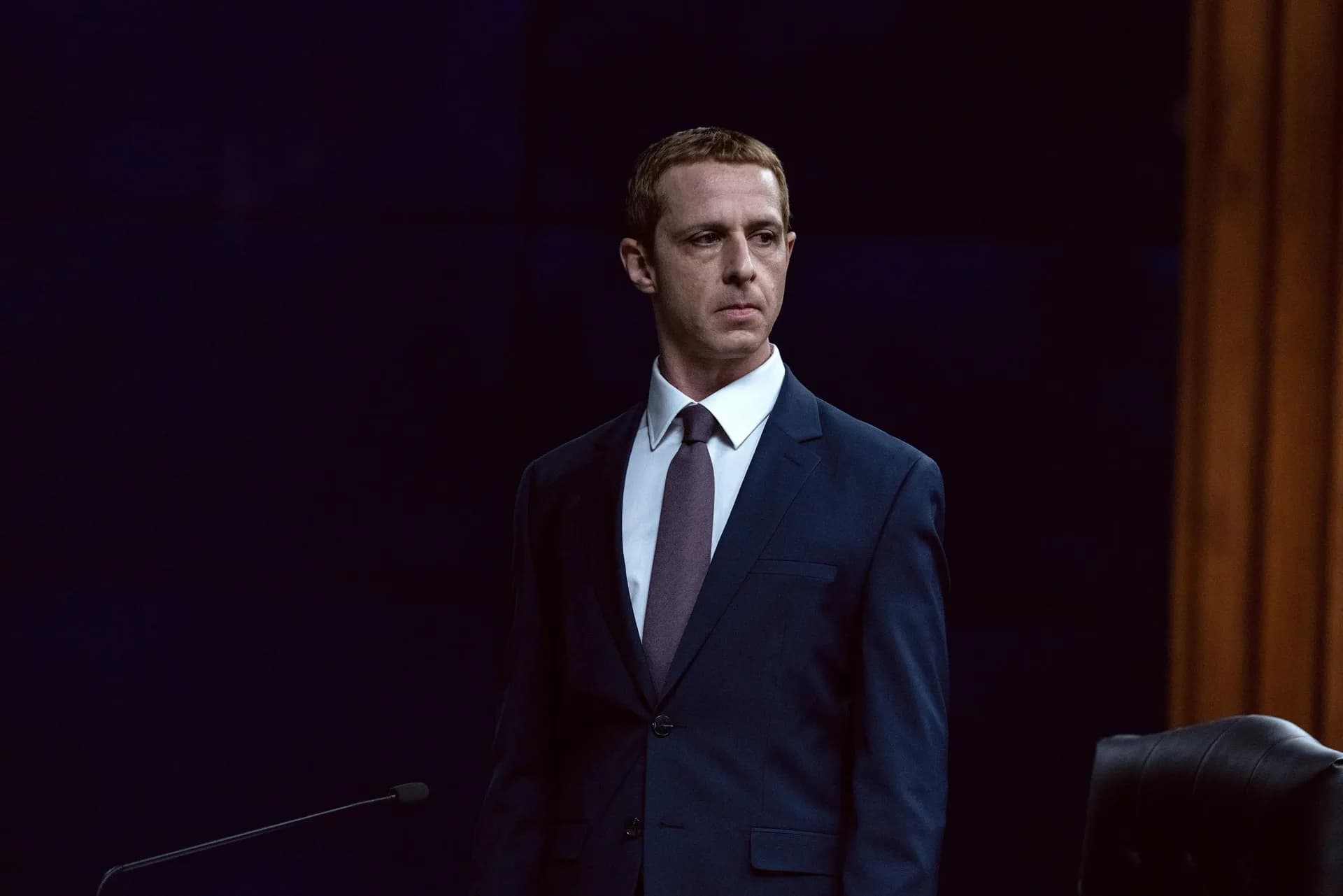
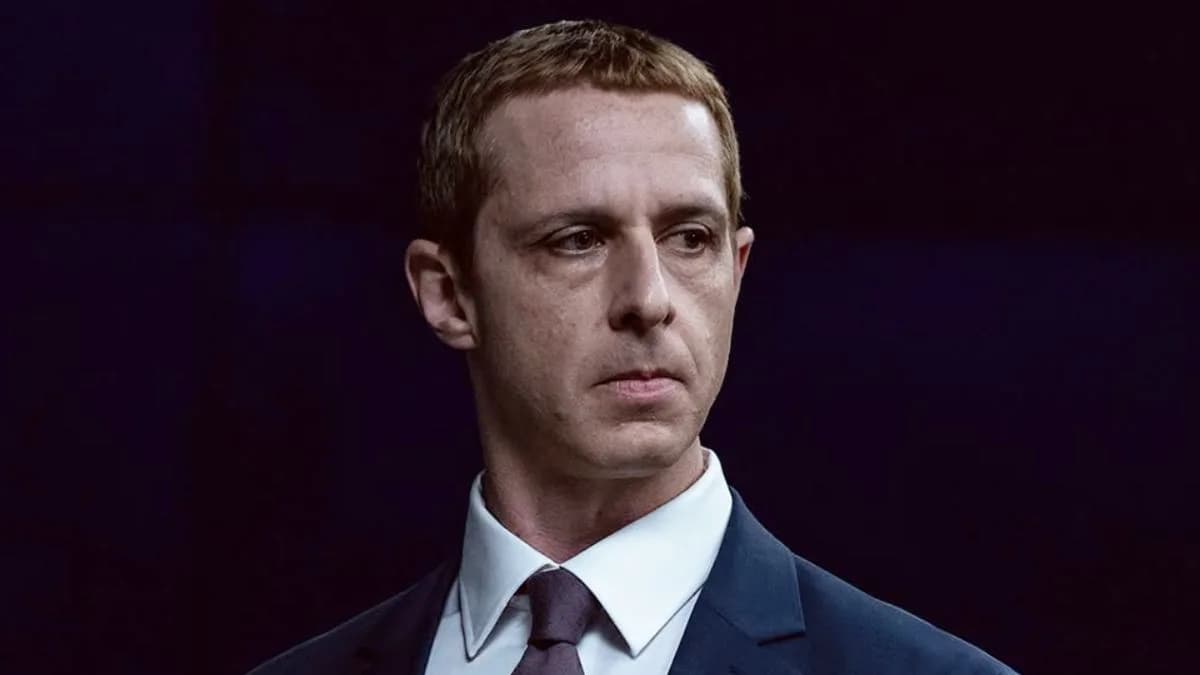
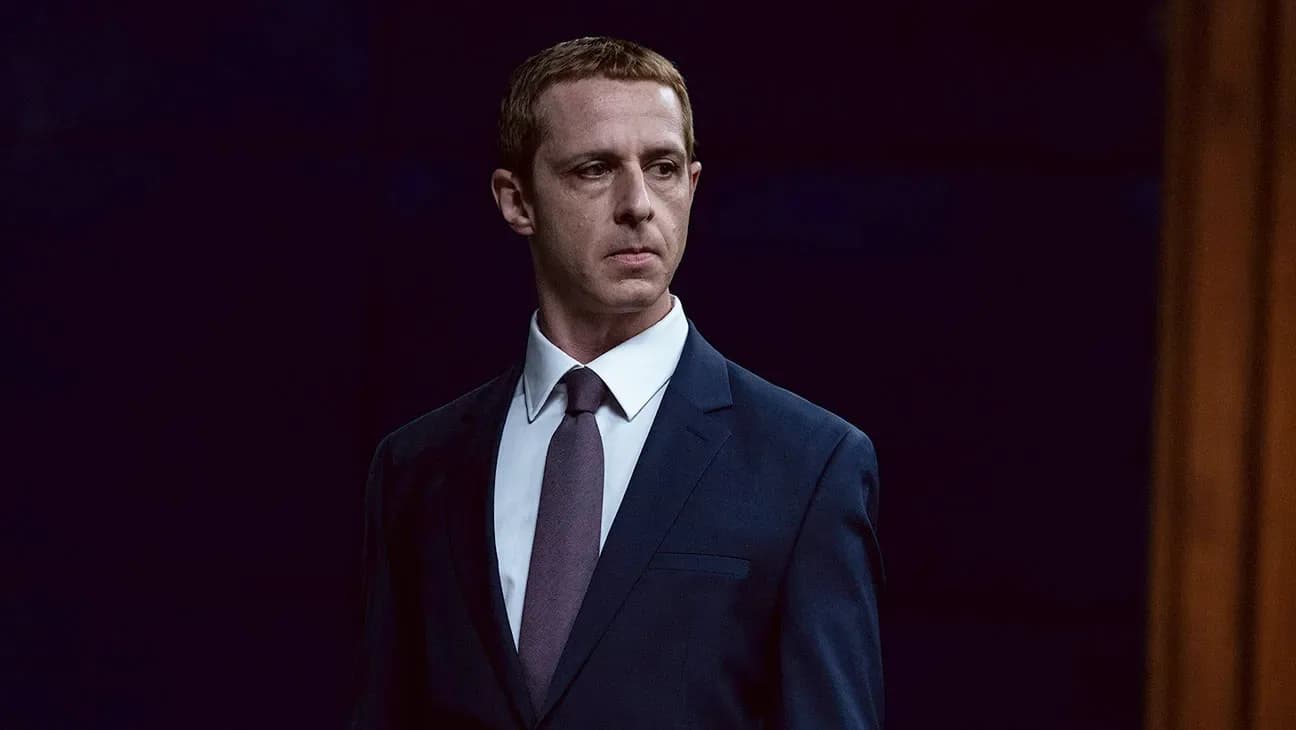
Mikey Madison as Frances Haugen in a tense courtroom scene, facing off against corporate executives in a dimly lit room.Photo via PINKVILLA

The Social Reckoning Ends With No Real Change for Facebook

Mikey Madison's portrayal of Frances Haugen in Aaron Sorkin's new film reveals a whistleblower’s fight against Meta — but the system remains unscathed.

By Second Season1 min read

In this story

Current hype level72

Live site hype

around 3 reading right now · 422 today

The Social Reckoning isn’t just another tech thriller. It’s a reckoning with the limits of public outrage. Aaron Sorkin’s latest, which follows Frances Haugen’s journey from idealistic employee to whistleblower, lands in theatres this week with a quiet fury. Mikey Madison plays Haugen with a precision that makes her moral collapse feel inevitable — not dramatic, but earned.

The film opens with faith. Haugen believes in connection. Then comes the first crack: a college friend spirals into extremist content after years of seemingly harmless scrolling. Her investigation uncovers what many already suspected, Facebook’s algorithms are engineered for engagement, not well-being. Internal studies show Instagram harms teen mental health. Misinformation spreads faster than truth. And leadership? Silent. Or worse. Dismissive.

She reaches out to reporter Jeff Horwitz, played with weary integrity by Jeremy Allen White. Their collaboration builds slowly, methodically. The evidence mounts. The stakes rise. But the film never leans into a Hollywood victory. There’s no congressional hearing that dismantles Meta. No CEO resigning in disgrace. Instead, the climax is a testimony, raw, personal, and isolated.

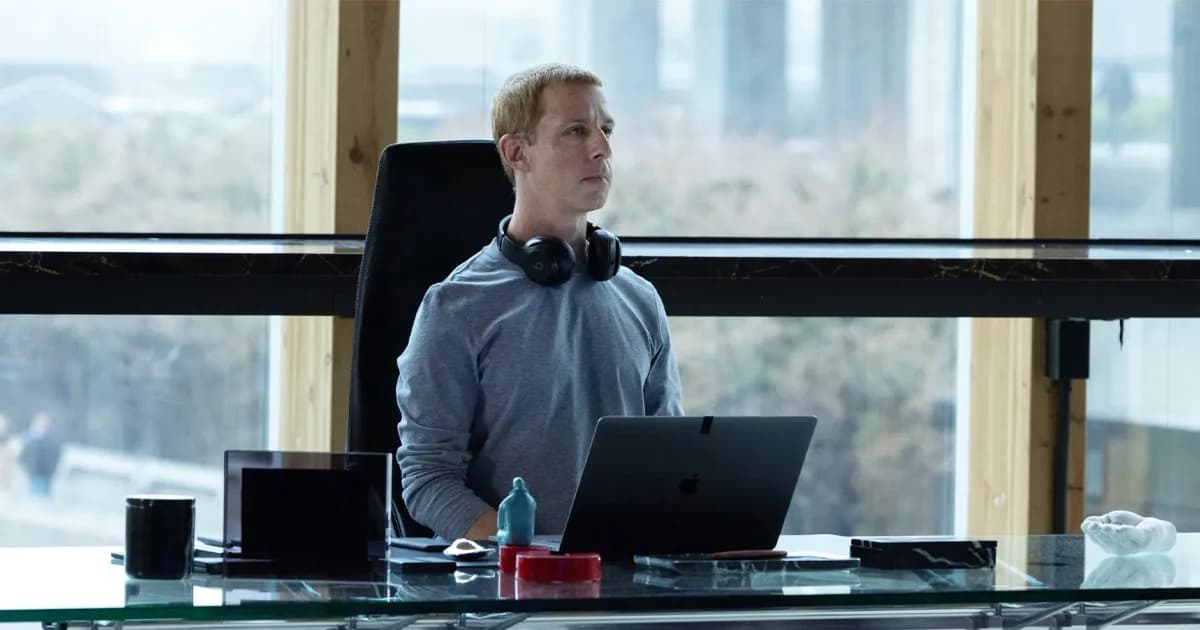
The epilogue is where the film stings. Public outcry follows. Media coverage explodes. Yet, Meta rebrands as Meta. Algorithms stay. Engagement metrics remain king. The company survives. The system doesn’t change.

This isn’t fiction. It’s a mirror. Pinkvilla reports the film’s ending reflects real-world outcomes. Where whistleblowers are celebrated, then forgotten. Where laws protect them, but don’t fix the architecture.

And that’s the point. Sorkin isn’t offering catharsis. He’s asking: what does accountability look like when the machine keeps running?

Audiences are already debating. Some call it a failure. Others say it’s honest. One tweet summed it up: "More Tech Bros ridicule and scorn! While we still can!" Not because the film is bad, but because it’s too close to home.

The Social Reckoning doesn’t end with a win. It ends with a question. And that’s the only thing left to ask.

About the film

The Social Reckoning

9 October 2026 · in theatres · cast, trailer and release details

Reported from

This article was written by the CutMirchi desk from the reporting above. Facts are attributed to their original publishers.

What did you make of it?

Be the first to comment

Join the argument. No password, just your email or a passkey.

    Read next