Sorkin’s latest lands in Indian theatres on October 9, but the debate began before the first frame. Is it a warning or a whine?
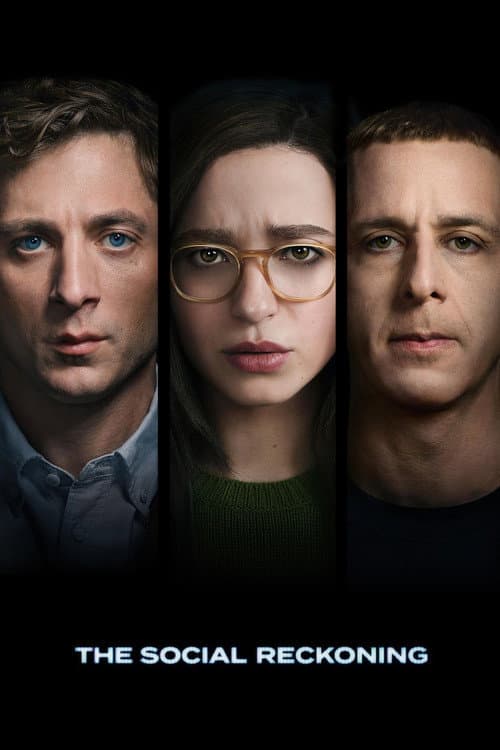
The Social Reckoning hits Indian theatres on October 9, but the noise around it has already begun. Aaron Sorkin’s follow-up to The Social Network — this time a legal thriller rooted in real events, isn’t just a film. It’s a cultural flashpoint. And early reactions are split along ideological lines: some see a necessary reckoning with tech power.
Others call it a self-congratulatory slog. No consensus. Just friction. That’s the point, maybe.
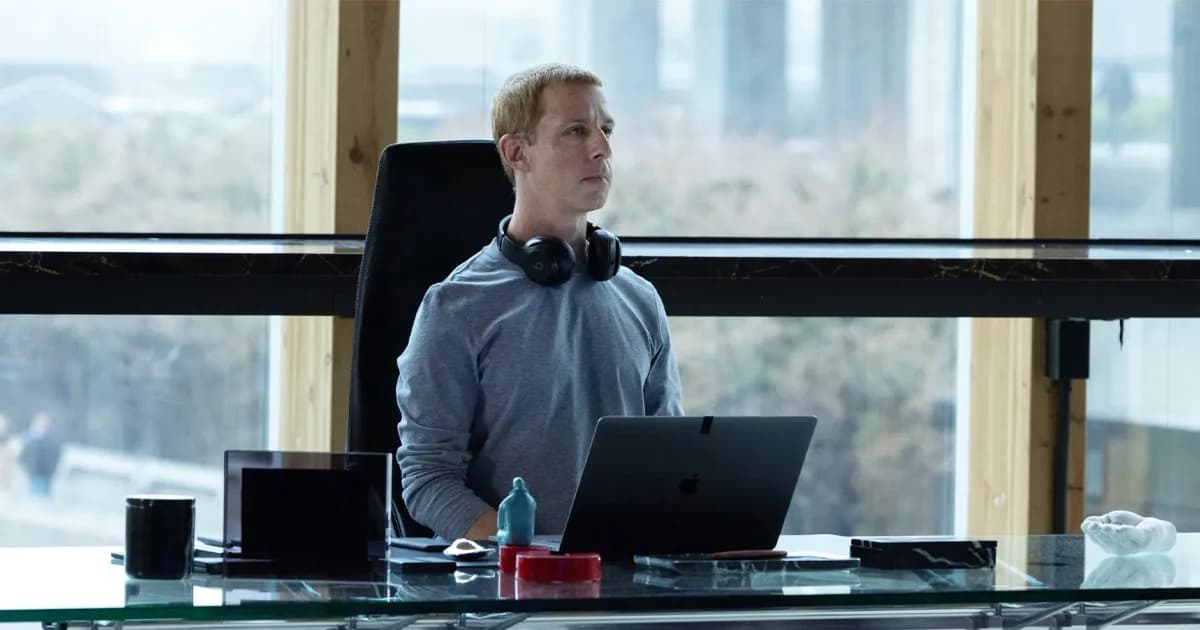
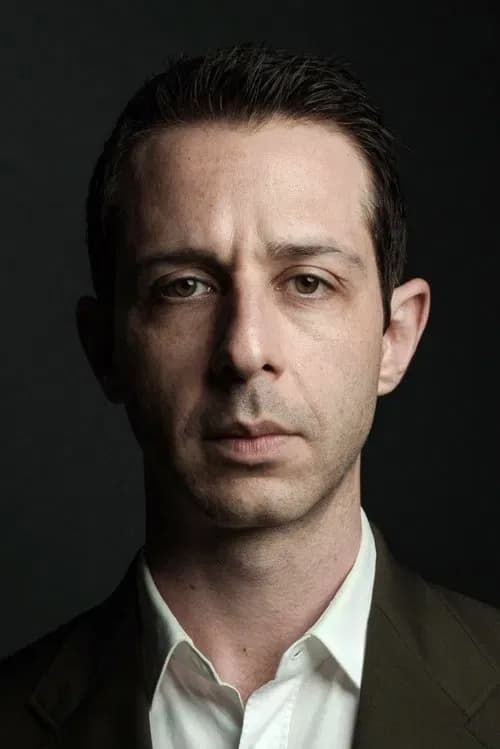
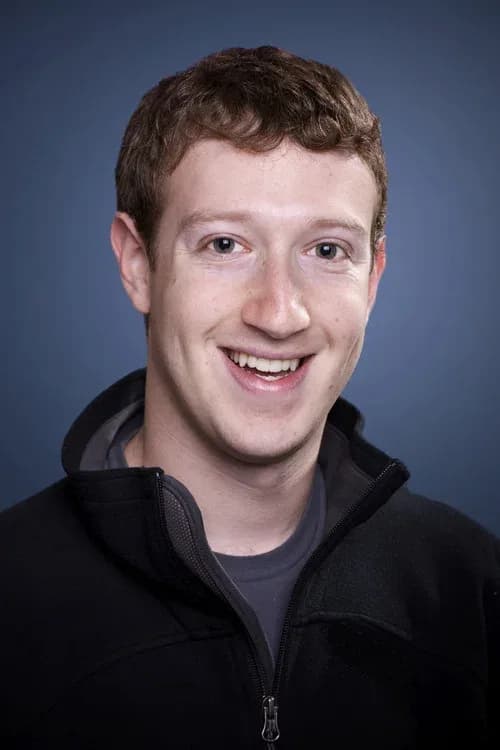
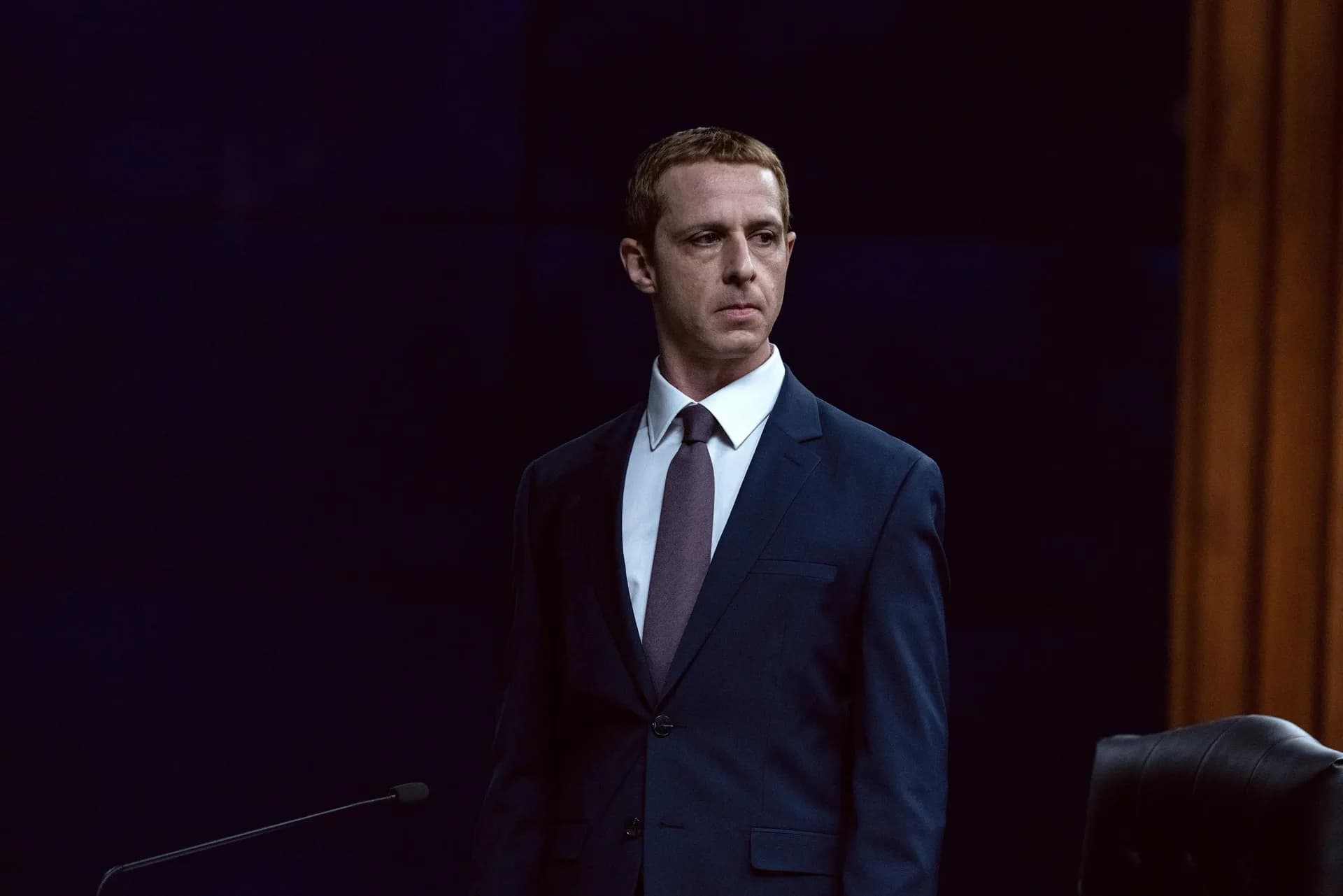
Or perhaps not. The film stars Mikey Madison as Frances Haugen, the whistleblower behind the Wall Street Journal’s explosive 2021 ‘Facebook Files’ series. Jeremy Allen White plays Jeff Horwitz, the reporter who helped break the story. Jeremy Strong reprises the role of Mark Zuckerberg.
Not as a caricature, but as a man whose calm is terrifying. Sorkin wrote and directed, returning to the same digital dystopia he once mined for drama, but this time with less irony, more urgency. The official logline calls it a companion piece, not a sequel. That matters.
This isn’t about Facebook’s founding. It’s about what came after. The fallout. The lies.
The profit margins built on outrage. Critics have seen it. Some are calling it Sorkin’s best since Molly’s Game. Others say it’s a flat, over-written retread.
Scott Menzel says it’s a 'true return to form'. Cole Groth from FandomWire calls it 'obnoxious, pathetic, banal'. Daniel Howat finds it 'informative, though not necessarily compelling'. Matt Neglia says it's 'eye-rolling' and arrives 'five years too late'.
Leo Rydel praises its 'riveting, slow burn' energy. Tom Chatalbash says it made him angry, but should’ve made him furious. The performances? Nearly unanimous.
Madison, White, Strong. They’re all locked in. The dialogue still crackles. But the pacing drags.
The direction lacks bite. One critic said the film moves like a newsroom meeting that never ends. Another called it a 'horrifying retelling' of how Facebook weaponized attention. A third said it’s essential viewing.
A fourth said they’d rather watch a documentary. The film’s release in India is exclusive to English-language screens. No dubbed version. No regional rollout.
Just one date: October 9. And no matter what the reviews say, the conversation will be loud. Because everyone’s phone is on. And someone’s talking.
Again. The theatre lights go down. The screen flickers. And somewhere in the audience, someone’s scrolling.
Not watching. Scrolling. The film’s about that. But it’s also about what happens when you finally stop.






Be the first to comment
Join the argument. No password, just your email or a passkey.