The Social Reckoning arrives in Indian cinemas on October 9 — exclusively in English, without any regional release plans.
The Social Reckoning hits Indian theatres on October 9 — a Friday, which means it’s not just a release date, it’s a statement. No grand fanfare, no star-studded premiere, just the quiet rollout of a film that’s already been dissected in headlines and trailers across the world. Aaron Sorkin’s latest, a legal thriller based on the Wall Street Journal’s explosive 2021 exposé The Facebook Files, lands in India with a singular focus: English-language cinema, unapologetically.
No dubbed version. No regional release window. Just one screen, one language, one market. And yet, it’s already stirring questions.
Where is this movie? Why now? And why only in English? The answers aren’t in the trailer, they’re in the silence between the scenes.
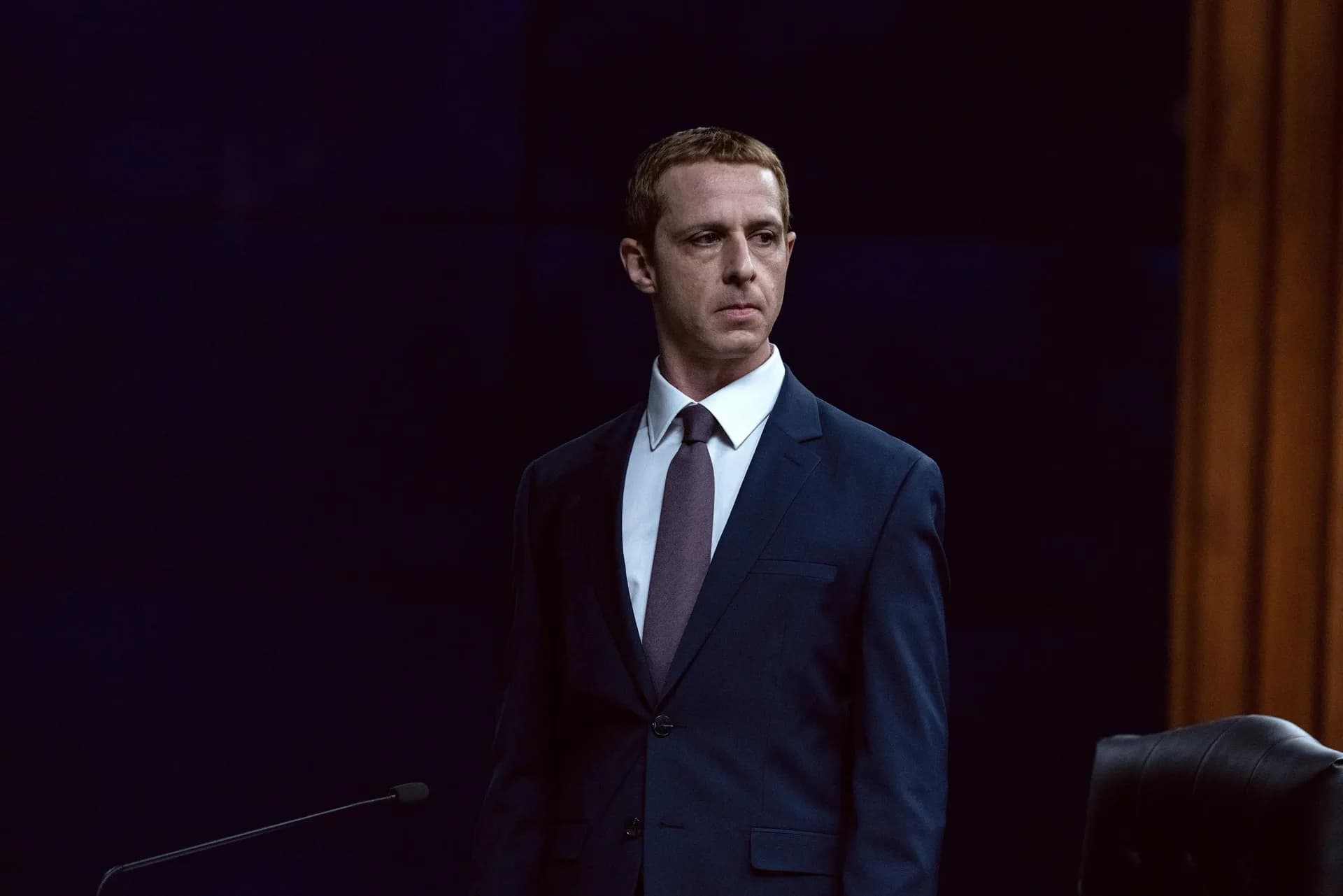
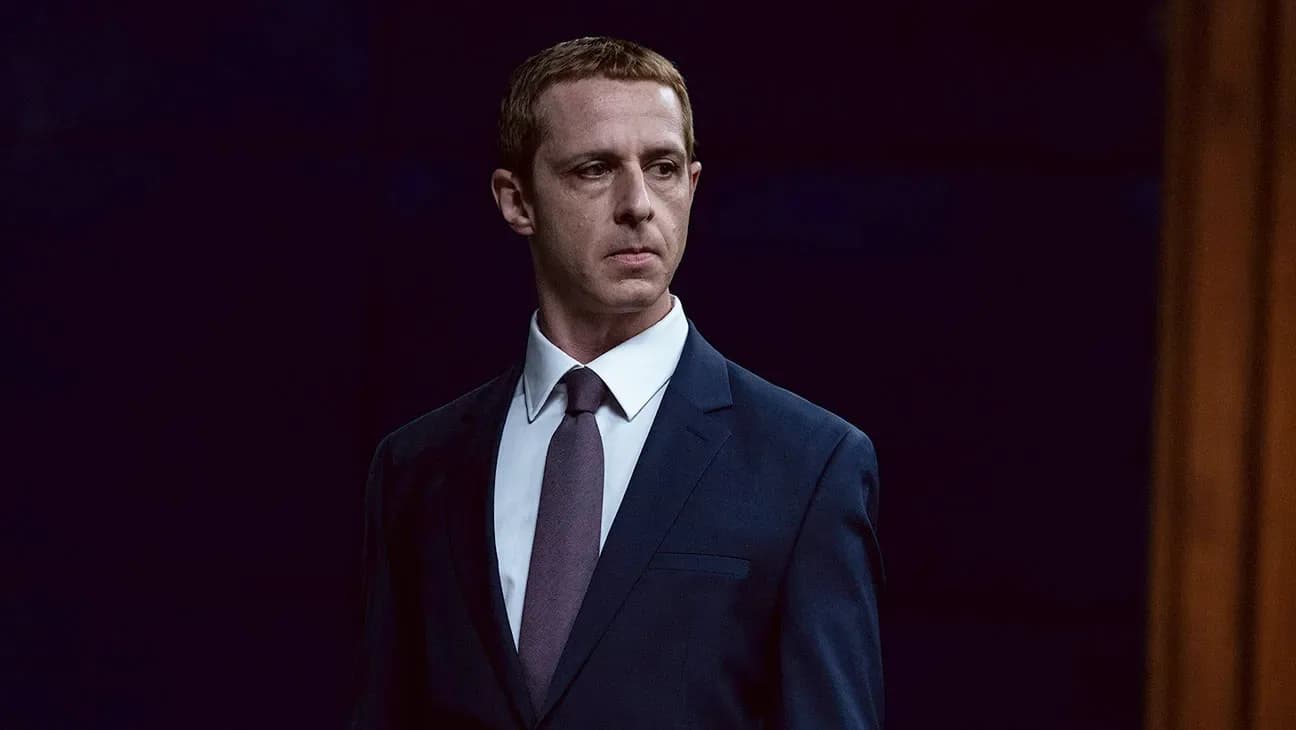
The film stars Mikey Madison as Frances Haugen, the whistleblower engineer who took down Facebook from within. Jeremy Allen White plays Jeff Horwitz, the journalist who helped her tell the story. Jeremy Strong rounds out the trio, though his role remains shrouded in the usual Sorkin mystique. More presence than explanation.
The cast also includes Billy Magnussen, Wunmi Mosaku, and Bill Burr, all appearing in the teaser that dropped earlier this week. The tone? Tense. The pacing?
Deliberate. The stakes? Not just corporate, but moral. This isn’t fiction.
It’s a retelling of real events that reshaped public trust in tech giants. But here’s what’s odd: despite being a global story, the film’s Indian release is limited to English-speaking audiences. There’s no indication of a Hindi or regional dub. No plan for streaming.
Nothing beyond the theatrical run. That’s not unusual for a Sorkin film, he’s never been about mass appeal. But in a country where English films often get a second life through subtitles and digital platforms, this feels like a gamble. Or maybe a signal.
The Social Reckoning doesn’t need to be big. It just needs to be seen. And right now, it’s not. Not yet.
Not everywhere. So the real question isn’t whether it’ll make money. It’s whether it’ll matter. Because if it does, it won’t be because of box office numbers.
It’ll be because someone watched it, looked up, and said: That could’ve been us.








Be the first to comment
Join the argument. No password, just your email or a passkey.