The Bay Area beatmaker who shaped a region's sound with Luniz, Mac Dre and E-40 died with no cause of death disclosed, KQED first reported.
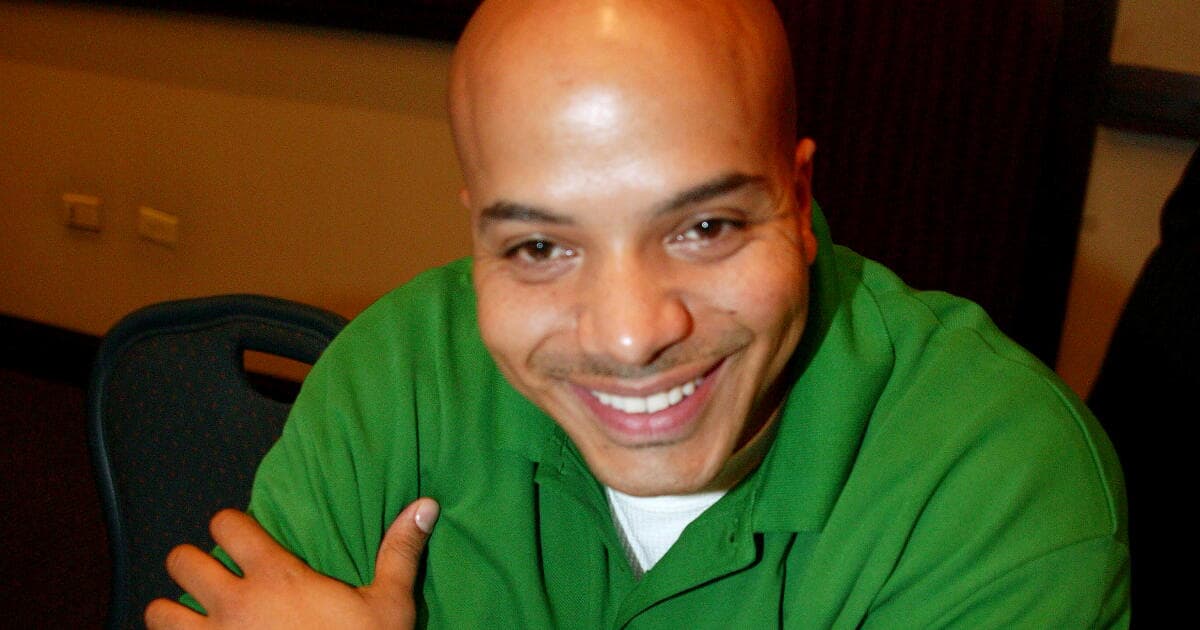
Tone Capone is dead at 59. KQED broke the news first, and the Los Angeles Times has since confirmed it, though nobody's put out a cause of death yet. He was living in Las Vegas at the time.
If you know one song of his, it's the one. "I Got 5 On It," the Luniz single from 1995, is the record that put him in the canon. Slinky, a little spooky, built off a riff on Club Nouveau's "Why You Treat Me So Bad" — it climbed into the Billboard top ten back then and never really left rotation. Jordan Peele slowed it down into something genuinely unsettling for his 2019 horror film "Us," and that version alone introduced Capone's production to a whole generation who had no idea who made the original.
Born Anthony Douglas Gilmour in Berkeley, Capone learned to DJ at Berkeley High School and cut his teeth at house parties and college gigs alongside his close friend Nick Peace, who went on to build his own name as a producer. Bay Area hip-hop in that era was fiercely independent, almost closed off from the major-label machine, but Capone found a way to work both sides. He produced for the R&B group SWV and for Oakland's Capital Tax, carrying a sound rooted in '70s soul and hard funk into rooms that weren't always built for it.
That sound had a signature. Soulful but almost martial, with a downbeat that hit hard and stayed there. You hear it across Mac Dre's "Fire" and "Not My Job," on E-40's "Ring It," on 3xKrazy's "Keep It on the Real," and scattered through work with Celly Cel and Andre Nickatina. It's the kind of catalogue that doesn't always make headlines outside hip-hop circles but shows up on every serious list of what the Bay actually sounded like in the '90s.
His reach went past Northern California too. In Houston, he worked with Scarface and Devin the Dude, and his production on Scarface's 1997 album "The Untouchable" helped push it to platinum. That record carries "Smile," one of the last verses Tupac Shakur ever laid down before his death in 1996, which makes Capone's fingerprints part of two separate, heavy chapters in hip-hop history whether people clocked it or not.
No memorial details have surfaced yet, and neither KQED nor the LA Times has said anything about how he died. Tributes from the artists he worked with, if they come, will likely fill that gap before any official statement does.



Be the first to comment
Join the argument. No password, just your email or a passkey.