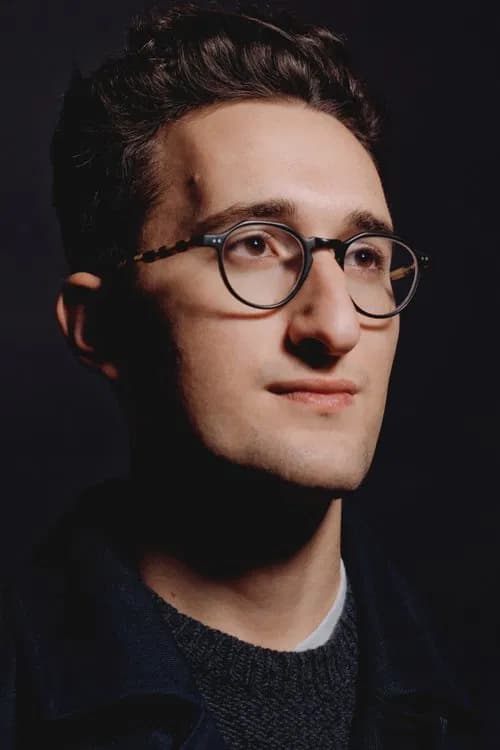
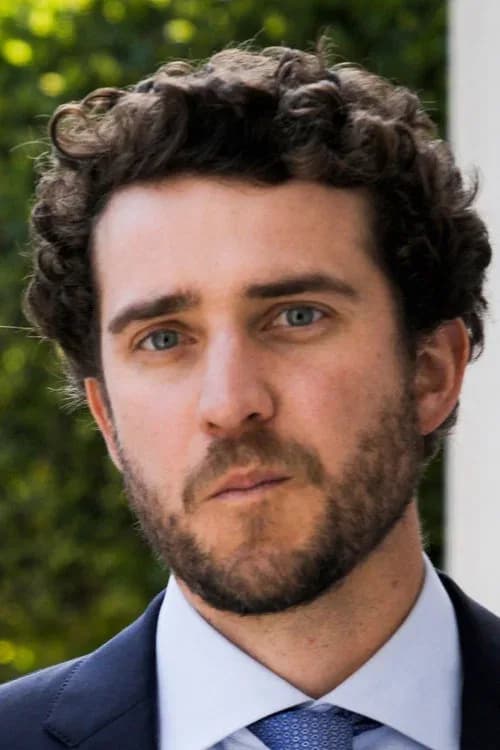
Billy Evans says Elizabeth Holmes felt the unblurred shower scene in the documentary was a violation of their intimacy, despite his consent to filming.
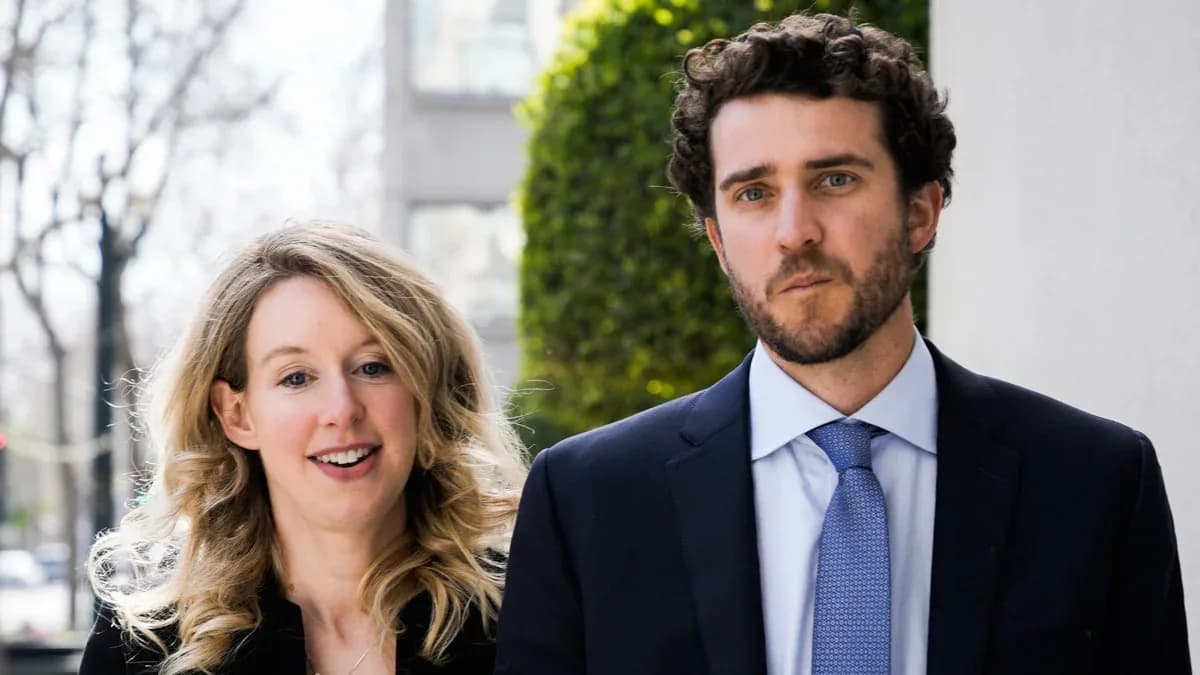
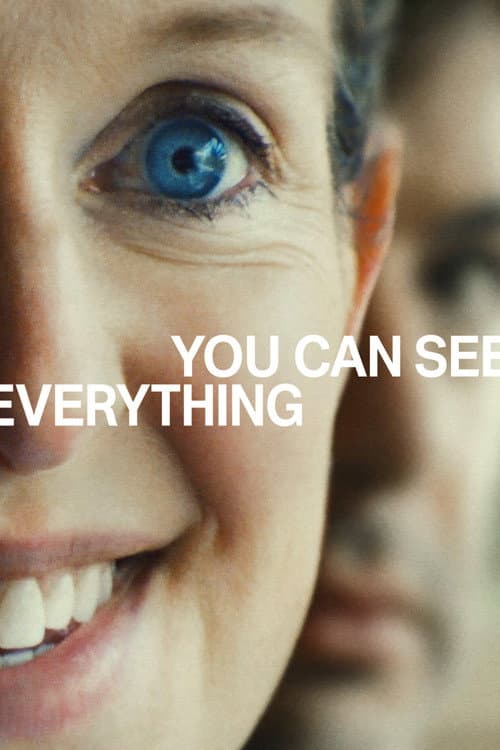
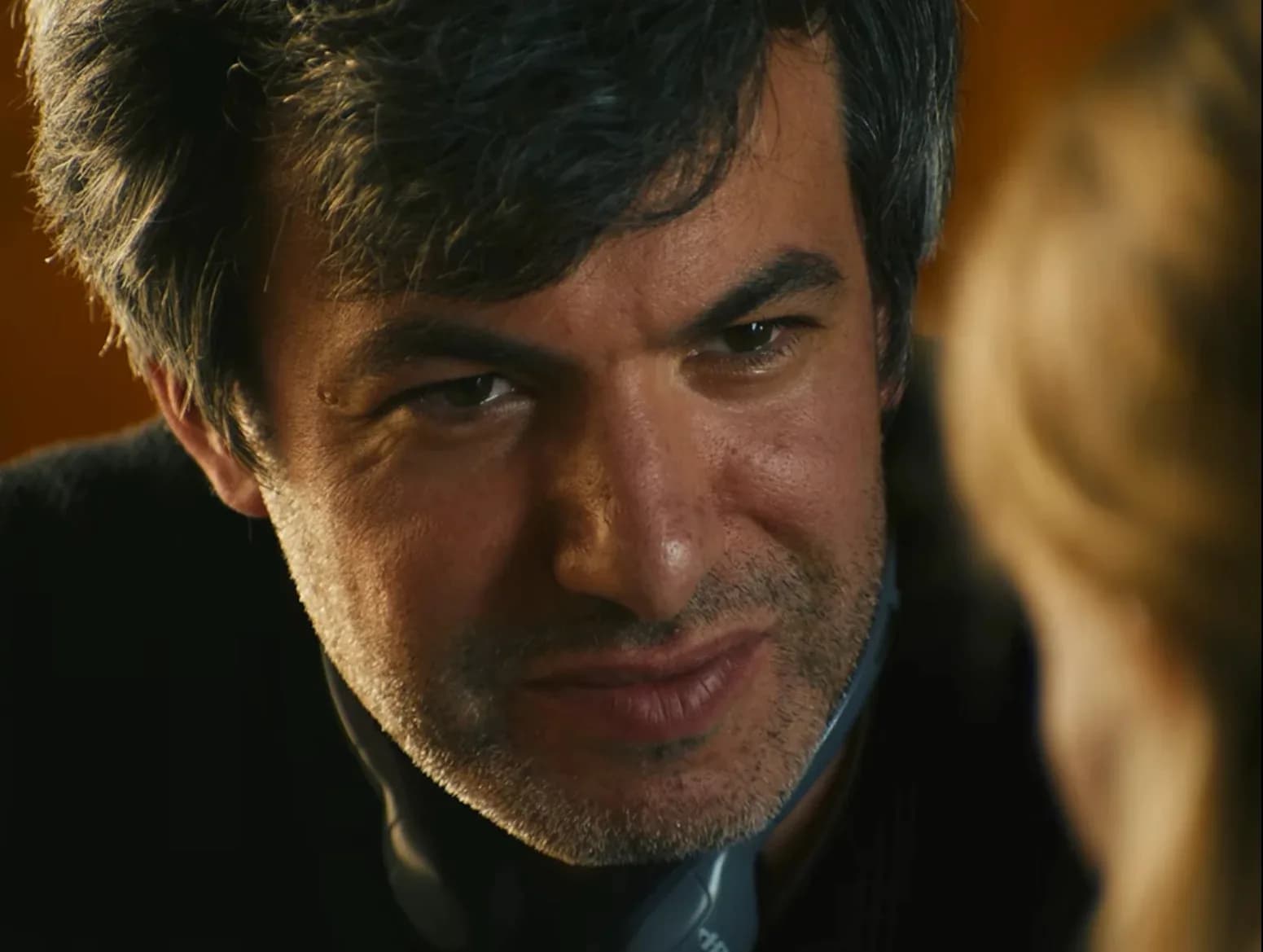
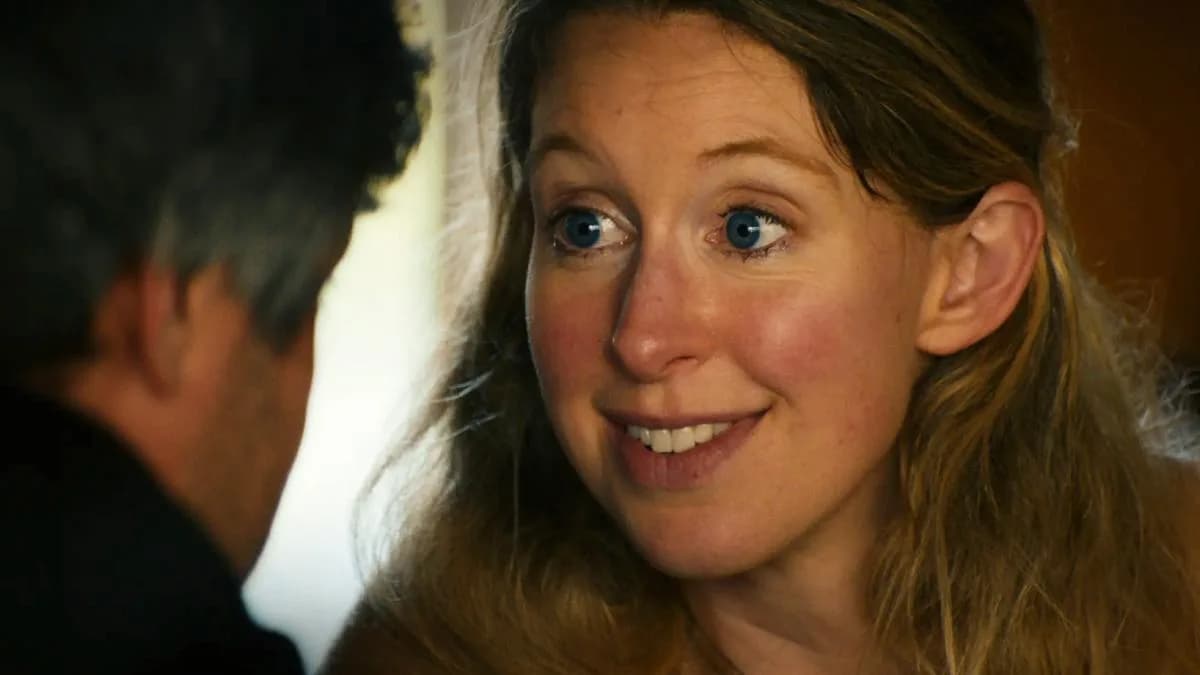
The documentary You Can See Everything, directed by Lance Oppenheim and Billy Evans, has sparked controversy over a raw, unedited shower scene featuring Evans. In the footage, Evans appears fully nude as he steps out of the shower, unaware of Nathan standing just outside the bathroom door. The shot lingers, capturing him from behind with no pixelation.
Evans, who co-directed the film, says he never expected the scene to be released without modification. "I would expect them to blur things," he told THR. "Did I consent to them filming me? Yes. Did I consent to them showing it to the world? No." He claims A24 refused his request to blur the image.
Though Elizabeth Holmes hasn’t seen the film yet, Evans says she’s been vocal about her discomfort. "She’s a pretty traditional person," he said, adding that she viewed the moment as a violation of their private life. "But for me, there’s a lot of embarrassment associated with everyone you know and their moms and the kids’ parents at drop-off having seen this."
The film, which explores the intimate dynamics between Evans and Holmes during their relationship, has drawn attention beyond the shower scene. Amanda Seyfried, who plays Holmes in the upcoming Hulu series The Dropout, recently commented on a different scene involving dinner, though her remarks were unrelated to the documentary.
The controversy adds another layer to the already complex narrative around Holmes, whose real-life story has been dramatized across multiple platforms. The documentary’s unflinching approach — especially its handling of personal moments, has ignited debate about consent, artistic freedom, and the ethics of documenting private lives.
The film is set to premiere at the 20th Annual Cinema Eye Honors, where it’s tied for most nominations alongside American Doctor. Whether the shower scene will become a defining moment of the film, or a flashpoint in the conversation about documentary ethics, remains to be seen.
Be the first to comment
Join the argument. No password, just your email or a passkey.