The actress says the unexpected spit was a deliberate choice, encouraged by Hunnam, while the series also reimagines the historic friendship between Lizzie Borden and stage star Nance O’Neil.
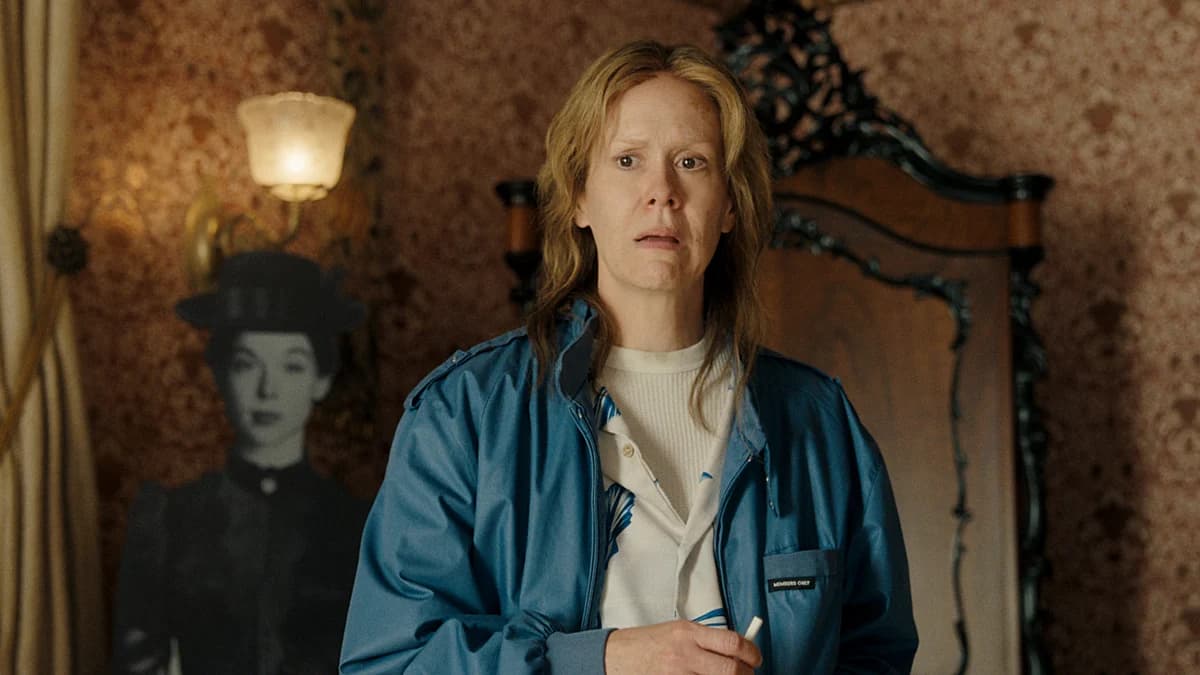
Vicky Krieps, who plays housemaid Bridget Sullivan in Netflix’s Monster: The Lizzie Borden Story, confirmed she actually spat on Charlie Hunnam while filming the climactic showdown between their characters. In an interview cited by Just Jared, Krieps explained that Hunnam urged her to “go all the way” with the moment, assuring her that the physicality wouldn’t be an issue. “I told him I was strong enough,” she laughed, adding that the scene called for her character to literally kill the fantasy version of Hunnam’s Andrew Borden. When the spit landed, Hunnam rose, visibly startled, and asked what had just happened. Krieps described the exchange as “playful” and said the two stayed focused on the work while having a bit of fun.
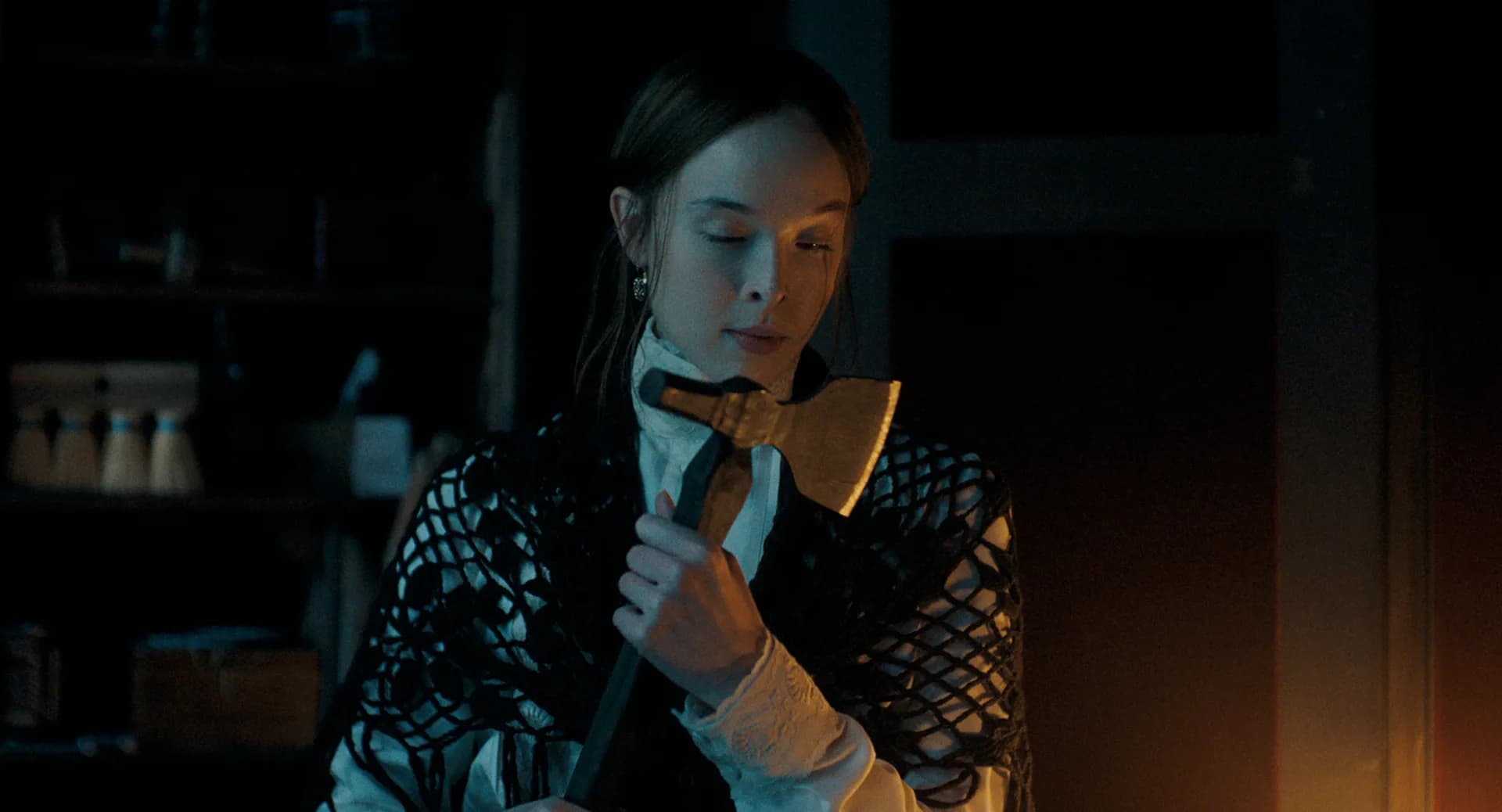
The incident has sparked chatter among fans, many noting how the rawness adds a visceral edge to the series’ dark tone. The show, created by Ian Brennan, already pushes boundaries by pairing a fictionalized Bridget with a murderous Lizzie (Ella Beatty) and a ruthless patriarch (Hunnam). Krieps’ candidness about the stunt points to the production’s willingness to blur the line between performance and reality.
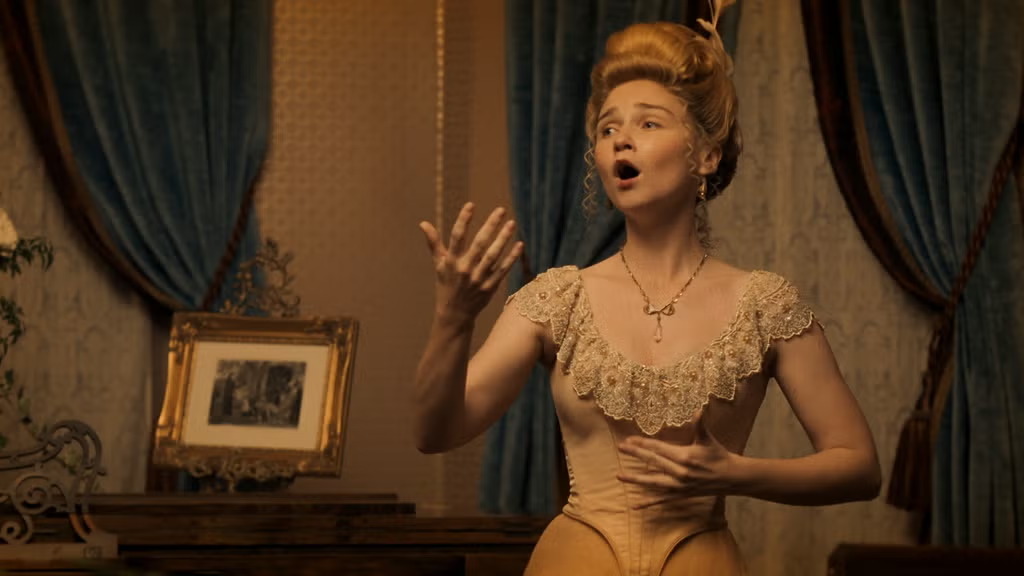
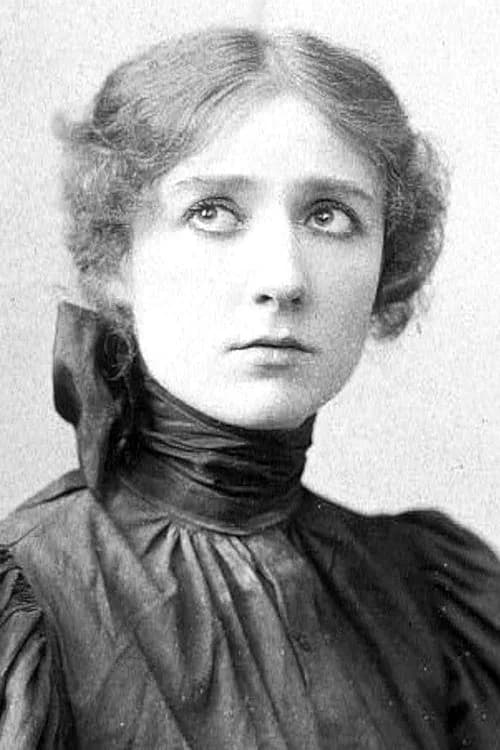
Beyond the on‑set drama, Monster also re‑imagines the relationship between Lizzie Borden and famed early‑20th‑century actress Nance O’Neil. TheWrap’s piece on the series points out that the show places O’Neil – portrayed by Jessica Barden – in the 1890s, having her meet Lizzie long before the real‑life encounter. Historically, Gertrude Lamson, known onstage as Nance O’Neil, began her career in San Francisco in 1893 and didn’t cross paths with Borden until 1904, well after the infamous 1892 murders and the subsequent trial.
The series takes artistic license, showing O’Neil inviting Lizzie to dinner, witnessing the cruelty of the Borden household, and later coaching Lizzie on how to feign innocence during her trial. In reality, O’Neil’s friendship with Borden emerged a decade after the trial, and there’s no evidence she ever acted as a patron for the young woman. TheWrap notes that many rumors about Borden’s sexuality stem from this fictionalized bond, a notion first popularized by Ed McBain’s 1984 novel that imagined a romantic link between Lizzie and Bridget.
Both the spit‑scene and the O’Neil storyline illustrate the series’ blend of fact and fantasy. While Krieps’ stunt was genuine, the historical timeline is deliberately skewed for dramatic effect. Viewers should keep in mind that Netflix’s Monster is a dramatized retelling, not a documentary.
The show continues to stream worldwide, and the buzz around Krieps’ on‑set anecdote is likely to keep the conversation alive on social platforms. Whether the spit will become a meme or simply a footnote in the series’ lore remains to be seen, but it certainly adds another layer to the already provocative portrayal of one of America’s most infamous murder cases.
Historical vs. Fictional timelines
- Nance O’Neil’s real debut: 1893 in San Francisco, not the 1890s London‑stage setting the series suggests.
- First meeting with Lizzie Borden: 1904, years after the Borden trial, contrary to the show’s 1892 meeting.
- Sexuality rumors: Largely fueled by later fictional works, not contemporary evidence.
What to watch next
Fans can expect more stylized confrontations and period‑bending storytelling as the season progresses. Keep an eye on upcoming episodes for further liberties taken with the 19th‑century narrative, and perhaps another surprise on set.
The series remains a hot topic on Netflix’s “new releases” row, and Krieps’ candid confession only fuels the hype. As the show rolls out its remaining episodes, the line between historical truth and creative invention will continue to be a point of discussion among both critics and binge‑watchers alike.





Be the first to comment
Join the argument. No password, just your email or a passkey.