The director says casting Prithviraj and debutante Priya Mani in Sathyam during AMMA's 2004 strike got him branded the man who broke the union's protest.
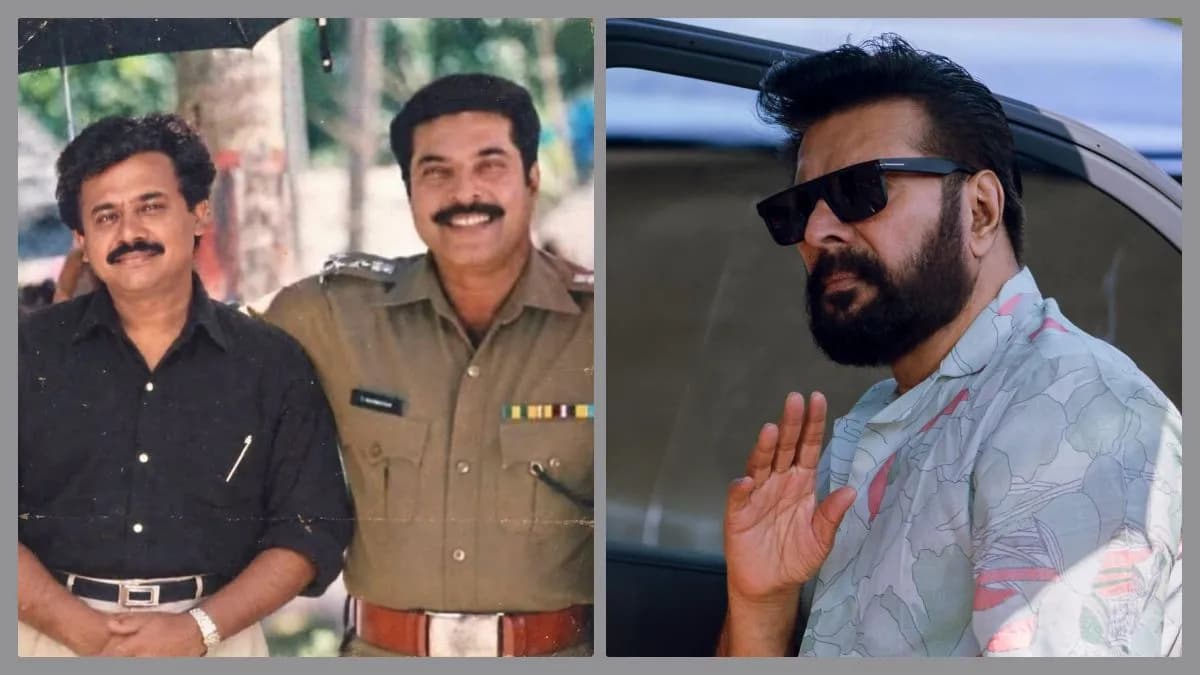
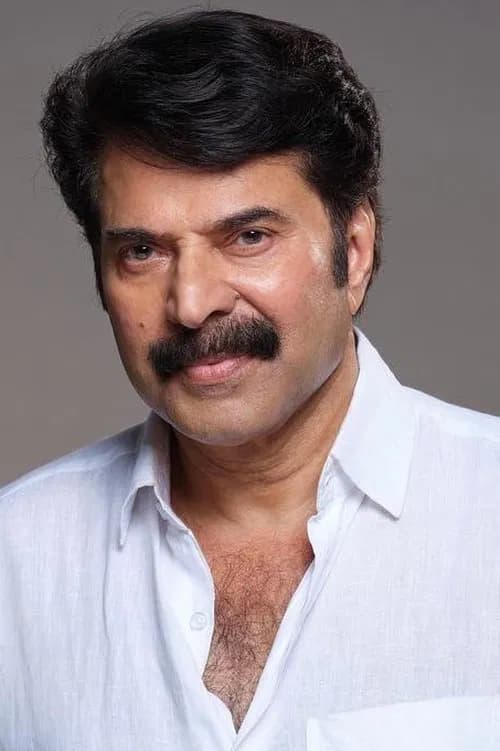
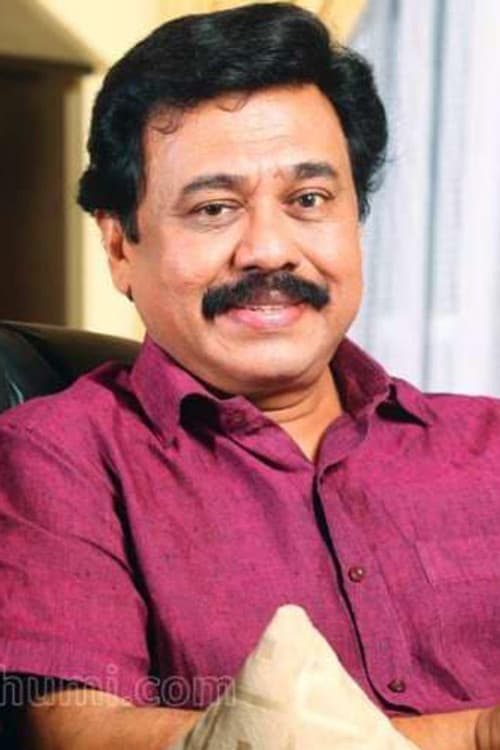
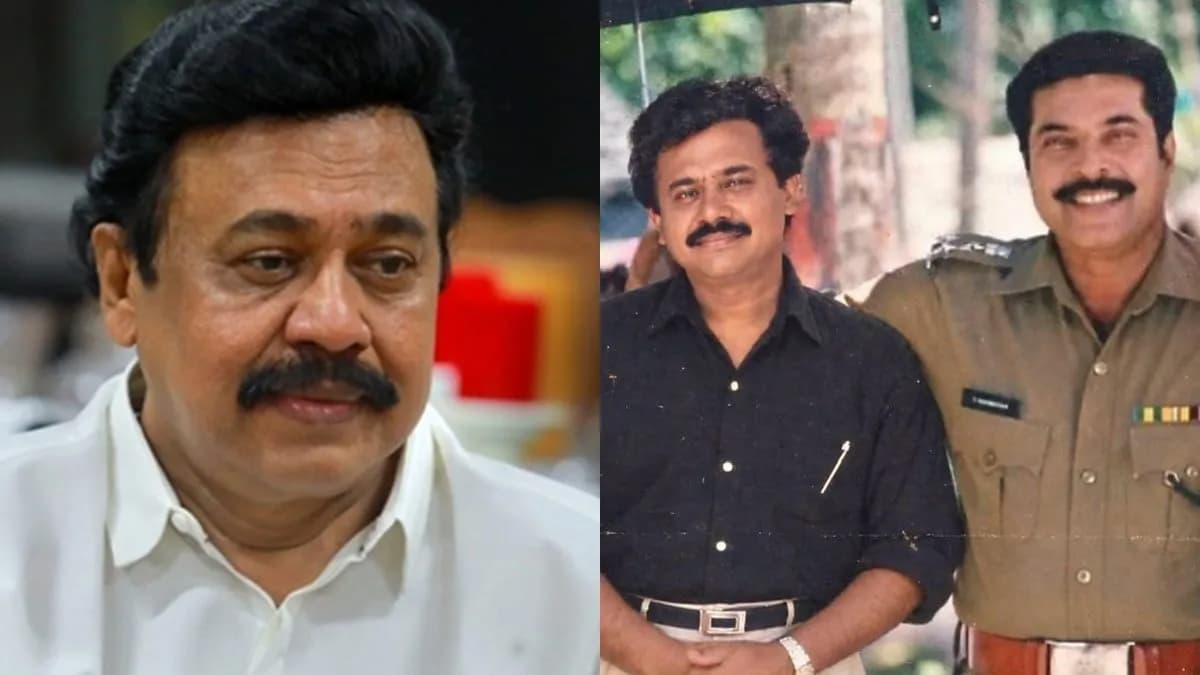
Vinayan worked with Mammootty exactly twice, on Dada Sahib and Rakshasa Rajavu, and in a Facebook post the director says that number should have been higher. The reason it isn't, he writes, traces back to a single year and a single film that had nothing to do with Mammootty at all.
In 2004, the actors' body AMMA went on strike, refusing to let members sign agreements with producers. Vinayan says he pushed back by making Sathyam with Prithviraj and a newcomer named Priya Mani, right through the standoff. That, he writes, is the moment he became persona non grata with AMMA and with the industry's biggest stars. "Amma samaram polichavan" is the phrase he uses, the man who broke AMMA's strike, and it stuck.
He doesn't walk it back. Vinayan says he believed then, in a business moving lakhs and crores, that producers and actors ought to have signed contracts protecting both sides. He held that position knowing it would cost him work and money, and he says it did. His post frames the standard agreements Malayalam cinema signs today as a direct descendant of that 2004 fight, and he says there's some satisfaction in that, even if he personally paid for it in lost opportunity and in the enemies it earned him. He adds that setting up a trade union for film workers afterwards hurt his career further, a stance he says didn't do him any favours as a creator even if it helped others.
The post also gets nostalgic about the actual filmmaking. Rakshasa Rajavu came right after Dada Sahib, at a time Vinayan says he was routinely releasing three or four films a year. Mammootty played Ramanathan IPS, a police commissioner introduced as a negative character, unlike anything the star was doing at the time. Vinayan says the script came together inside a month, timed close to the Aluva murder case that was making news then, and the whole shoot got treated as a challenge to pull off fast.
He says the offer came in while he was mid-release on Karumadikkuttan and deep in discussions on a Tamil film with Vikram called Kashi. Mammootty apparently told him if there was a story ready, they should shoot immediately, so Vinayan shelved Kashi to make Rakshasa Rajavu instead, shooting it right after Dada Sahib wrapped.
He closes the post on a warmer note, calling both shoots among his most memorable, and says watching Mammootty's energy today, decades on, still surprises him. That, he writes, is what the current generation of actors should be learning from.
Whether that admiration ever translates into a third collaboration, Vinayan doesn't say. His post reads like a settling of old accounts rather than a pitch for a new one.
Be the first to comment
Join the argument. No password, just your email or a passkey.