Collider’s latest list of the 10 best monster movies in film history has reignited conversation around the original 1954 Godzilla — not as a kaiju spectacle, but as a cultural artifact. The film, directed by Ishirō Honda and produced by Toho, was not conceived as a superhero origin story. It emerged from Japan’s collective memory of nuclear devastation, less than a decade after Hiroshima and Nagasaki. In that context, Godzilla wasn’t a force of chaos. He was a consequence. A creature awakened by hydrogen bomb testing, rising from the ocean to march across islands and into Tokyo, his destruction echoing the real-world trauma of war. The original version, unedited for Western audiences, carried a stark anti-nuclear message. That weight is what gives it its enduring power. Even today, the film’s final scene, where Godzilla dies beneath the waves, silent and alone. Feels less like an ending and more like surrender. American edits later inserted Raymond Burr as a reporter surrogate, softening the film’s tone and recasting Godzilla as a hero in sequels. But the 1954 version remains raw. It doesn’t ask you to root for the monster. It asks you to understand why he exists. Collider notes that while modern audiences may find the model work quaint, the emotional impact hasn’t faded. The film’s atmosphere, its haunting visuals, and the tragic arc of a creature who never chose to be feared, these are what elevate it beyond genre. The listicle frames this as a seasonal roundup, but the truth is deeper: Godzilla’s legacy isn’t built on explosions or cityscapes. It’s built on silence. On grief. On a nation’s attempt to speak through a monster. And that’s why, even now, he still walks.
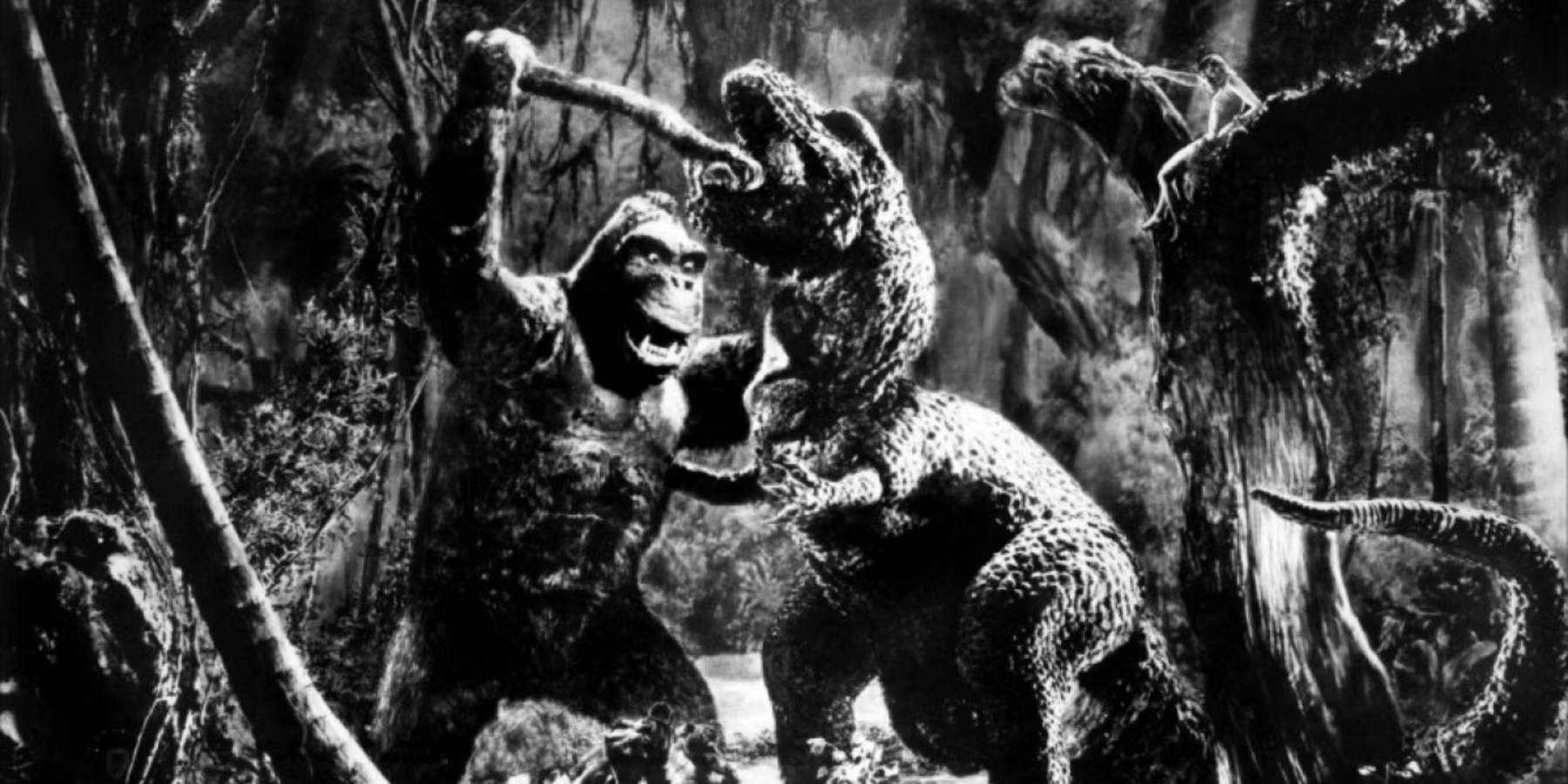 Photo via Collider
Why the Original Godzilla Still Haunts Us
The 1954 Godzilla isn’t just a monster movie. It’s a national trauma in motion.
Live site hype
around 3 reading right now · 561 today
Reported from
This article was written by the CutMirchi desk from the reporting above. Facts are attributed to their original publishers.
Read next
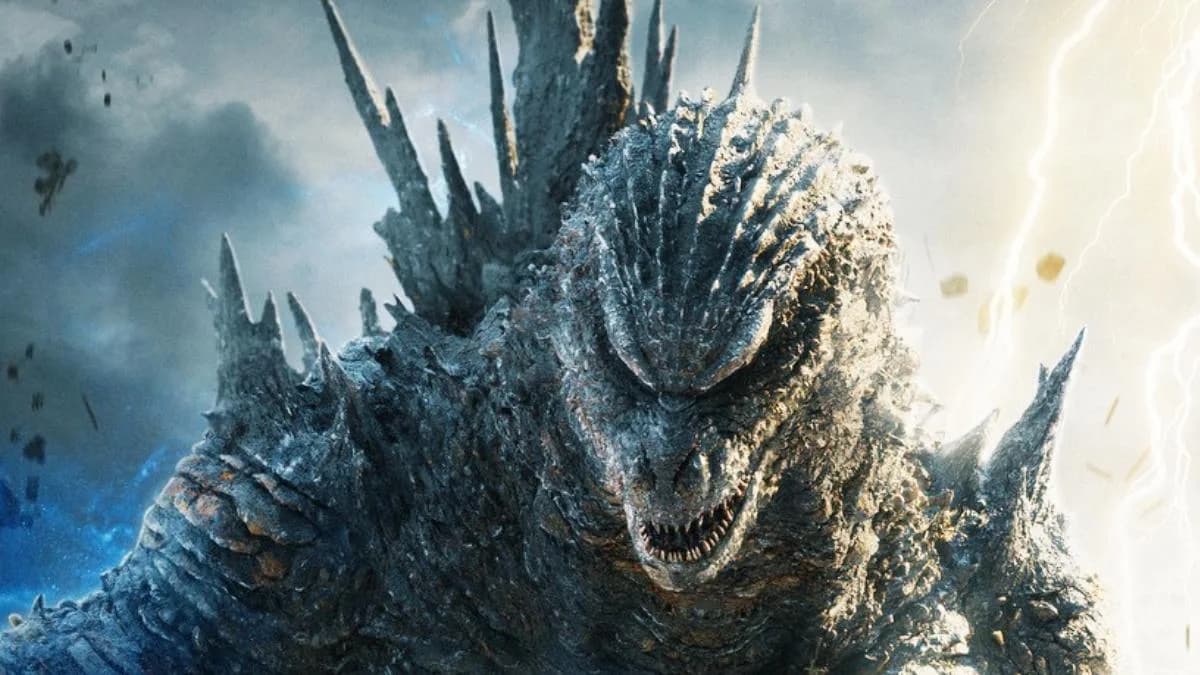
Godzilla Minus Zero Is Coming For Hollywood’s Throne
Godzilla Minus Zero is tracking for a $25 million opening in North America—over twice the debut of its 2023 predecessor. With a 97% Rotten Tomatoes score and IMAX-exclusive filming, the sequel is poised to redefine global kaiju cinema. Release date: November 6.
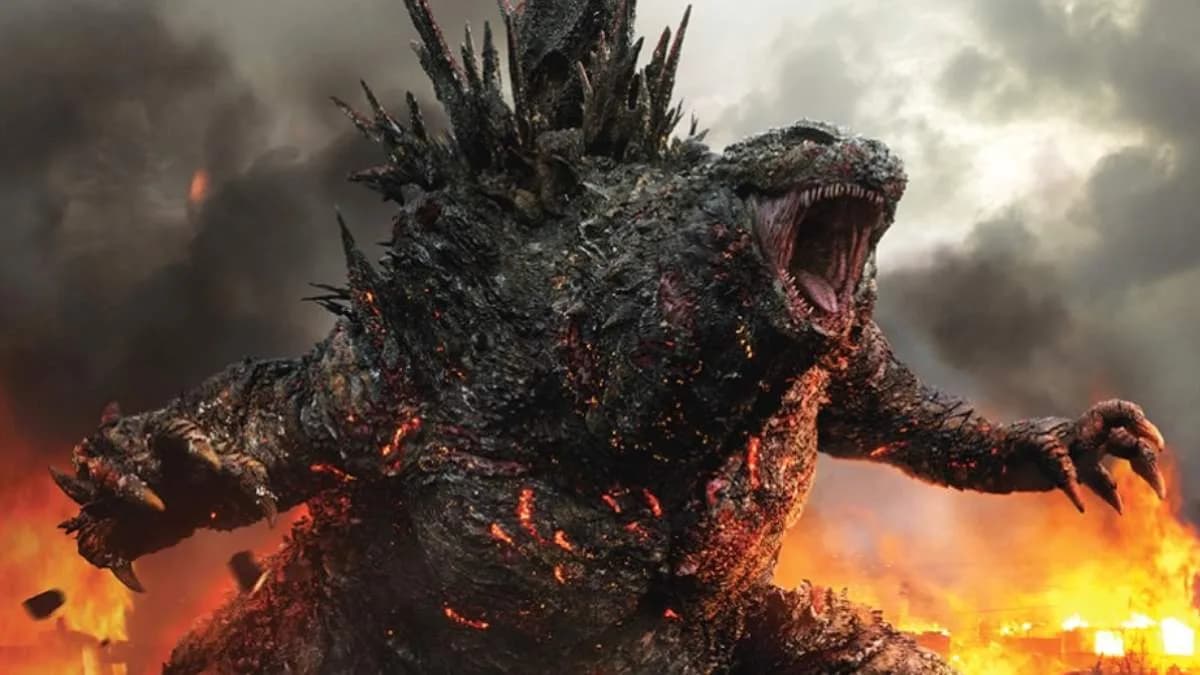
Godzilla Minus Zero: Early Reviews Call It a Heartbreaking Kaiju Masterpiece
Godzilla Minus Zero’s early reviews hail it as a deeply emotional, visually staggering sequel. Critics praise its handling of war trauma, VFX, and character depth. The film premieres next month.
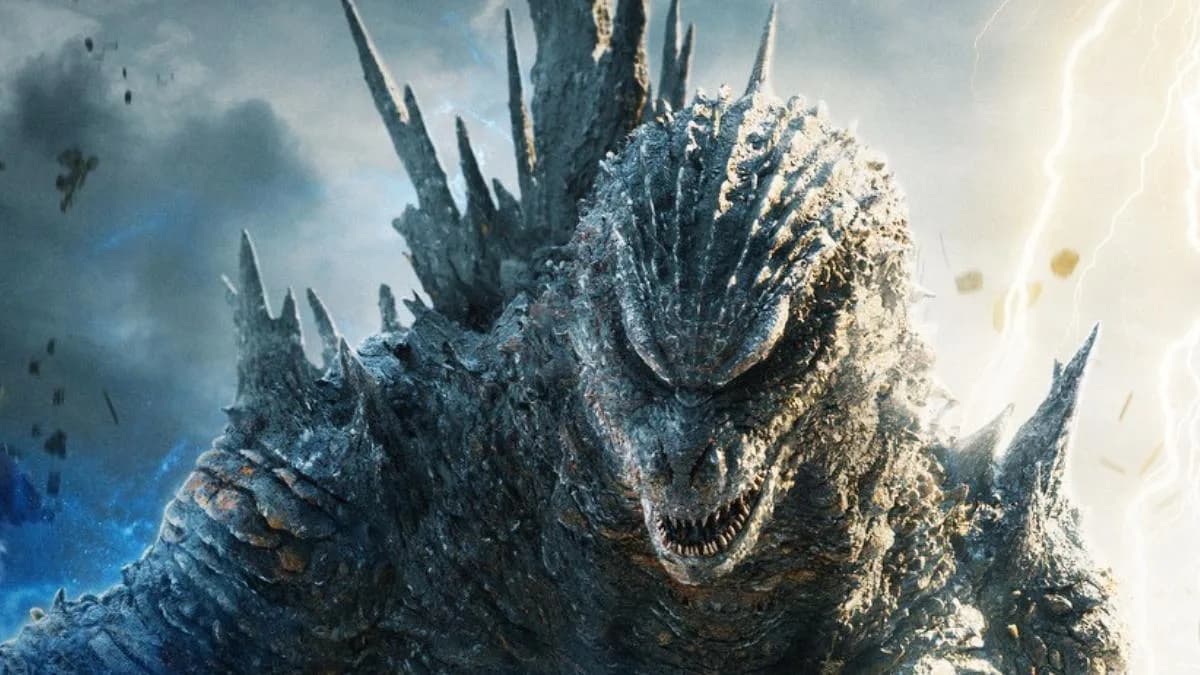
Godzilla Minus Zero Review: North America Box Office Forecast
Godzilla Minus Zero is tracking for a $25 million-plus opening weekend in North America, more than double its predecessor's debut, but still far from the $181.3 million record held by Black Panther: Wakanda Forever.
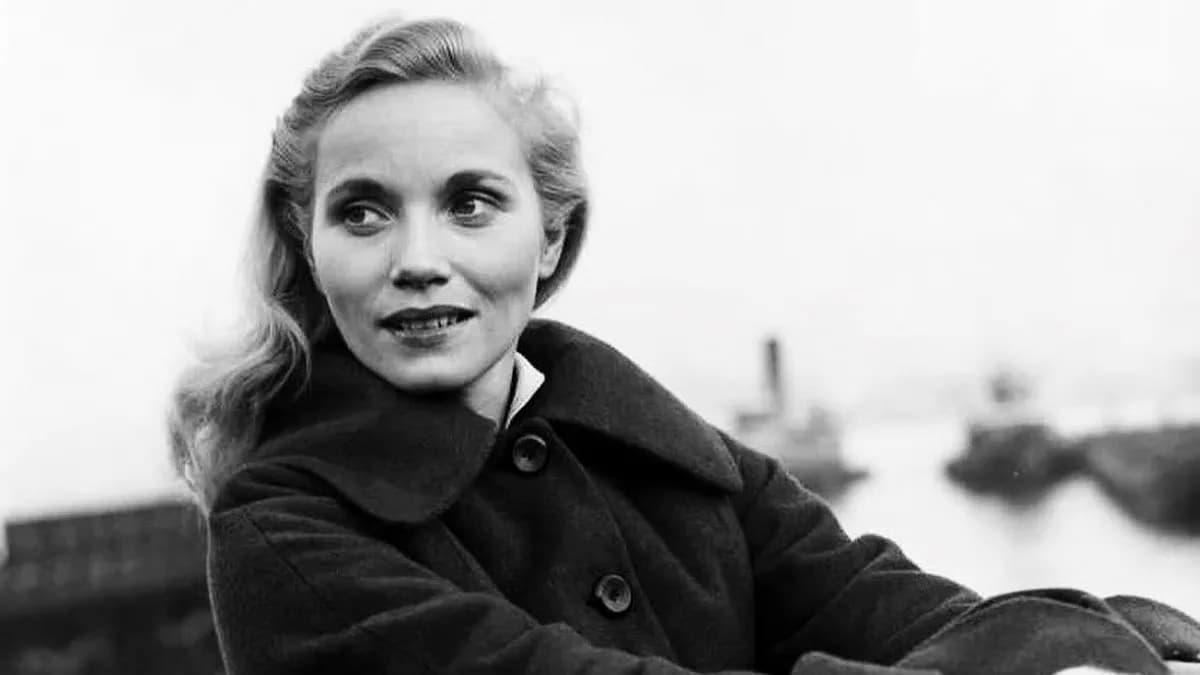
Eva Marie Saint, Last Living 1950s Oscar Winner, Dies at 102
Eva Marie Saint, the Oscar-winning actress whose screen debut as Edie Doyle in On the Waterfront became a defining moment in American cinema, has died at 102. She passed away Tuesday at her Los Angeles home of natural causes, surrounded by family, according to her publicist. Her death marks the end of an era — she was the last living winner of an acting Academy Award from the 1950s.
Be the first to comment
Join the argument. No password, just your email or a passkey.