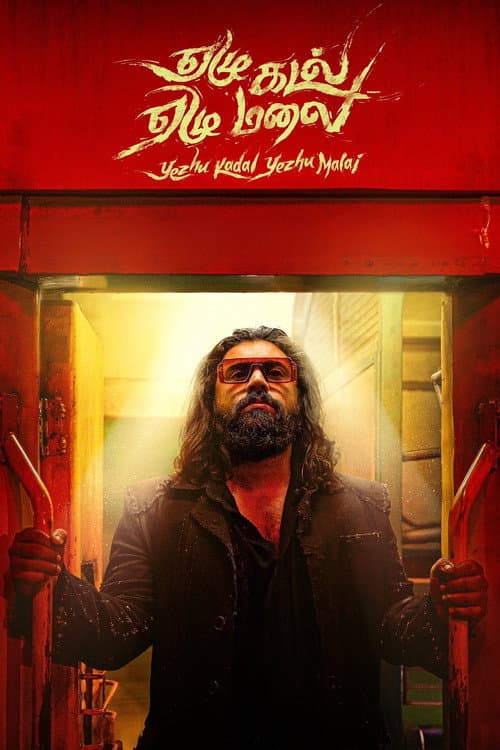
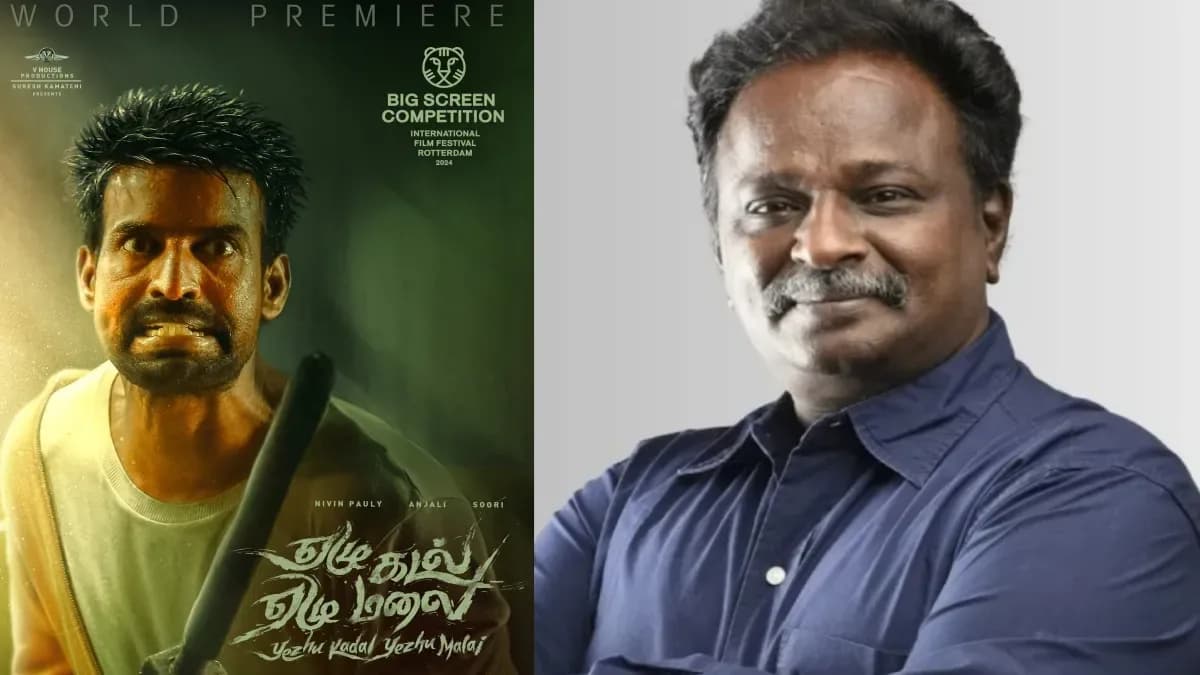
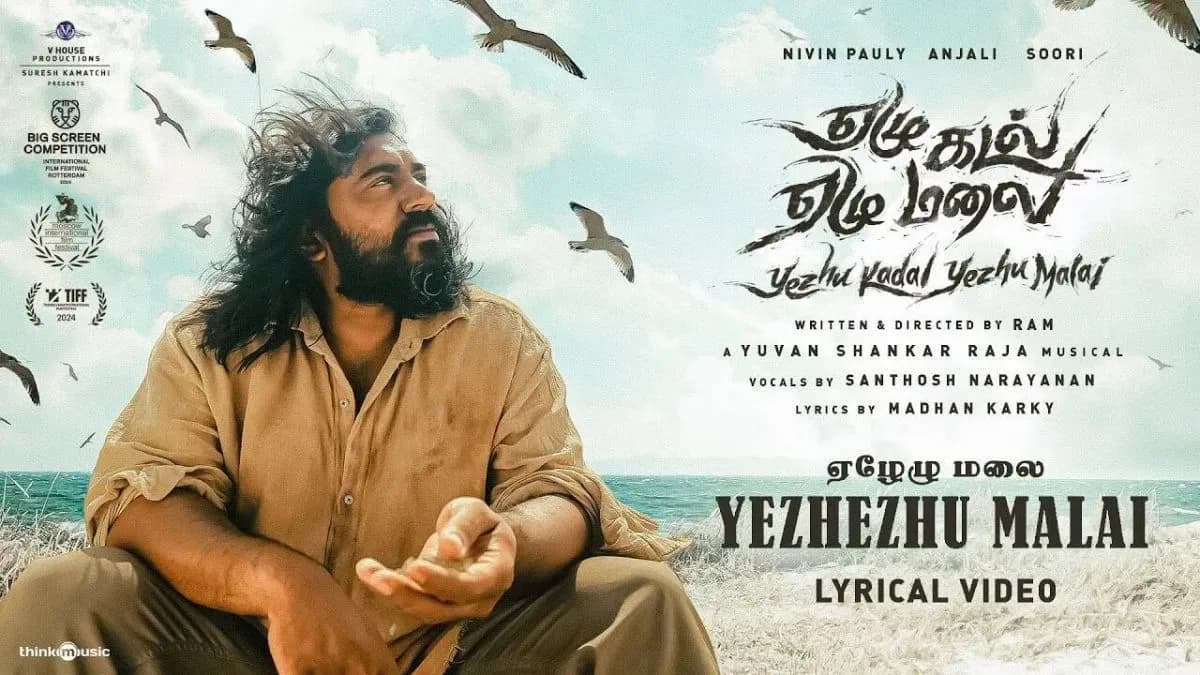
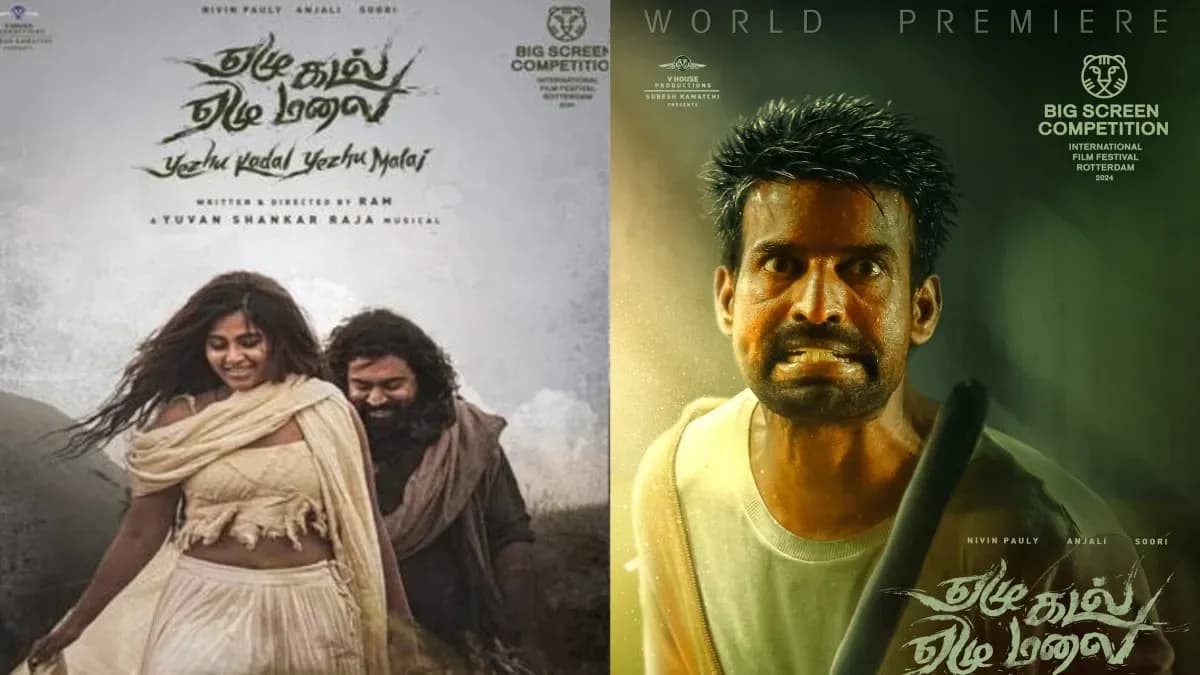
Ram’s latest, Yezhu Kadal Yezhu Malai, opens today — and it’s already sparking debate over AI use in Indian cinema. Nivin Pauly and Soori anchor a film that’s more concept than execution, with synthetic visuals disrupting a story about immortality, love, and regret.
Yezhu Kadal Yezhu Malai hits screens today — October 1, 2026, and with it, director Ram’s most controversial move yet. Not the plot. Not the metaphysical dread of an immortal man trapped in a looping train. No, the real shocker is what’s in the frame: AI-generated imagery, cropping up almost every fifth minute in the first half.
The Hindu calls it ‘AI slop’. It’s not just present. It’s persistent. And it’s not just distracting.
It’s jarring, especially in a film that claims to be about empathy, memory, and the weight of existence. An AI elephant strolls through a flashback like it owns the scene. A rabbit blinks into view during a moment meant to feel sacred. The irony isn’t lost on anyone: a story about human connection made using synthetic life.
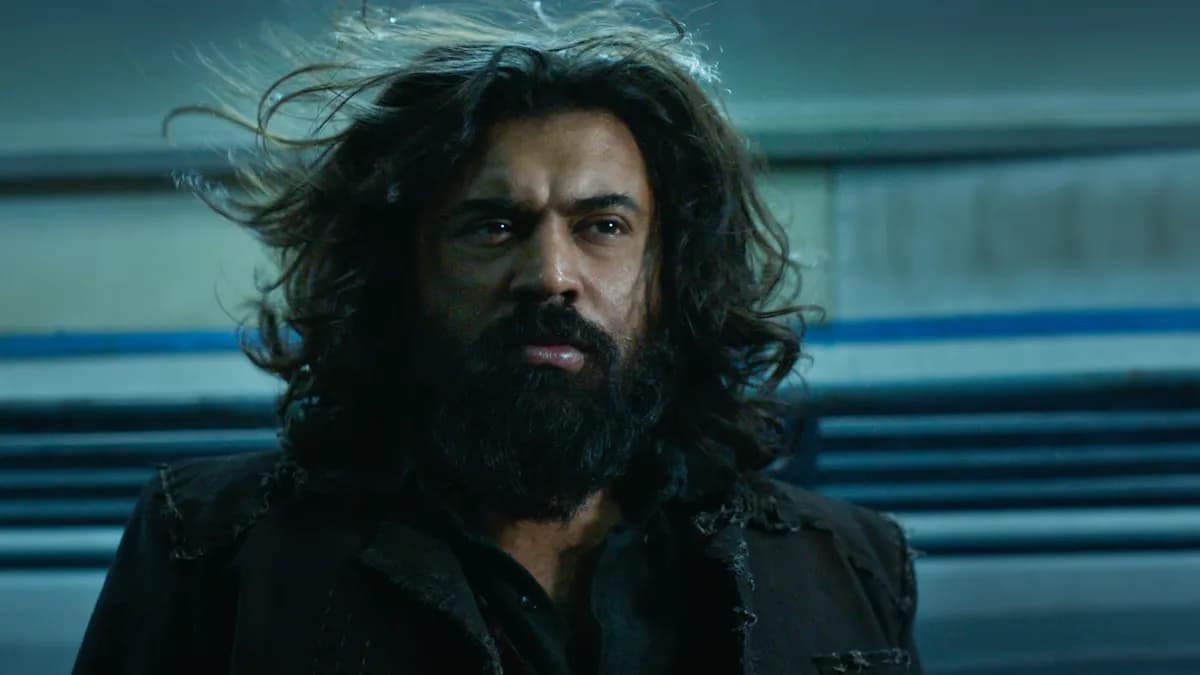
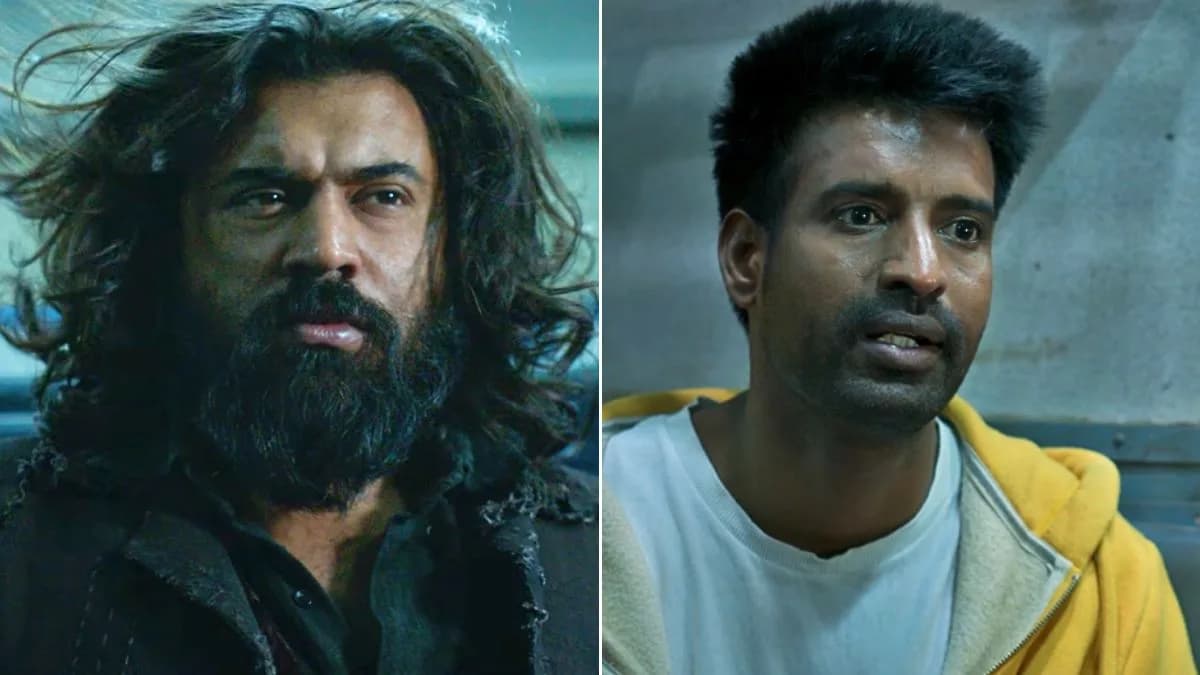
Even if the tech was used to stretch the film’s mythic scale, it lands like a punchline in a tragedy. You can’t help but wonder, did Ram lose his grip, or is this a statement? The film’s premise is strong: Nivin Pauly as a nameless immortal who traps Soori, a mortal, on a silent express train.
Their dialogue spirals into past lives, reincarnations, guilt, and cosmic reckoning. But instead of letting sound, silence, and performance carry those visions, Ram leans on digital ghosts. The result? A film that feels emotionally frayed at its core.
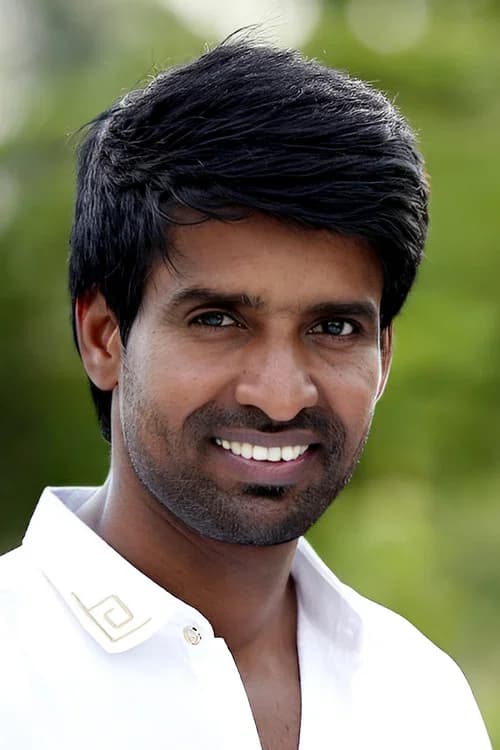
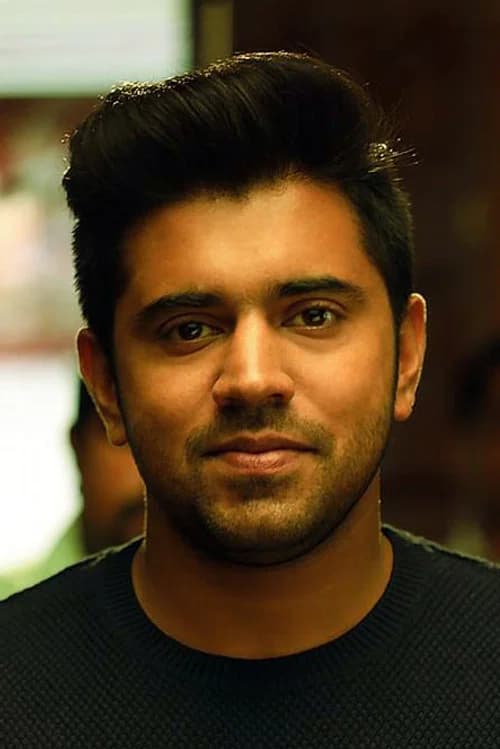
Nivin and Soori are magnetic. Their chemistry, even in absurdity, holds. Soori, once known for comedy, delivers a restrained, haunting turn. The CGI rat?
A standout. It’s more expressive than some humans in the film. But the heart of the movie, the search for Anjali, the woman he’s loved across lifetimes. Is where Ram still shines.
That beachside sequence, the kerosene lamp flickering in the dark, her embracing a disabled man, these moments land. They’re raw. They’re real. They’re Ram.
Yet they’re buried under layers of artificiality. The film’s final act unravels with a fight, a twist involving a young boy, and an ending so vague it feels like a shrug. It’s not bad. It’s not good.
It’s confused. And that confusion might be intentional. After all, Ram directed Paranthu Po after this film. A lighter, more grounded work that felt like a return to form.
Was Yezhu Kadal Yezhu Malai a misstep? Or a warning? The answer may lie in how audiences react. One thing’s certain: this isn’t just a movie.
It’s a test. Of technology. Of storytelling. Of whether we still care about the soul behind the frame.
The theatres are open. The train is running. The question is, do you want to ride it?
Be the first to comment
Join the argument. No password, just your email or a passkey.