
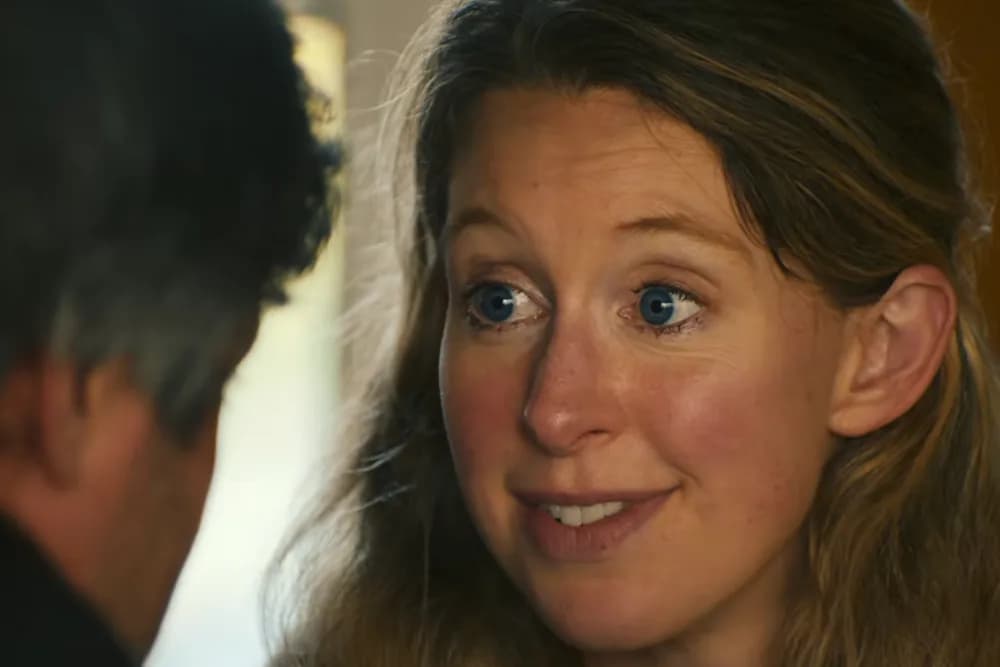
You Can See Everything isn’t a documentary. Not really. It’s a three-hour mirror held up to the act of watching, believing, and judging — especially when the subject is Elizabeth Holmes, standing in her kitchen on the eve of prison, telling Nathan Fielder she’s never lied. A24’s latest isn’t about Theranos. It’s about how we see people. How we think we see them. And whether that matters at all. The film begins with access: thirty days before her sentence starts, Holmes grants Fielder and Lance Oppenheim full, unfiltered entry into her life. No script. No edits. Just her, her partner Billy Evans, who posts as her on X. And the quiet hum of a house that still feels like a stage. She insists she’s truthful. Fielder pushes. She doesn’t flinch. But what if truth isn’t a statement? What if it’s a lens? He shows her “Who’s on First?” and she stares blankly. Is she lost? Or is she playing? The film leans into that question, not to solve it, but to let it rot. Then, at 90 minutes, Holmes walks away. Into prison. The camera stays. And so does the story. But now, Fielder has help. An unnamed third party steps in. Someone who wasn’t in the original agreement. Their input reshapes the film. Blurs the line between fact and fiction. Turns the doc into something else entirely. JoBlo calls it revolutionary. That might be overstating it. But it’s undeniably bold. This isn’t a portrait of a fraud. It’s a study of perception. Of power. Of how even the most damning evidence can be reframed by someone who refuses to admit they’re wrong. Fielder’s presence, awkward, curious, almost vulnerable. Makes you wonder: is he being manipulated? Or is he just another believer? The film doesn’t answer. It asks. And then asks again. It runs long. Three hours. But every minute feels necessary. Because this isn’t about what happened. It’s about why we keep asking. And why we keep needing answers. You Can See Everything lands in select theatres this Friday. No streaming date yet. But the conversation? That’s already started.
 Photo via JoBlo.com
You Can See Everything: The Documentary That Breaks the Rules Before You Realise It Has
A24's You Can See Everything isn't a documentary. It's a three-hour mind game about belief, lies, and the moment a woman says she’s never lied—and no one knows if she’s lying.
In this story
Live site hype
around 1 reading right now · 81 today
Reported from
This article was written by the CutMirchi desk from the reporting above. Facts are attributed to their original publishers.
Read next
You Can See Everything: Fielder’s Elizabeth Holmes Doc Hits UK Theatres in November
A24 has set November 20 as the U.K. release date for Nathan Fielder and Lance Oppenheim’s Elizabeth Holmes documentary 'You Can See Everything', following its surprise premiere at Telluride. The film, which captured Holmes in the weeks before her 11-year prison sentence, will open in U.S. theaters on October 16.

A24's Elizabeth Holmes Doc Sells Out Alamo Drafthouse
You Can See Everything is already selling out at Alamo Drafthouse — and not just because it’s a doc about Elizabeth Holmes. The A24 documentary, directed by Lance Oppenheim and Nathan Fielder, has hit record presales for any film in the chain’s history, trailing only Avengers: Doomsday in ticket demand.

You Can See Everything: Elizabeth Holmes’ Believers Rally Outside Screening With Claimed Tech Breakthrough
At the NYFF screening of 'You Can See Everything,' a 'Free Elizabeth Holmes' group passed out flyers. Their leader: Ryan ElHosseiny, who claims he rebuilt Theranos tech from trial evidence. He says it works. No one else has confirmed it. But he’s convinced. So are 346 people who signed his petition. And maybe, just maybe, the doc’s audience.

A24 Trailer Puts Nathan Fielder With Elizabeth Holmes
‘You Can See Everything’ drops a new trailer showing comedian Nathan Fielder shadowing Theranos founder Elizabeth Holmes during her last free days. The A24 documentary, 174 minutes long, premiered at Telluride and is slated for an Oct 16 release, promising a strange, immersive look at the disgraced tech icon.
Be the first to comment
Join the argument. No password, just your email or a passkey.