The Barbarian and Weapons director says his new zombie thriller skips the franchise lore entirely, built instead as a real-time chase with Austin Abrams unrecognisable in the lead.
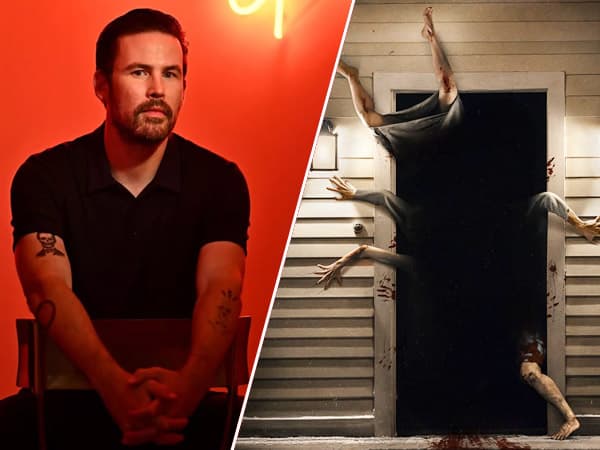
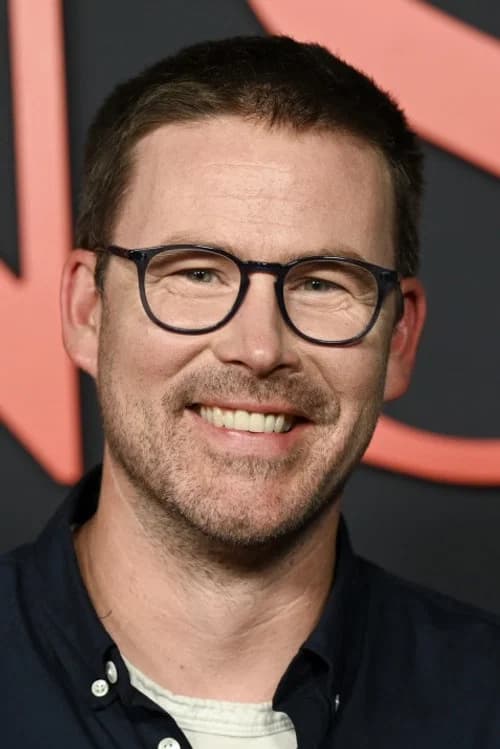
Zach Cregger wants you to forget everything you think you know about Resident Evil. No lore, no decade of games to catch up on, no homework.
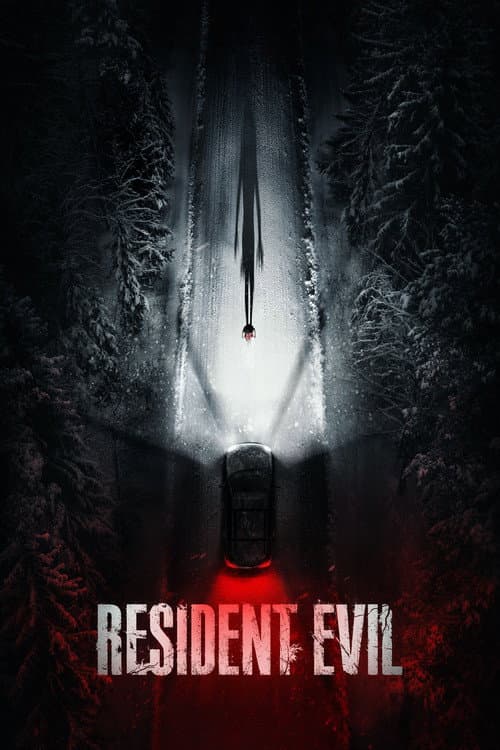
The director behind Barbarian and last year's Weapons has been talking to Filmfare about his new film, and the pitch he's selling is disarmingly simple. A medical courier played by Austin Abrams is moving a package between hospitals when the night goes very wrong. He ends up in the middle of a zombie outbreak. That's it. That's the whole setup.
What's interesting is how far back this script goes. Cregger wrote it before Barbarian even existed, at a point when he had zero directing credits to his name and, by his own admission, approached it "in a very carefree way." Somewhere between finishing the draft and finishing Barbarian, he decided he had to be the one behind the camera for it. So he pushed for it, and got it.
Don't expect the structural games that made Weapons so talked about. Cregger says he deliberately avoided narrative trickery this time. The story is linear. The inciting event lands around the six or seven minute mark, and from there it's meant to run without a breath until the credits.
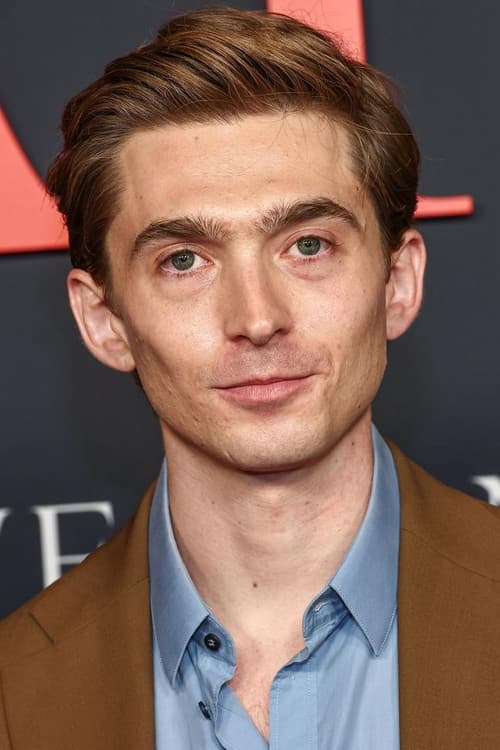
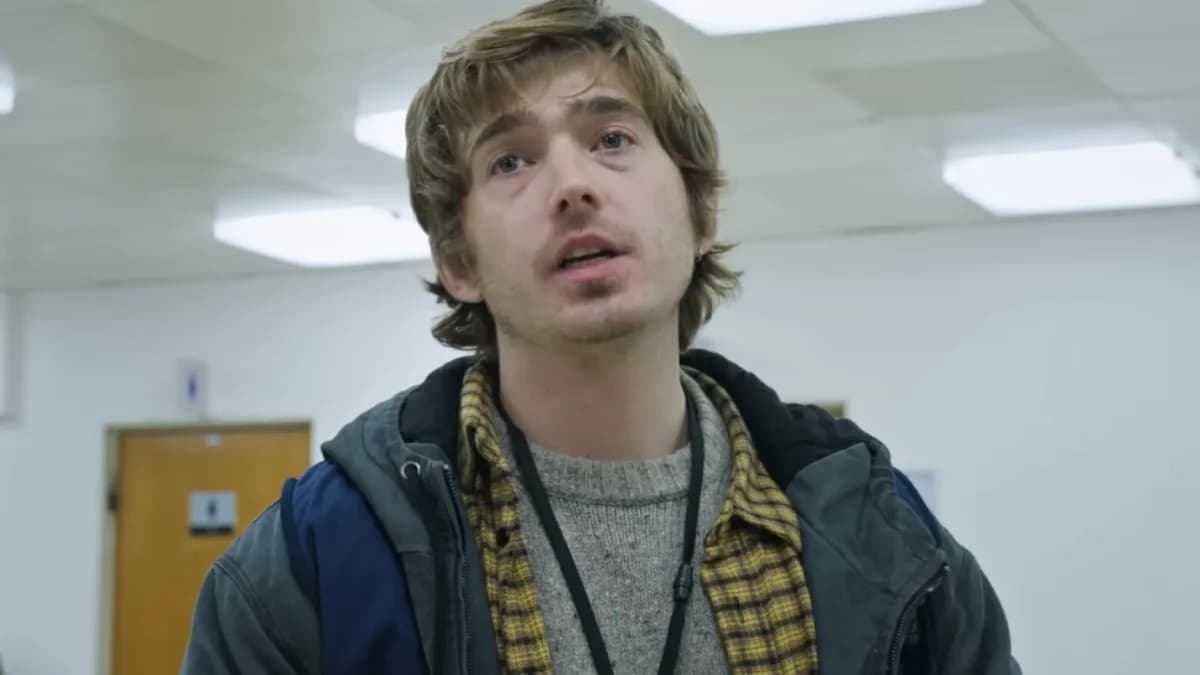
Austin Abrams, who Cregger worked with on Weapons, anchors the film, and the physical transformation is the kind of detail that tends to travel. For Weapons he dropped weight to play an addict. For this one he packed on pounds, going for what Cregger calls a "cuddly teddy bear" look, unarmed and out of his depth, someone with zero combat experience thrown into a horror pit fight. Cregger's reference point was Marty McFly dropped into carnage he has no business surviving.
The supporting cast stays deliberately thin. Paul Walter Hauser turns up as an Umbrella Corporation employee who fills in some of the mission's backstory, and Kali Reis has what Cregger describes as a brief but memorable stretch. He's also teasing "familiar faces near the end" without naming names.
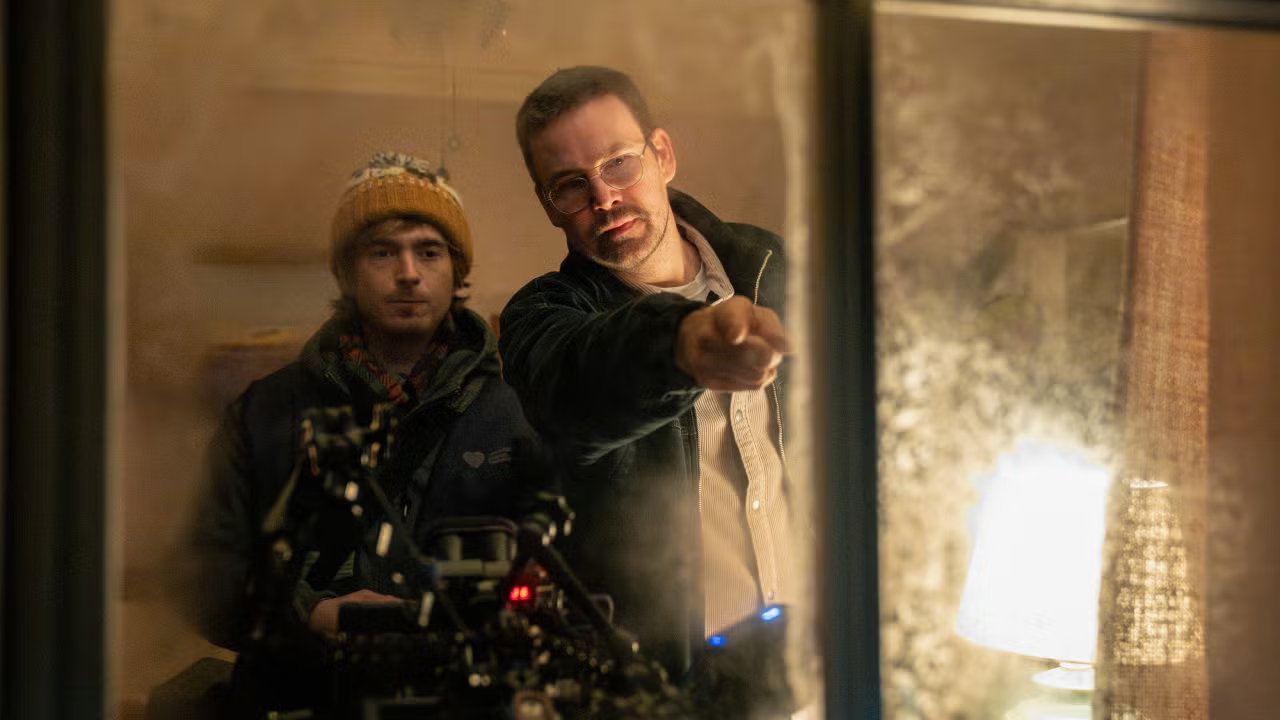
On the technical side, Cregger leaned hard into a camera language borrowed straight from the games, fluid but locked to Abrams' point of view, toggling between first person and an over-the-shoulder third person that keeps the audience tethered to him at all times. He points to László Nemes' Son of Saul as the film that first showed him what hyper-subjective camerawork could do.
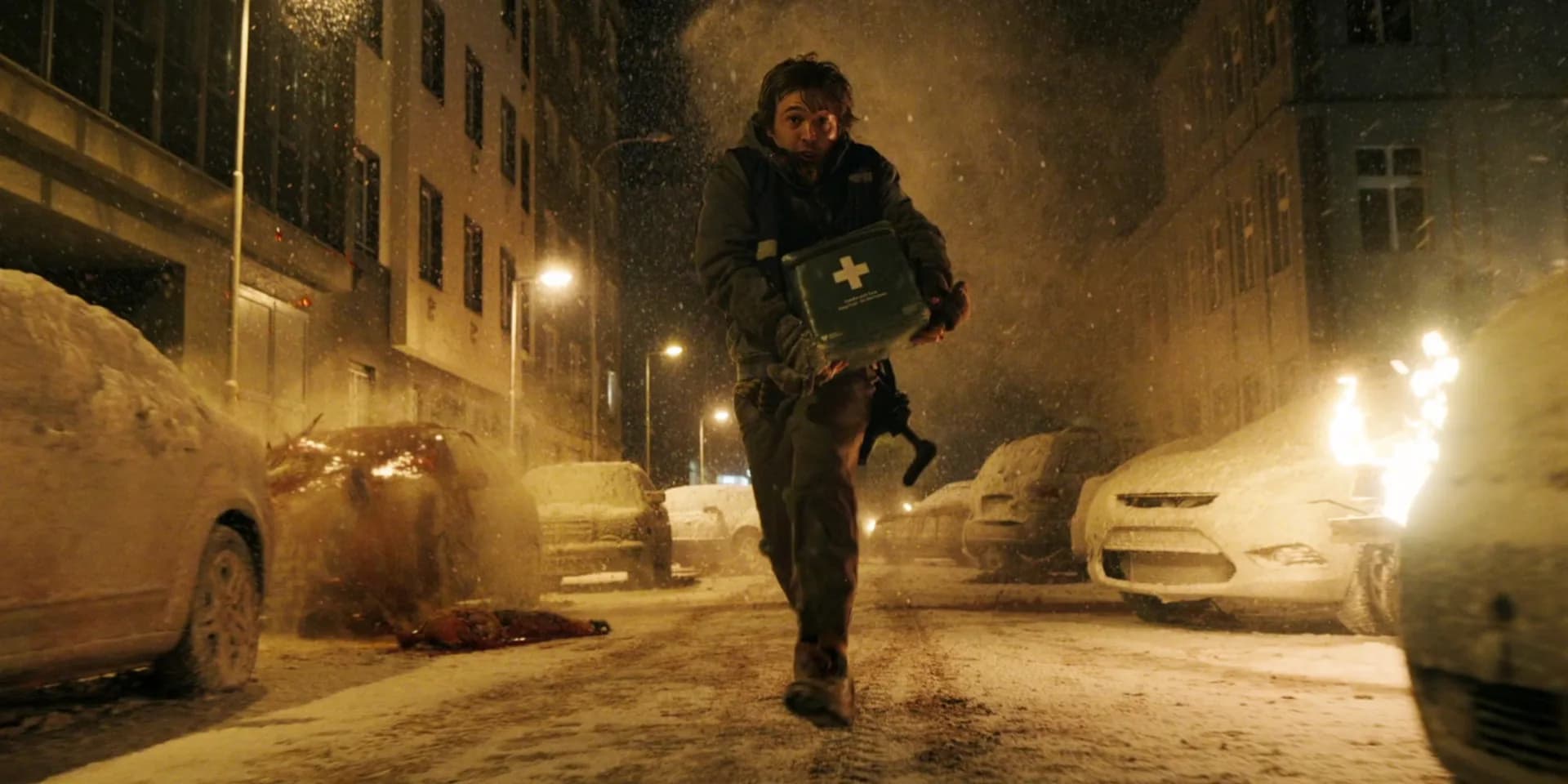
He's also proud of keeping the effects as physical as possible. One sequence has zombies leaping off six-storey rooftops around Abrams as he runs down a street, and Cregger says the production rigged cranes with 150-pound blood bags timed to detonate against parked cars as he passed, with digital work reserved mainly for sweetening the splatter rather than building the moment from scratch.
The whole shoot took place across a single snowy night, which meant months of 3pm wake-ups, all-night shoots and sleep by 7am. Cregger calls it the hardest part of the job, harder than any of the stunt work.
No India release date has surfaced yet, though the film was shot with IMAX projection in mind, and Cregger name-checks The Odyssey as proof the format still has an audience primed for it.

Be the first to comment
Join the argument. No password, just your email or a passkey.