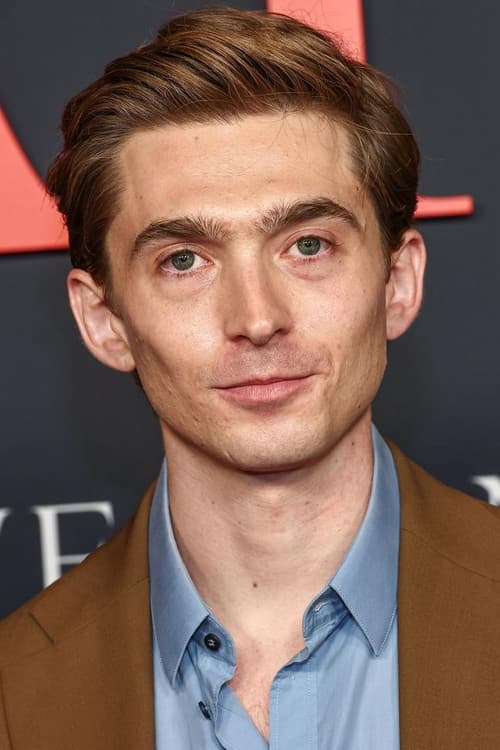
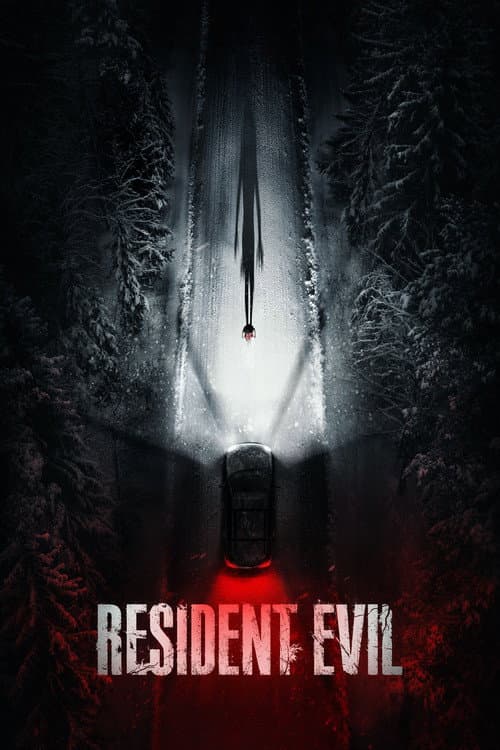
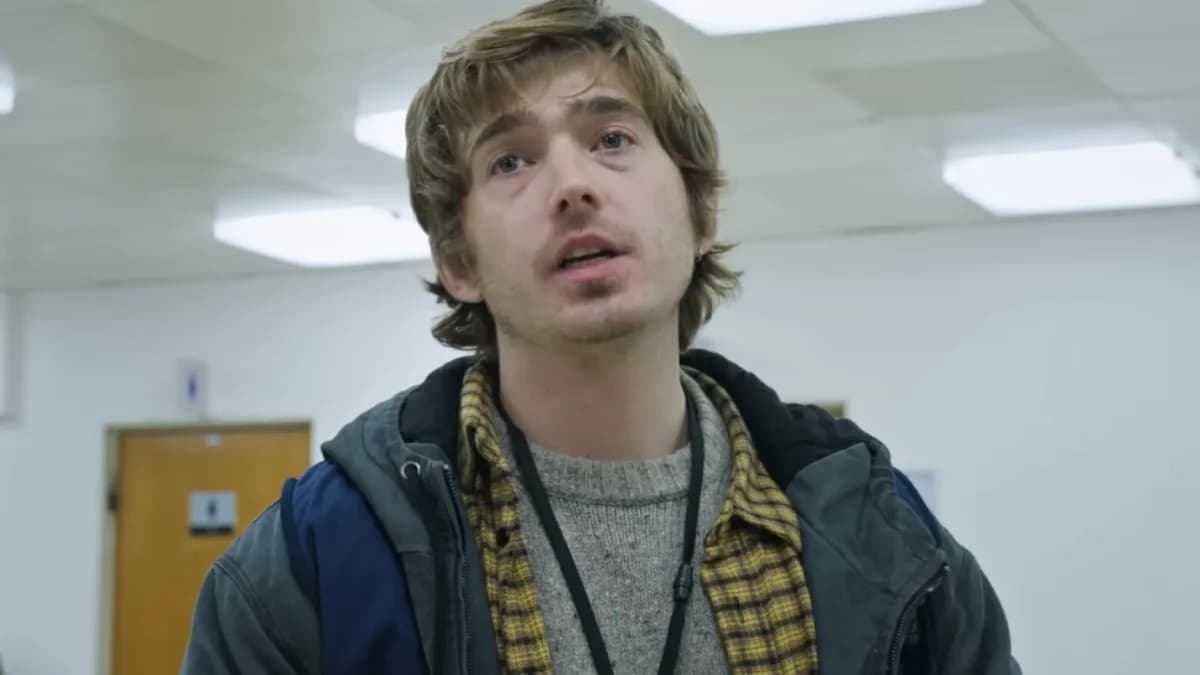
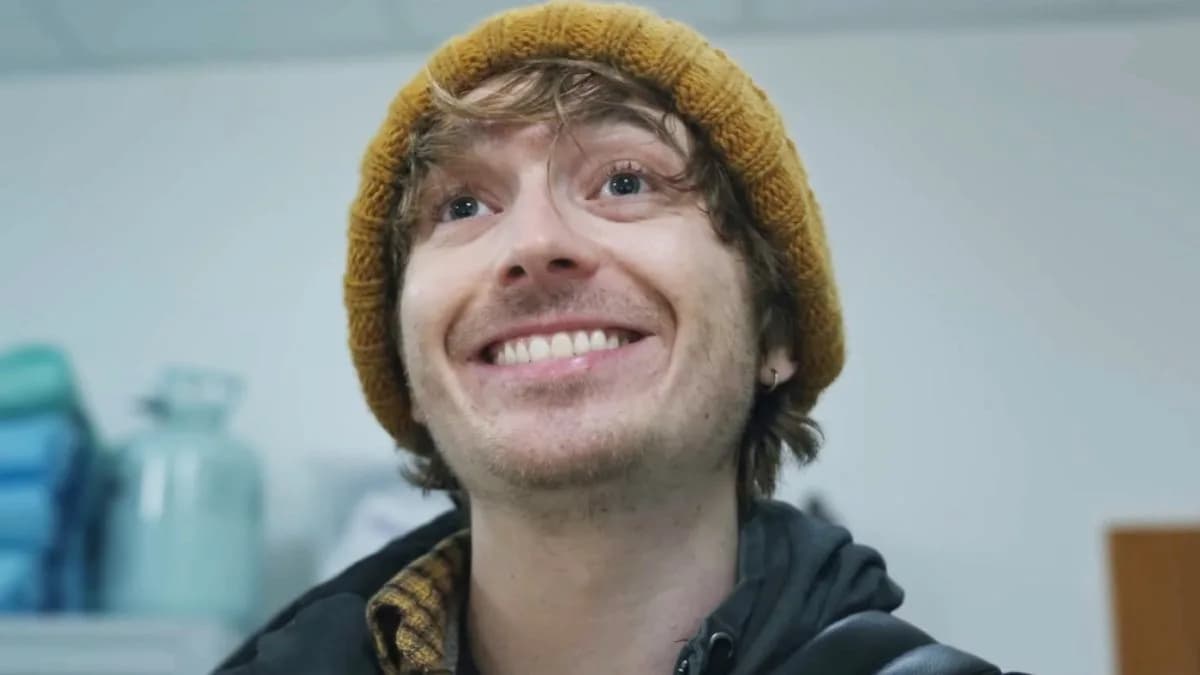
The $75 million reboot starring Austin Abrams is tracking past $50 million domestic in its first weekend, a number no prior Resident Evil film has come close to touching.
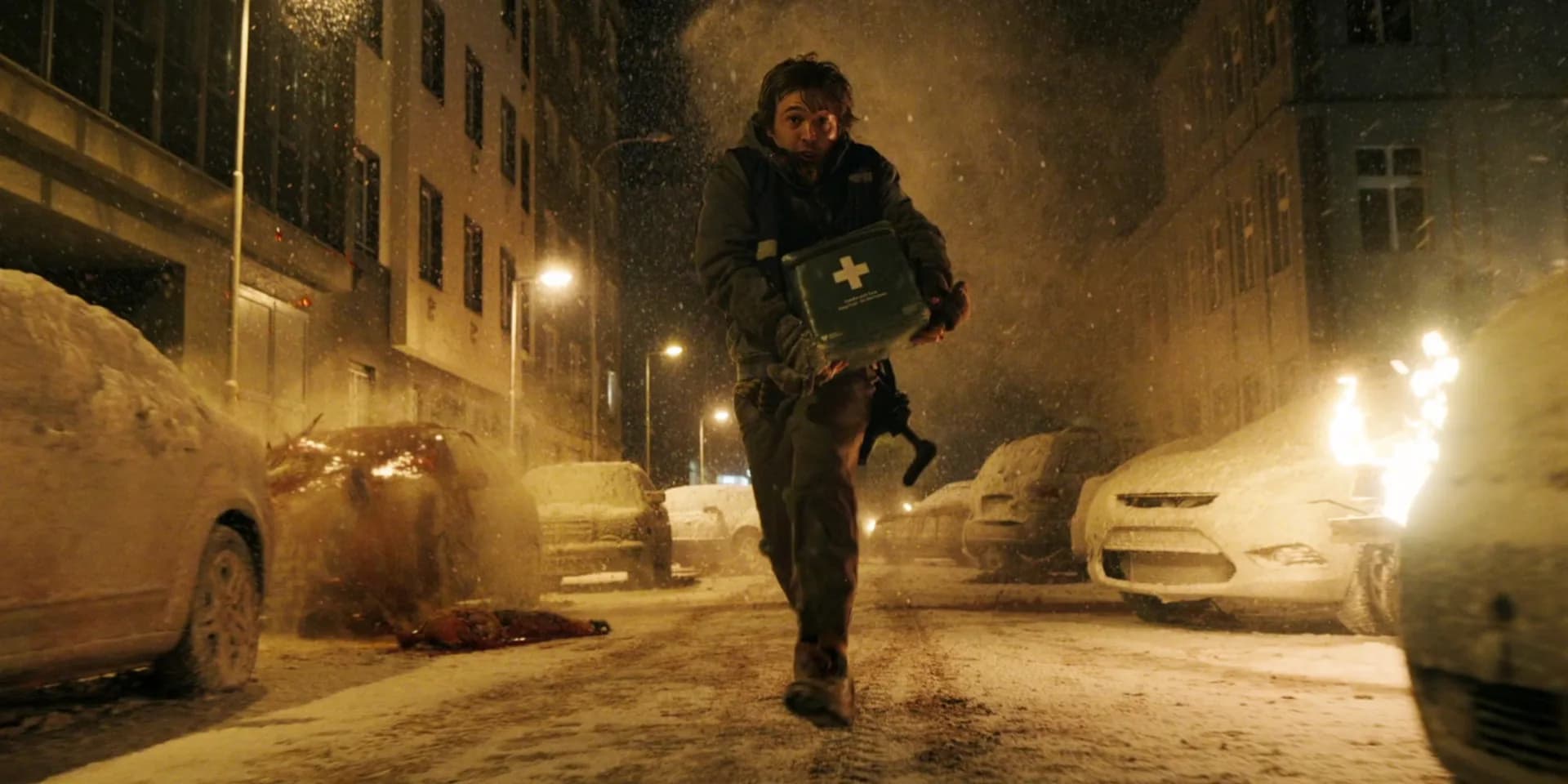
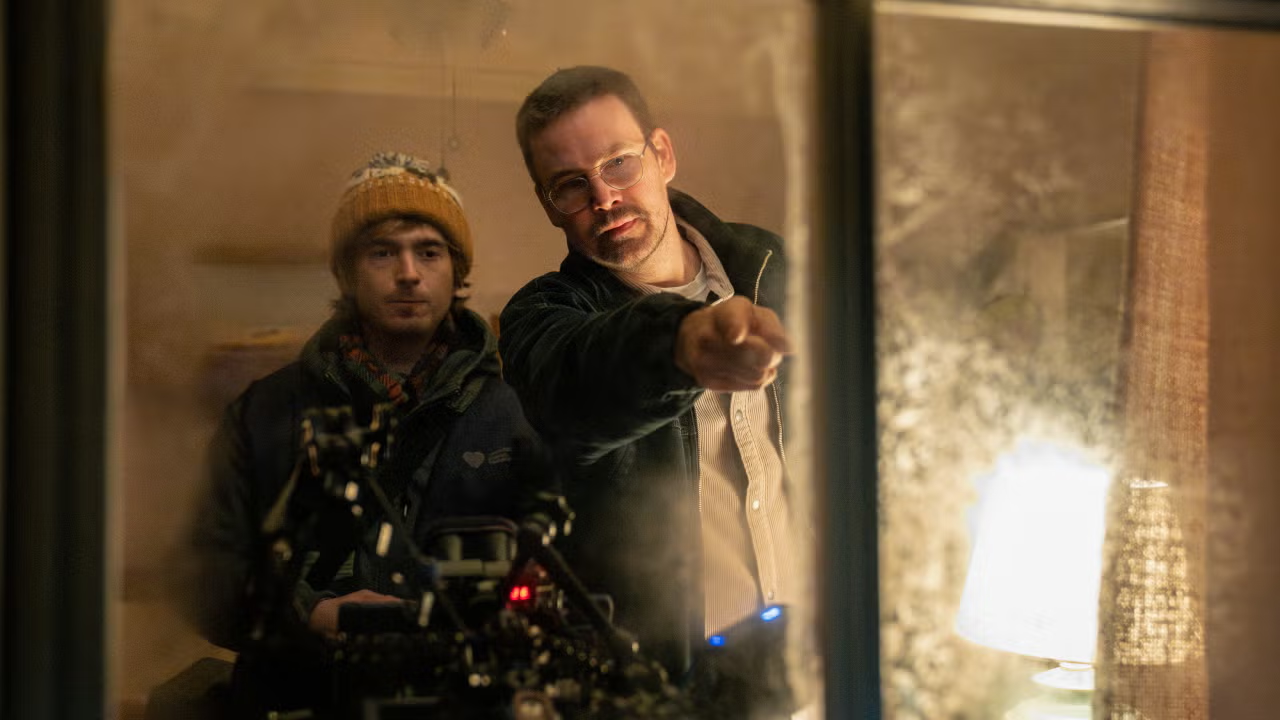
Zach Cregger's Resident Evil reboot is on track to pull in over $50 million domestically in its opening weekend, roughly double what any previous film in the franchise has managed on debut, according to trade estimates cited by Collider. The film, starring Austin Abrams, was made on a reported $75 million budget.
That's real money for a horror title, but the returns look proportionate. The reboot currently sits at a Certified Fresh 96% on Rotten Tomatoes. The site's critics consensus calls it "a propulsive tribute to the pleasure and terror of playing a truly spooky video game," crediting Abrams' comic timing for keeping the scares from getting exhausting.
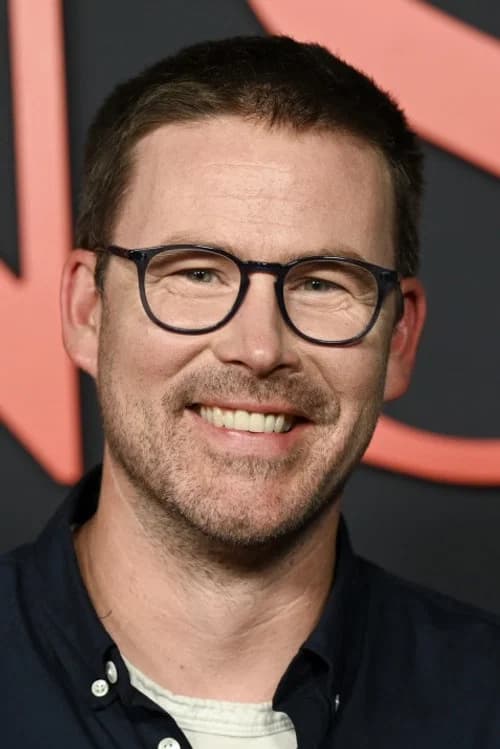
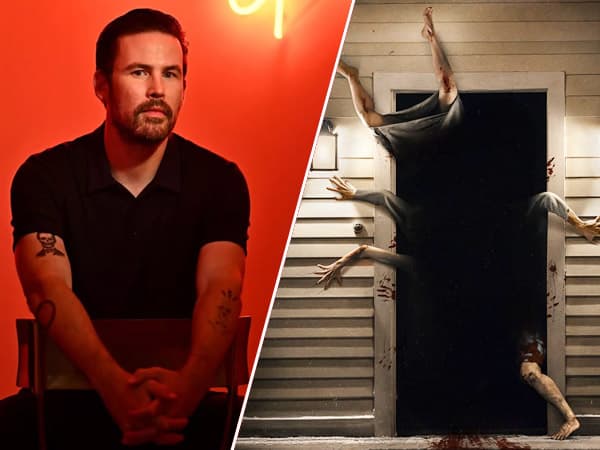
A director on a run
Cregger didn't need this to prove anything. He broke out with Barbarian in 2022, a film that made nearly $50 million globally off a fraction of that in production costs. He followed it with Weapons, which won an Oscar and grossed $270 million worldwide against a budget under $40 million. Taking on a long-running, critically unloved video game franchise looked, on paper, like a strange next move. It isn't looking that way now.
The last time Resident Evil hit screens in reboot form, 2021's Welcome to Raccoon City, it made money but landed with a thud critically. Cregger's version appears to have fixed both problems at once, turning a franchise defined by decent box office and rough reviews into something critics actually like.
Horror's very good year
Zoom out and this is one entry in a genre having an outsized 2026. Obsession and Backrooms, two films that came out earlier this year, have together crossed close to $1 billion worldwide against a combined budget of around $10 million. Curry Barker directed Obsession before moving on to his own franchise gig, an upcoming Texas Chain Saw Massacre installment, a similar arc to Cregger's own path from acclaimed original to franchise custodian.
What that pattern suggests is a genre where studios are handing serious horror filmmakers actual franchise real estate instead of treating reboots as brand-management exercises. It's working. Resident Evil has existed as a film property since 2002 and has rarely been spoken about in the same breath as awards buzz or director-driven prestige. This weekend changes that math, at least for now.
The obvious question is what a studio does with a hit this size. A sequel commitment would be the standard move, though nothing has been announced. For now, the number that matters is the one from this weekend, and it's already rewritten what a Resident Evil opening looks like.
Be the first to comment
Join the argument. No password, just your email or a passkey.