David Zaslav walks away from Warner Bros. Discovery with $606 million — and the company’s board is still reeling. The former CEO, whose tenure ended with the Oct. 6 merger of WBD and Paramount Skydance, has been paid out in full for his stake in the new entity, Skydance Media. The SEC filing confirms the total: $224.4 million in sold shares, $381.7 million in exercised stock options. That’s not a typo. Not even close. It’s more than most studios make in a year. And it comes just days after shareholders rejected his golden parachute in a non-binding vote, a symbolic slap that didn’t stop the payout. The deal structure was tight: Paramount paid $31 per share to WBD holders, plus a ticking fee of 25 cents a day until closure. By October 6, that added up. Zaslav had already offloaded $195 million in stock through a Rule 10b5-1 plan. Including $114 million in March, $59 million in July, and $21.7 million in August. He wasn’t waiting. The numbers are staggering. In 2025, he made $165 million on a package that included a one-time stock grant tied to a failed split of studios and streaming. That plan collapsed when Netflix walked away from an $83 billion offer. Then Paramount stepped in with $110 billion, a superior bid that forced WBD to merge instead. Zaslav’s final compensation isn’t just about money. It’s about timing. Had the deal closed in March, he could’ve claimed a $335 million tax reimbursement. Pushing his total to nearly $900 million. But IRS rules penalize delays. So he got less. Still, he’s among the highest-paid execs in media history. Others aren’t far behind. CFO Gunnar Wiedenfels gets $2.14 million, Bruce Campbell $2.95 million, JB Perrette $2.85 million, all bonuses tied to the closing. Perrette now leads TV and direct-to-consumer at Skydance. Gerhard Zeiler? Expected to leave. The company says Zaslav doubled employee equity ownership. Whether that counts as legacy or loot remains unproven. One thing’s certain: the man who once ran a struggling conglomerate is now walking into the next chapter with a war chest bigger than most film budgets. The question isn’t whether he’ll spend it. It’s what happens when the next wave of media consolidation hits. And who gets paid when the dust settles.
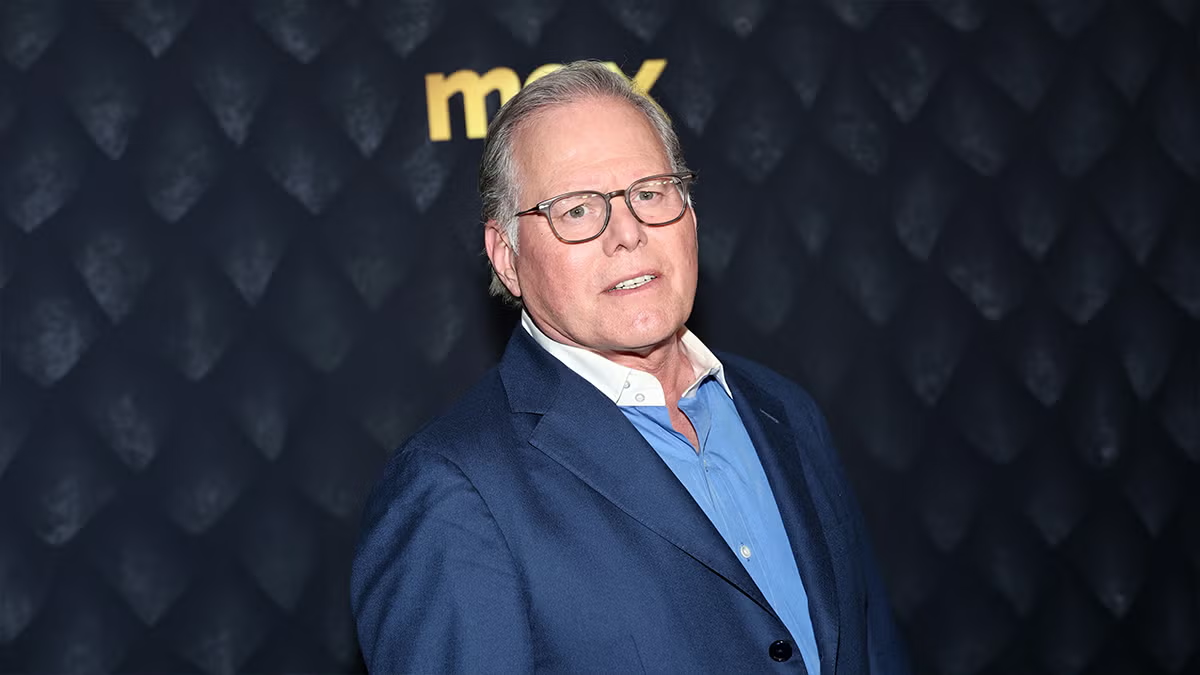 Photo via TheWrap
Zaslav’s Exit Pay: $606 Million From a Merger That Wasn’t Even His Idea
Zaslav exits WBD with $606M — and no one can say he didn’t cash in.
Reported from
This article was written by the CutMirchi desk from the reporting above. Facts are attributed to their original publishers.
Read next
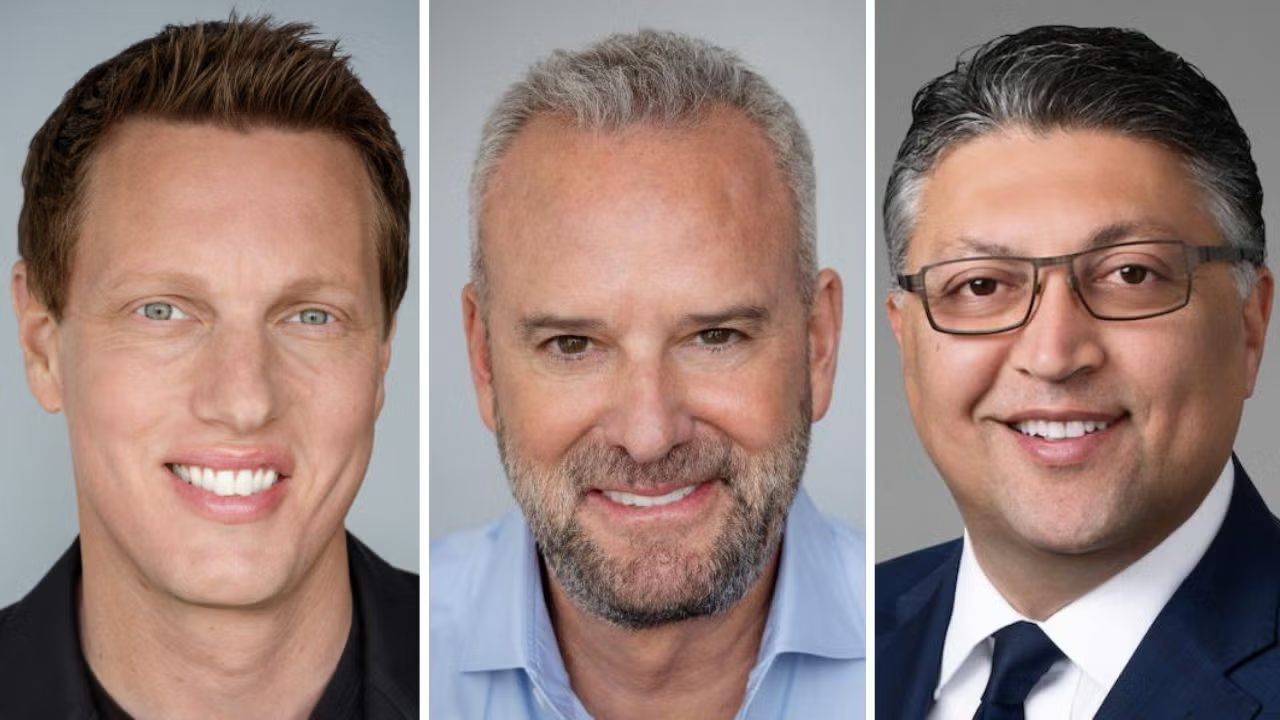
Skydance Execs Get Massive Pay Hikes After Merger, But Market Sinks
The new employment contracts come after the $110 billion Paramount-Warner Bros. Discovery officially closed on Tuesday. Class B shares of the company were also transferred to the New York Stock Exchange under the ticker SKYD.
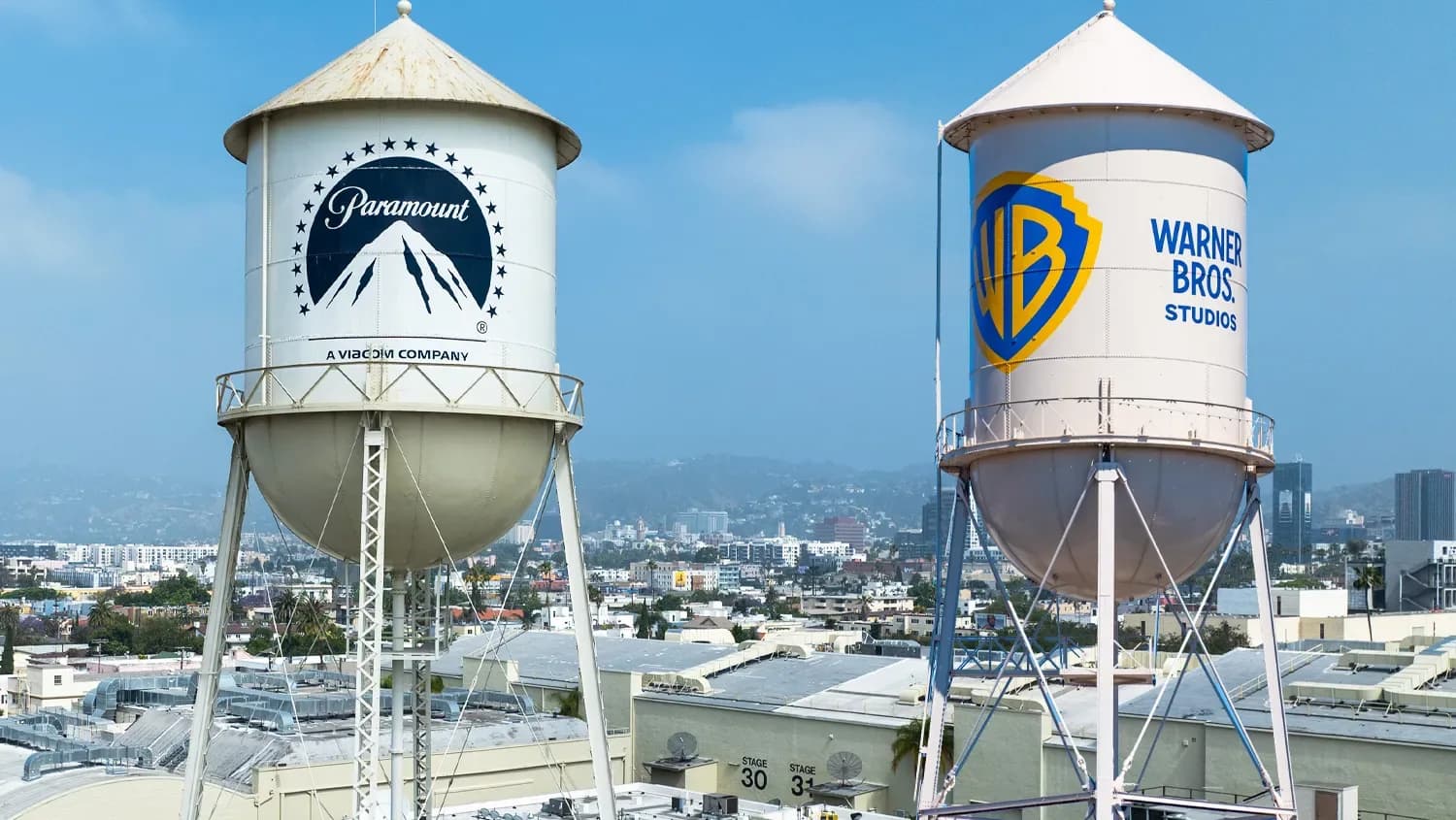
Skydance Confirms Paramount and Warner Bros. Lots Stay Open for Five Years
Skydance has confirmed that both the Paramount and Warner Bros. lots will remain operational for at least five years following the merger, with film likely based at Paramount and TV/streaming at Warner Bros. This reorganisation will require major executive moves, including from George Cheeks, Casey Bloys, and others. The decision follows a legal settlement with state attorneys general, but experts

Merger Done, Logos Stay — But What Happens Next?
Dana Goldberg and Josh Greenstein have promised that Paramount Pictures and Warner Bros. Pictures will continue operating separately under their own banners, preserving brand identities in the wake of the Paramount-Warner Bros. merger. Yet internal memos from David Ellison confirm layoffs are coming, raising questions about how long the independence can last.
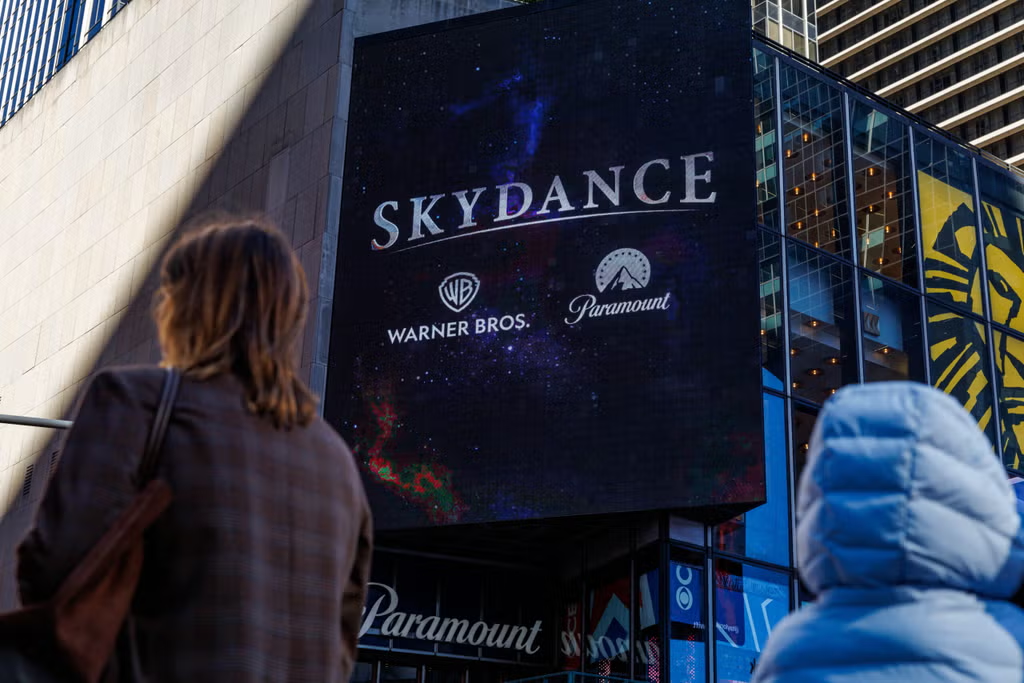
Skydance Slaps Logo On Warner Bros Tower Hours After Merger Closes
Skydance closed its $110 billion merger with Warner Bros Discovery on Tuesday and immediately began rebranding the Burbank lot, even as reports surface of coming layoffs and a longshot Supreme Court bid to block the deal.
Be the first to comment
Join the argument. No password, just your email or a passkey.