In a chat with trade analyst Komal Nahta, the singer-composer argued that social media has made it possible to manufacture box office buzz without a single ticket sold.
Adnan Sami has a theory about hits, and it isn't about music or box office charts. It's about who gets to decide what counts as one anymore.
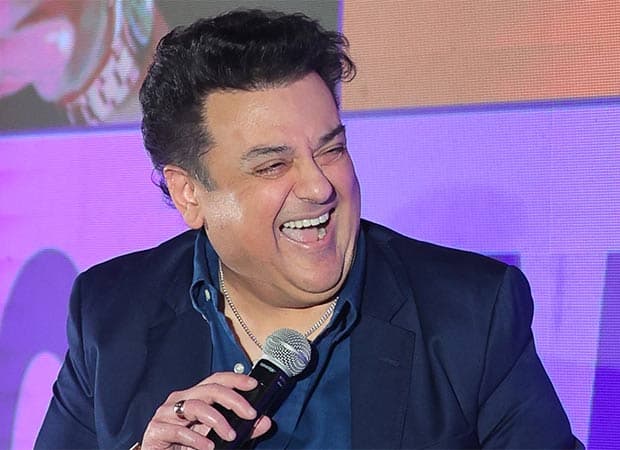
In a conversation with trade analyst Komal Nahta, carried by Bollywood Hungama, Sami was asked about social media and its effect on the industry. His answer went somewhere sharper than the usual gratitude-for-connectivity line. "You can suddenly 'have' a hit when you've not even got a single person in the theatre," he said. "Need I say more?"
He didn't name a film. He didn't name a studio. But the implication sits there anyway, plain enough for anyone who has watched a trailer's view count get treated as box office gospel, or a hashtag trend get mistaken for a full house.
Sami's larger point was about scrutiny, and who has the power to apply it. "Social media has revolutionized everything," he said. "There was a time when every individual did not have a voice or medium to amplify his voice." He went back to the era of composers lifting tunes wholesale, a practice he says used to stay contained to whispered conversations. "It did not go 'viral'," as he put it. Now it does, instantly, and everyone with a phone has turned critic. Some of them good, Sami joked, and some of them what he called "Tansen ki naajaayaz aulad", laughing as he said it, because the joke needed the laugh to land as a joke and not an insult.
He was careful to call it a mixed bag rather than a straightforward complaint. The upside, he said, is a direct line to the audience that didn't exist before, no gatekeeper in between. The downside is obvious to anyone who has spent time in a comments section. "You also have to deal with trolls," he said. "But as they say, haters will always hate." It's a shrug dressed up as a punchline, the kind performers reach for when they've made peace with something they can't control.
What's notable is where he lands the argument. This isn't a musician grumbling about bad reviews. It's a musician saying the entire system of measuring success has become gameable, that a number on a screen can now stand in for a queue outside a box office window. Bollywood Hungama didn't push him to elaborate on which release he might have had in mind, and he didn't volunteer one.
The interview arrives in a week when Sami has also been talking about the fight to get his song Lift Karadey released the way he wanted it, against a label that reportedly found it too down-market for six months. Read together, the two conversations paint someone increasingly willing to say out loud what artists usually only say in private, about labels, about algorithms, and now about what a hit even means when nobody has to show up to make one happen.



Be the first to comment
Join the argument. No password, just your email or a passkey.