In a new conversation with Komal Nahta, the singer says his record label called the song downmarket and wanted him to stick to romantic ballads instead.
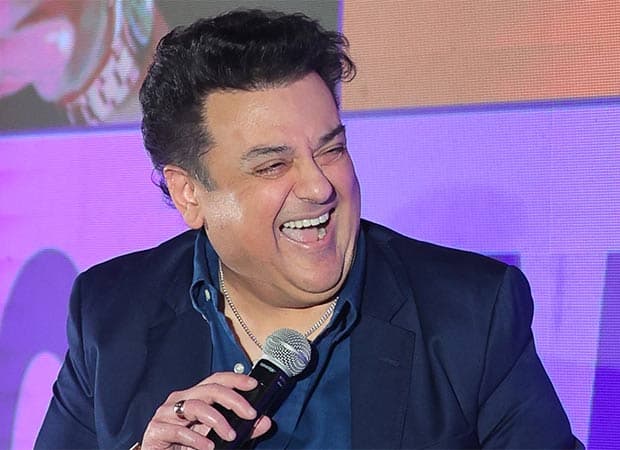
Adnan Sami's label didn't want "Lift Karadey" out in the world at all. That's the story he told Komal Nahta in a new conversation, and it's a good one: six months of arguing to release a song that ended up, by his own account, breaking him out of a fairly narrow lane.
The label's logic, per Sami, was simple arithmetic. Two songs were already out from that album, "Kabhi To Nazar Milao" and "Bheegi Bheegi Raaton Mein," both romantic, both hits. So the next single had to fit that mould too. "Lift Karadey" didn't. Sami says the label called it "downmarket" and told him, in his retelling, that he had "a sophisticated image of a romantic singer" worth protecting, one they weren't keen to gamble away.
Sami pushed back anyway. He says he told the label the song had real potential and that he didn't want to get trapped in one genre so early in his career. He invoked Mohammed Rafi and Kishore Kumar as his argument, singers who moved across styles without anyone questioning their standing.
He won that argument. And once "Lift Karadey" was out, Sami says it went, in his words, through the roof, turning into an anthem that outran the album, the era, and eventually the label's own expectations. The same executives who resisted it for half a year, he says, came back afterward asking for a remix.
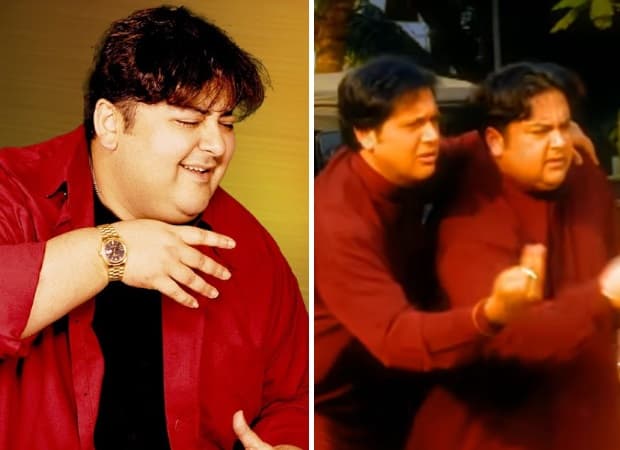
That's where it gets funnier. Sami says he refused a straightforward remix and pushed instead for what he calls a fun, cinematic tribute, a video built around Shatrughan Sinha, Asrani and Johny Lever, shot on a budget the label suddenly had no problem spending. Compare that to the original video, which by his account cost nothing to make, had no clearances from anywhere, and was shot in grabbed moments, dancing a few steps and running off before anyone could stop the crew.
That gap, nothing spent and fought for across six months on one side, money spent freely with no argument on the other, is really the whole story. Sami's own summary of it, as he put it to Nahta: "Lift Karadey" almost didn't happen at all, and it happened only because he refused to let a label's idea of his image win.
Whether the label's early resistance cost the album any momentum elsewhere is something Sami didn't get into in this particular conversation. But the song's long afterlife, still played, still remembered as the moment he crossed from ballads into mass reach, suggests the fight was worth picking.


Be the first to comment
Join the argument. No password, just your email or a passkey.