The 16th‑century chronicle Ain‑i‑Akbari notes the Mughal emperor’s first bite was a simple dairy item, a habit still common across Indian homes today.
The Ain‑i‑Akbari, a detailed account compiled by Abu’l‑Fazl during Akbar’s reign, records that the emperor’s very first mouthful at a royal banquet was either milk or curd. While the Mughal court boasted gold‑lined vessels and a hundred‑dish spread, the opening act of the meal was surprisingly humble.
From the royal pantry to the modern plate
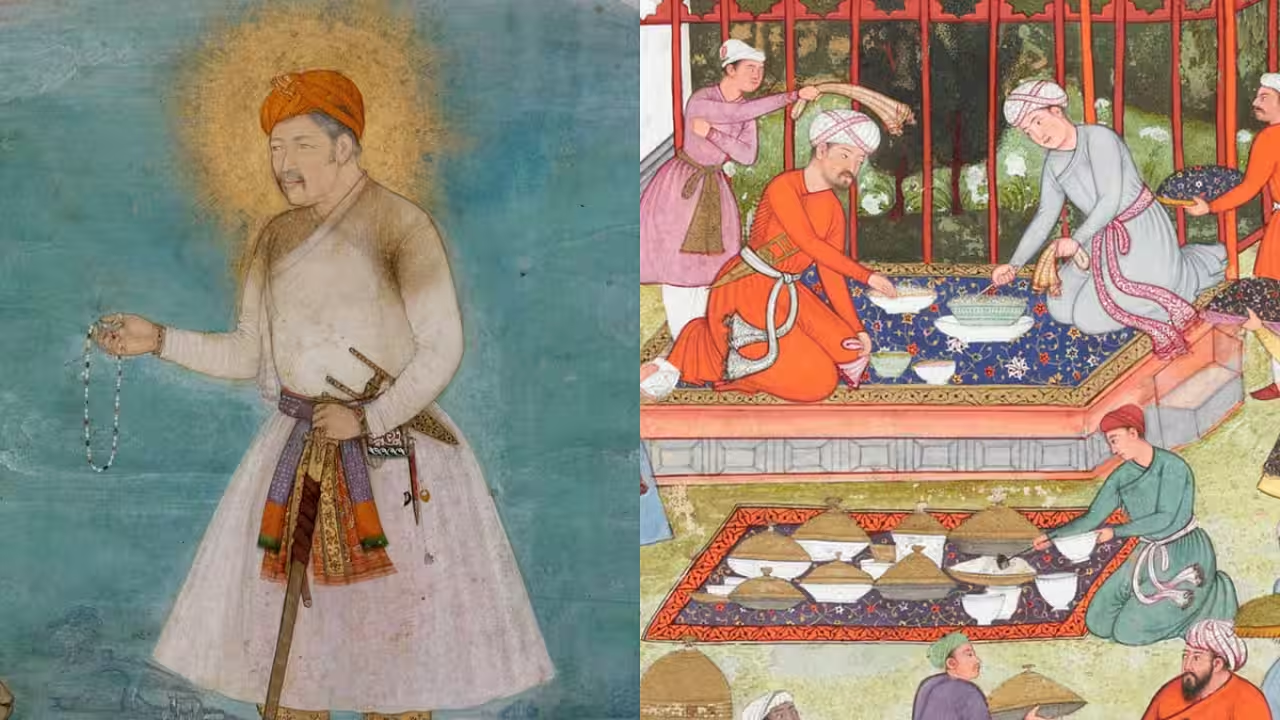
Mughal kitchens of the 1500s were engineering marvels – cooks juggled grains, greens, meats and sweets, serving everything in gold, silver or earthenware. Yet the text stresses that before the opulent courses arrived, the emperor tasted a plain dairy product. The Mir Bakawal, the official in charge of the imperial kitchen, oversaw the preparation, tasting, and sealing of dishes before they reached the dining hall. Alongside the main fare, the kitchen also dispatched bread, pickles, ginger, limes and fresh greens.
Curd, known locally as dahi, was not a luxury item in the Mughal era. Contemporary food studies point out that ordinary households paired rice, vegetables and curd in everyday meals, while wealthier families simply upgraded the serving vessels. The fact that Akbar chose the same starter as common folk points to a continuity in Indian food culture.
The same chronicle notes that the emperor ate only once in a 24‑hour period and stopped before feeling completely satiated, with no fixed clock dictating the meal time. This restraint, juxtaposed with the ability to summon a hundred dishes within an hour, paints a picture of disciplined indulgence.
Fast forward five centuries, and curd remains a staple on Indian tables. From plain curd rice seasoned with mustard seeds in the south to a simple bowl of sweetened dahi in the north, the dairy item still anchors many meals. The ancient record offers a fascinating glimpse into how certain culinary habits survive the rise and fall of empires.
Food historians say the Akbar anecdote highlights the durability of everyday flavors. While the grandeur of the Mughal kitchen has faded, the humble starter Akbar favored would feel right at home in a modern kitchen, whether served in a stainless steel bowl or a traditional earthen pot.
So the next time you scoop curd over steaming rice, you’re sharing a bite with a 16th‑century emperor who, despite his lavish banquets, began with the same simple comfort.




Be the first to comment
Join the argument. No password, just your email or a passkey.