The Hindu festival marks the ceremonial farewell to Lord Ganesha and the ritual tying of a 14-knot sacred thread devotees wear to honour Vishnu's infinite form.
Friday, September 25, is Anant Chaturdashi, the day Ganesh Chaturthi wraps up across the country. Idols go into rivers, lakes and the sea in the ritual known as visarjan, and devotees send Ganesha off with the belief he's headed back to Kailash, taking their troubles with him and leaving prosperity behind.
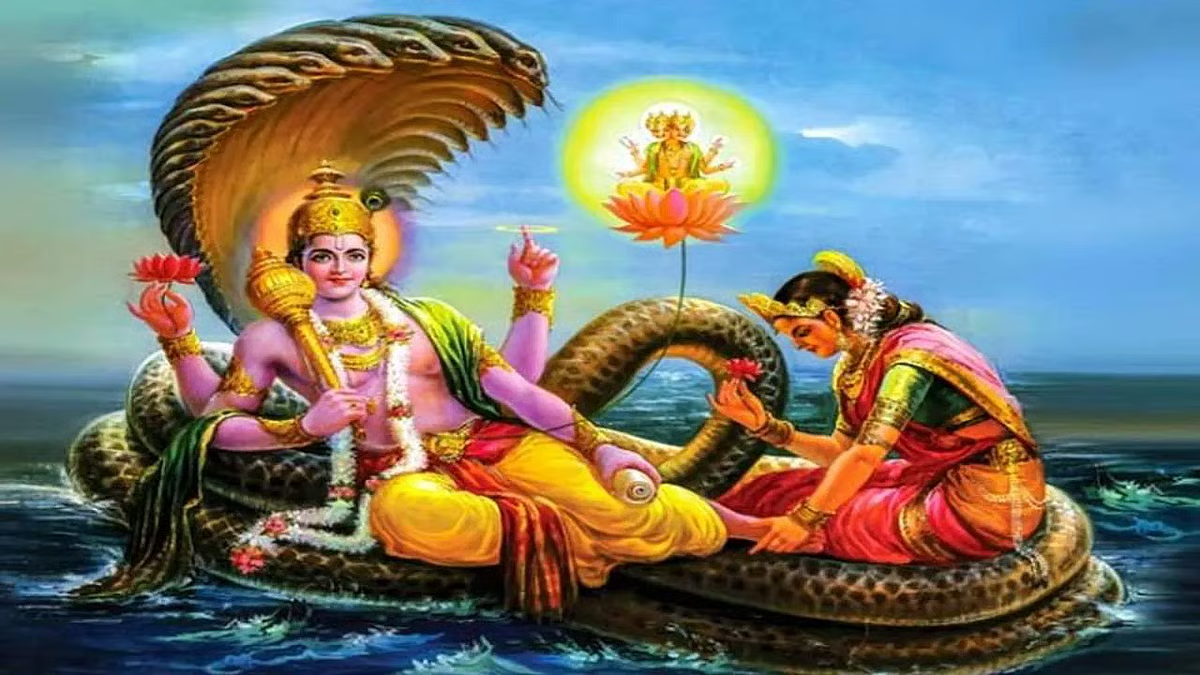
The day itself belongs to a different deity. Anant Chaturdashi is built around Vishnu in his Ananta form, the infinite one, and falls on the fourteenth day of the waxing moon in Bhadrapada. It's also called Anant Chaudas, and in a lot of households it's simply Ganesh Chaudas, because the two festivals end up sharing a calendar date even though they're not the same occasion.
The ritual that gives the day its texture is the Anant Sutra, a thread tied on the arm with fourteen knots. That number isn't decorative. It's tied to the fourteen lokas, the worlds of Hindu cosmology, and to fourteen forms attributed to Vishnu. Wearing the thread while praying is meant to be a small, physical act of commitment, faith and protection bundled into a piece of string most people won't take off for weeks.
The fourteen also shows up in how seriously some families take the vow itself. The Anant Vrat, the fast and prayer cycle around this day, is traditionally observed for fourteen straight years by those who take it up, though how strictly that's followed varies a lot by family and region. Nobody's enforcing it. It's a personal commitment more than a fixed rule.
Where the story comes from depends on who's telling it. One retelling centres King Harishchandra and his wife Sushila. Another, more commonly cited version, follows Kaundinya and Sushila instead. Both threads of the story land in roughly the same place — devotion to Ananta restoring prosperity and steadying a household that's lost its footing. The specifics shift with the region, which is fairly normal for a festival this old and this widely observed.
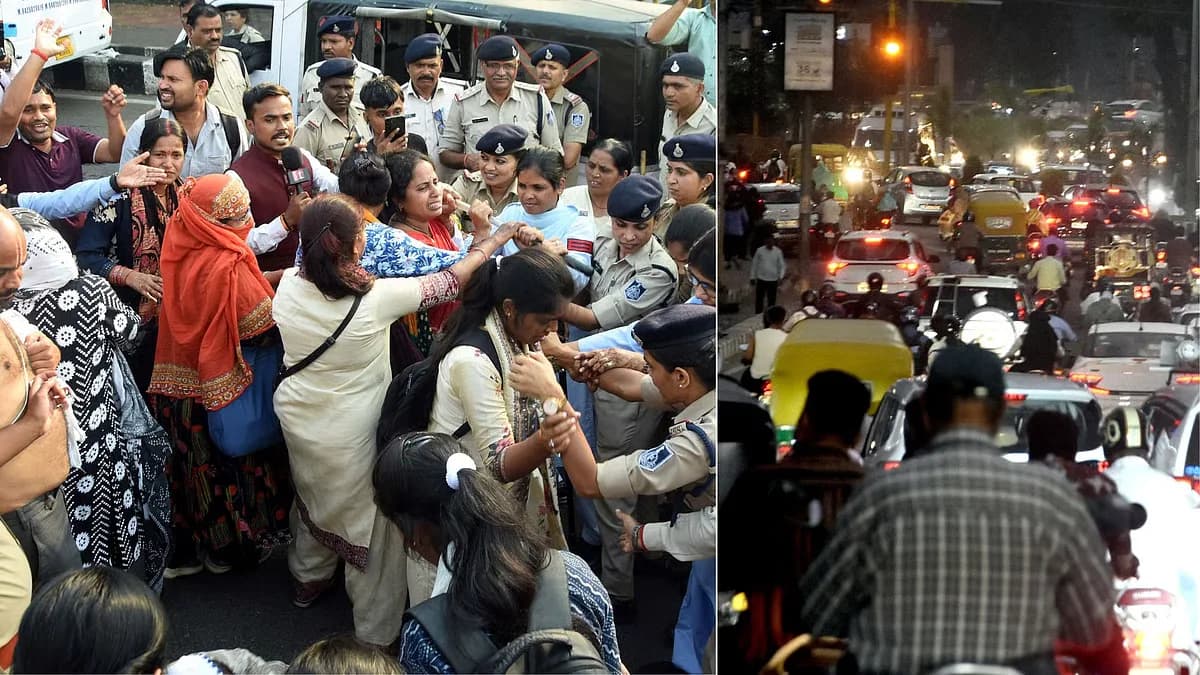
For most of urban India, though, today reads less like mythology and more like traffic. Immersion processions will move through Mumbai and other cities through the evening and into the night, drums going, crowds thick around the ghats and the coastline. It's the loudest, most public bookend to a festival that started ten days ago with a much quieter installation. By Saturday morning, the pandals will be empty and the city goes back to its regular rhythm until next year's Chaturthi.



Be the first to comment
Join the argument. No password, just your email or a passkey.