The new series reimagines the franchise with replicants in power and humans as oppressed, following a Blade Runner duo on a high-stakes mission.
A New Era for the Franchise
Amazon Prime Video’s 'Blade Runner 2099' drops today, marking the first live-action series in the iconic sci-fi saga. Set in 2099, the story unfolds decades after the events of Denis Villeneuve’s 'Blade Runner 2049', plunging viewers into a world where replicants have won a brutal war against humanity. Humans are now relegated to labor colonies off-world, while replicants govern Earth and rebuild its ravaged environment.
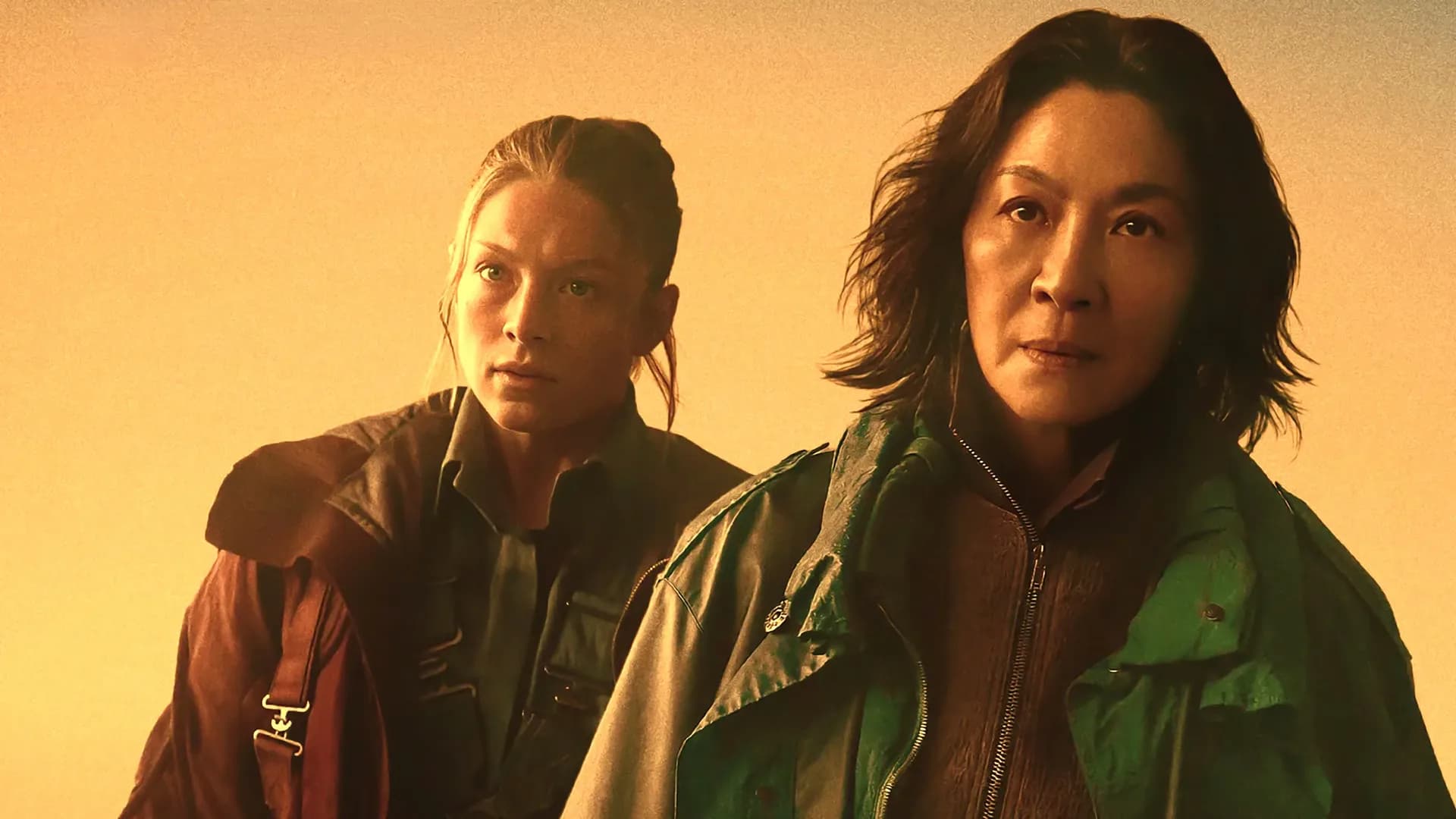
The series follows two central figures: Olwen, a Nexus-9 replicant Blade Runner played by Michelle Yeoh, who has only eight days left before her expiration date. She’s tasked with tracking down Marek Blau, a rogue Blade Runner she once worked with on Namaka Moon. Her partner? Cora, a human woman posing as a replicant, portrayed by Hunter Schafer. Cora’s mission isn’t just survival — it’s to steal a death mask of Eldon Tyrell, the creator of replicants, from a LAPD evidence locker.
Identity, Power, and Paranoia
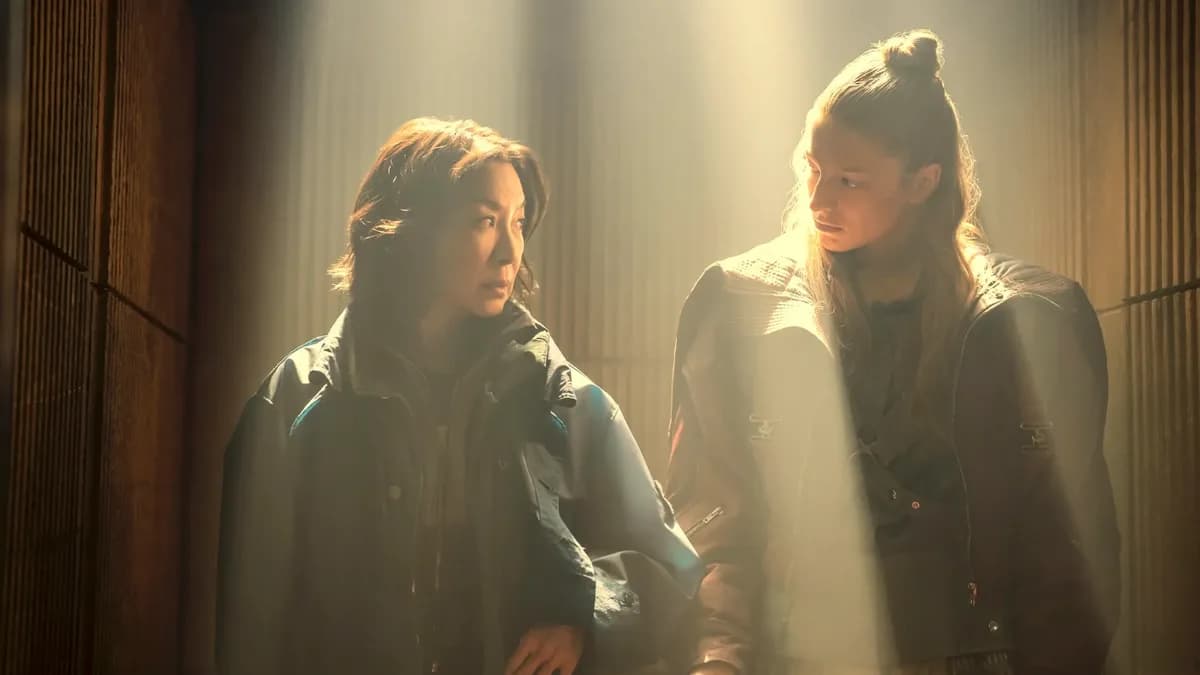
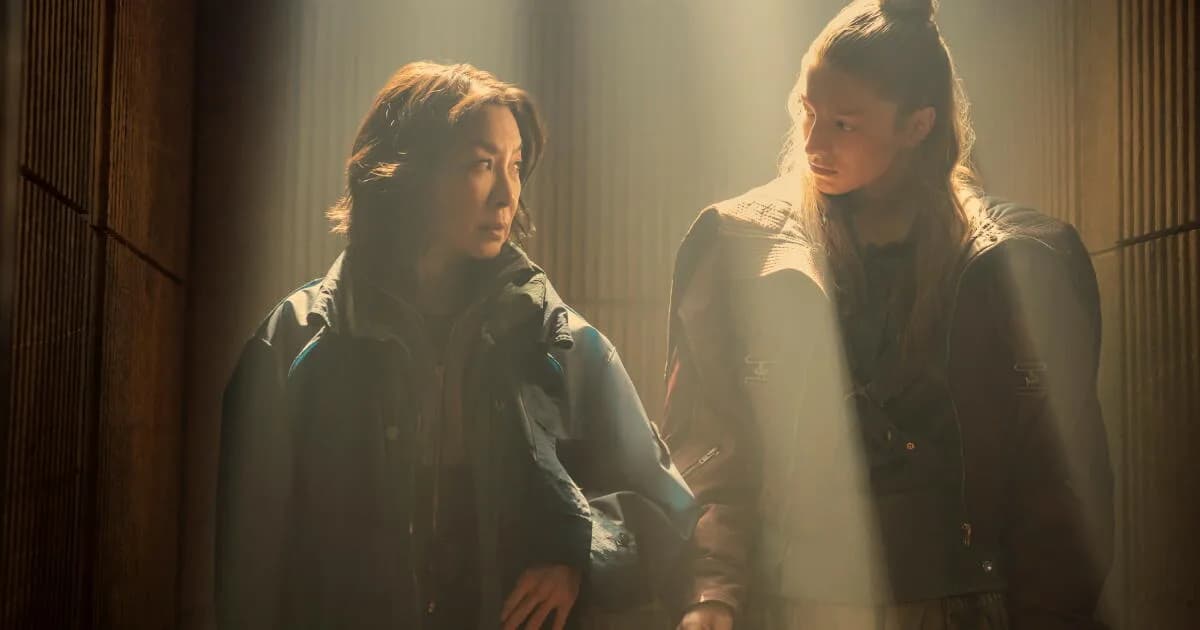
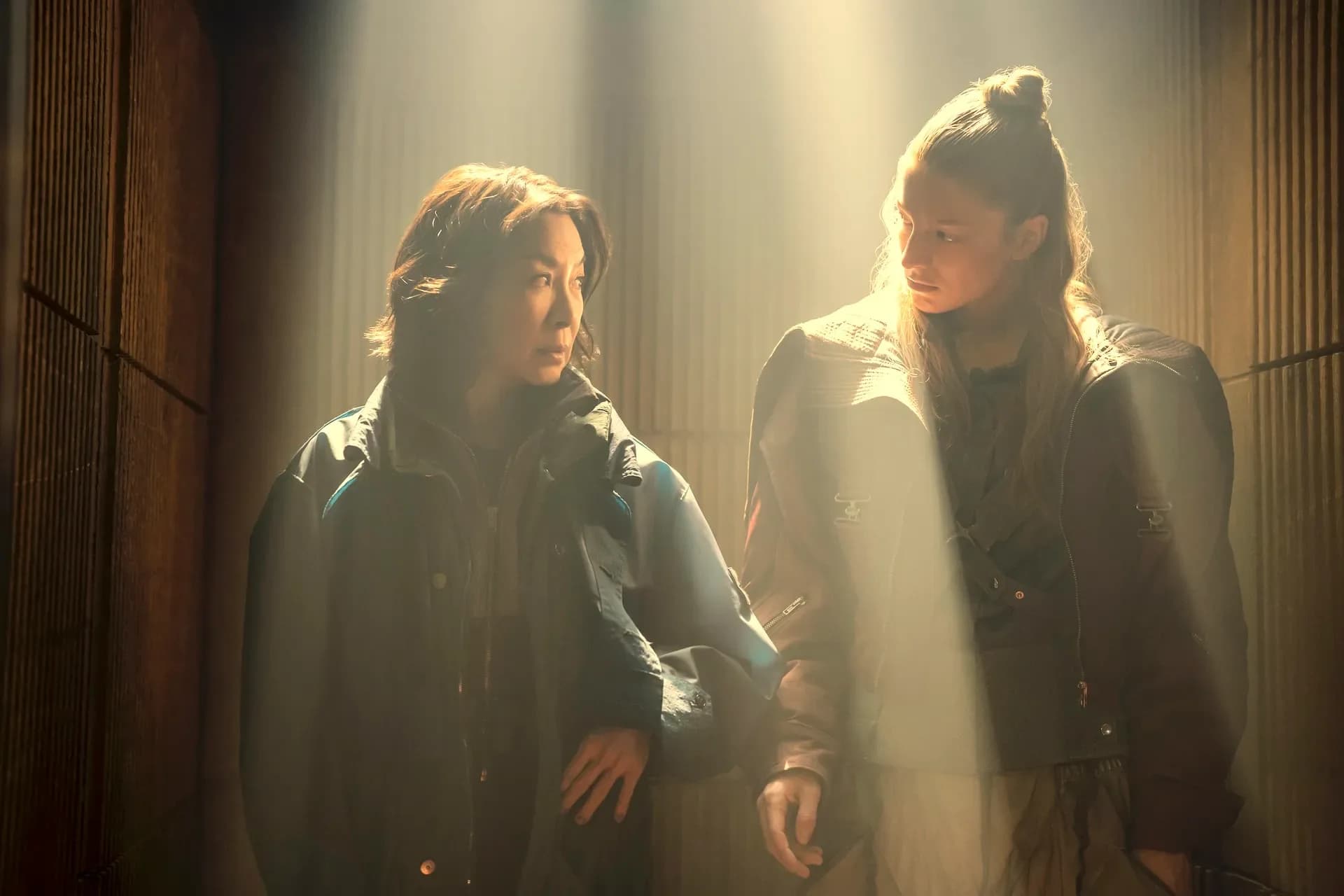
The dynamic between Olwen and Cora drives the season’s tension. Olwen, shaped by war and distrust of humans, sees them as flawed and dangerous. Cora, hardened by loss and driven by loyalty to her brother Elias, hides her true identity with cold precision. Their partnership is built on deception, Olwen doesn’t know Cora is human, and Cora must pass the Voight-Kampff test without flinching.
The show leans heavily into noir mystery, but it’s not just about solving crimes. It’s about who gets to define humanity. With replicants now in control, the role of Blade Runners has shifted. They’re no longer hunting rogue androids, they’re enforcing a new order. And when a group of rogue replicants begins spreading rumors of extended lifespans under a mysterious figure named Julius, the fragile peace cracks.
Legacy and Innovation
Showrunner Silka Luisa says the series wasn’t bound to repeat past formulas. Instead, she looked to Villeneuve’s 'Blade Runner 2049' as a blueprint: a sequel that evolved the mythos without copying it. 'We weren’t just beholden to repeating the same thing over and over again,' Luisa told /Film. That freedom allowed the team to explore radical shifts, replicants as rulers, humans as the hunted, and a Blade Runner whose final act might be redemption.
Critics are divided, but many praise the boldness. /Film called it 'the best sci-fi show in years.' Screen Rant noted the massive timeline jump, far greater than any previous entry, and how it reshapes the entire universe. The production values are undeniable: every frame feels expensive, layered, and careful crafted.
All eight episodes are live on Prime Video. For fans of 'Blade Runner 2049', this isn’t a retread. It’s a reinvention.




Be the first to comment
Join the argument. No password, just your email or a passkey.