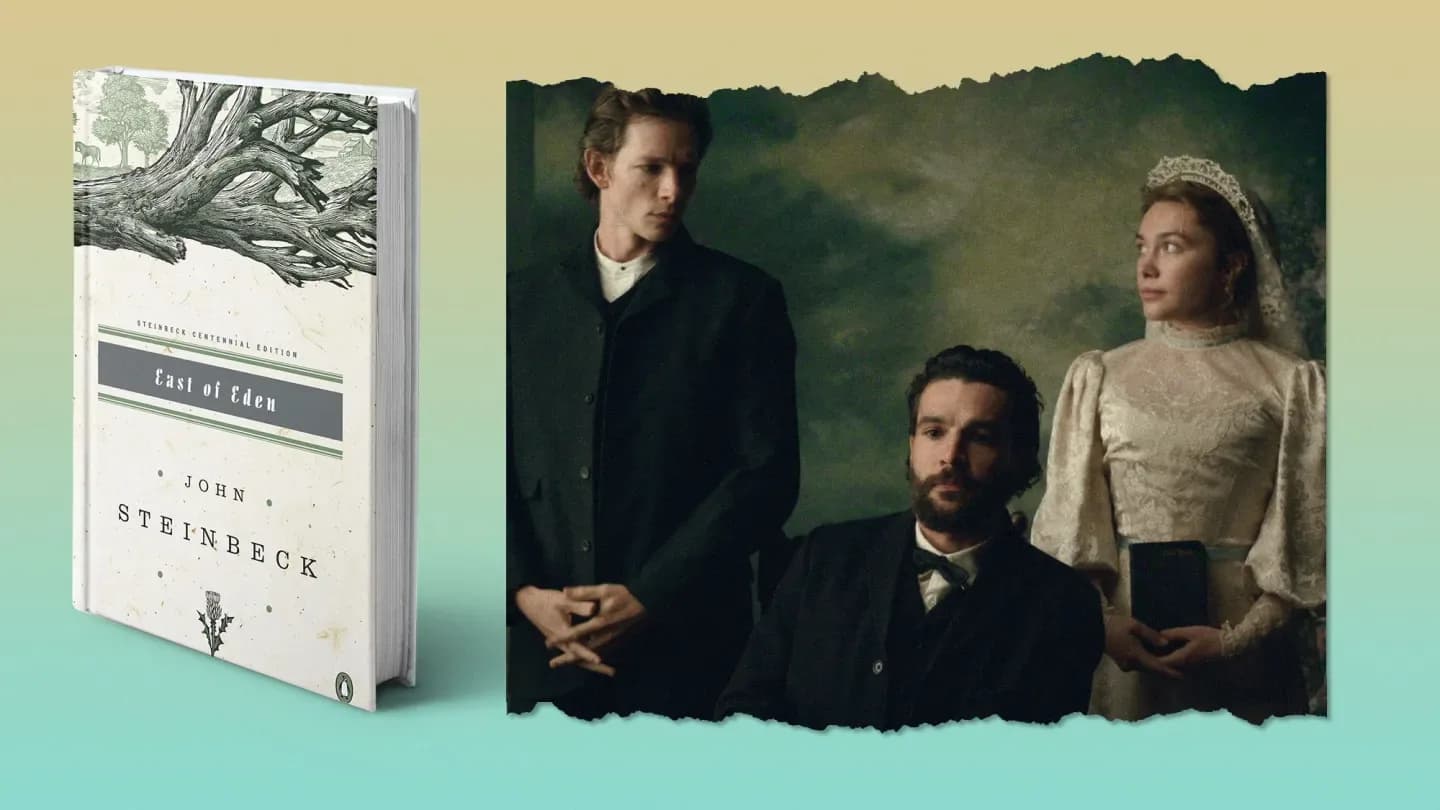
Netflix's new East of Eden isn't about Cain and Abel — it's about what happens when a woman is called a monster before anyone asks why.
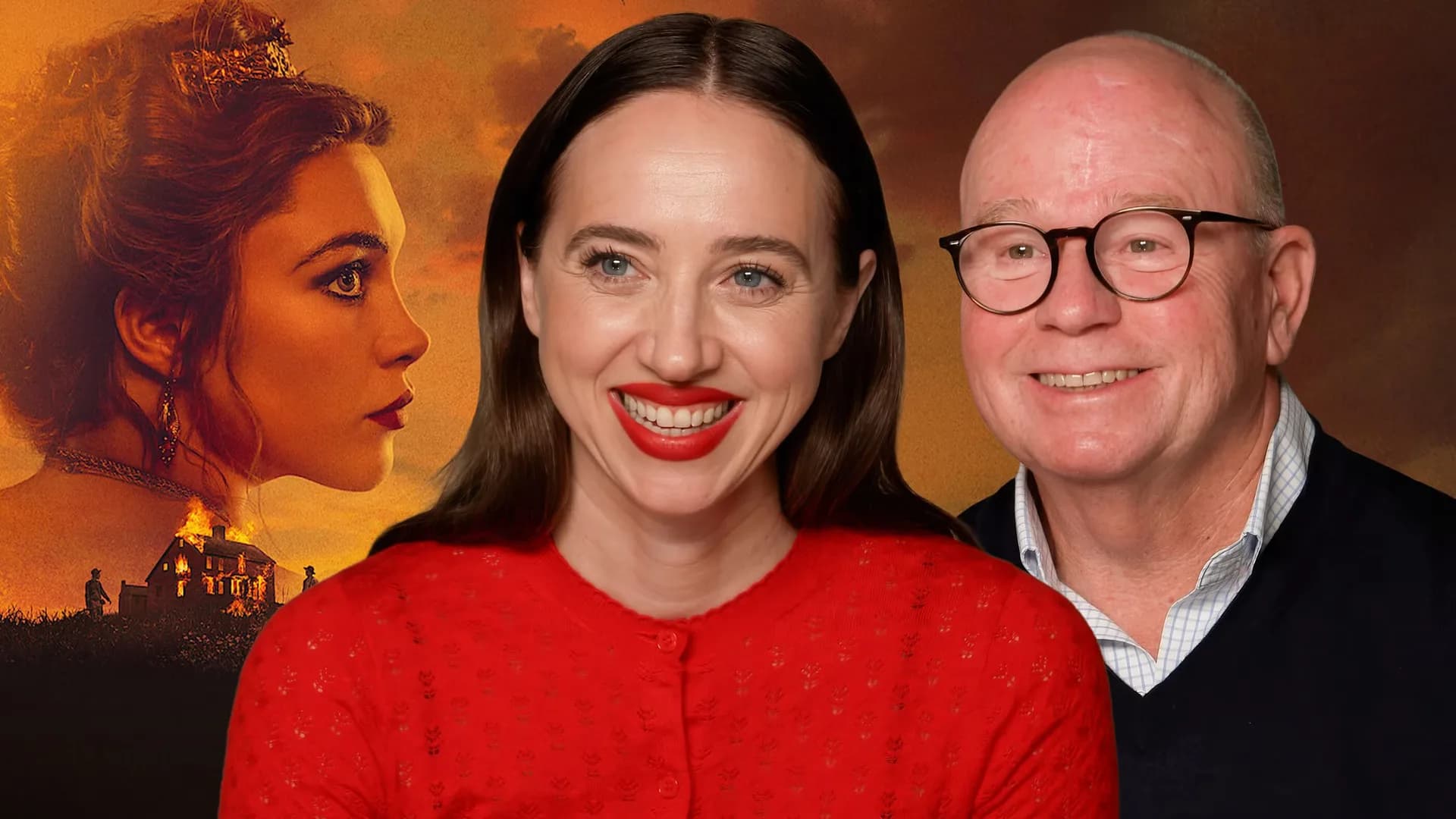
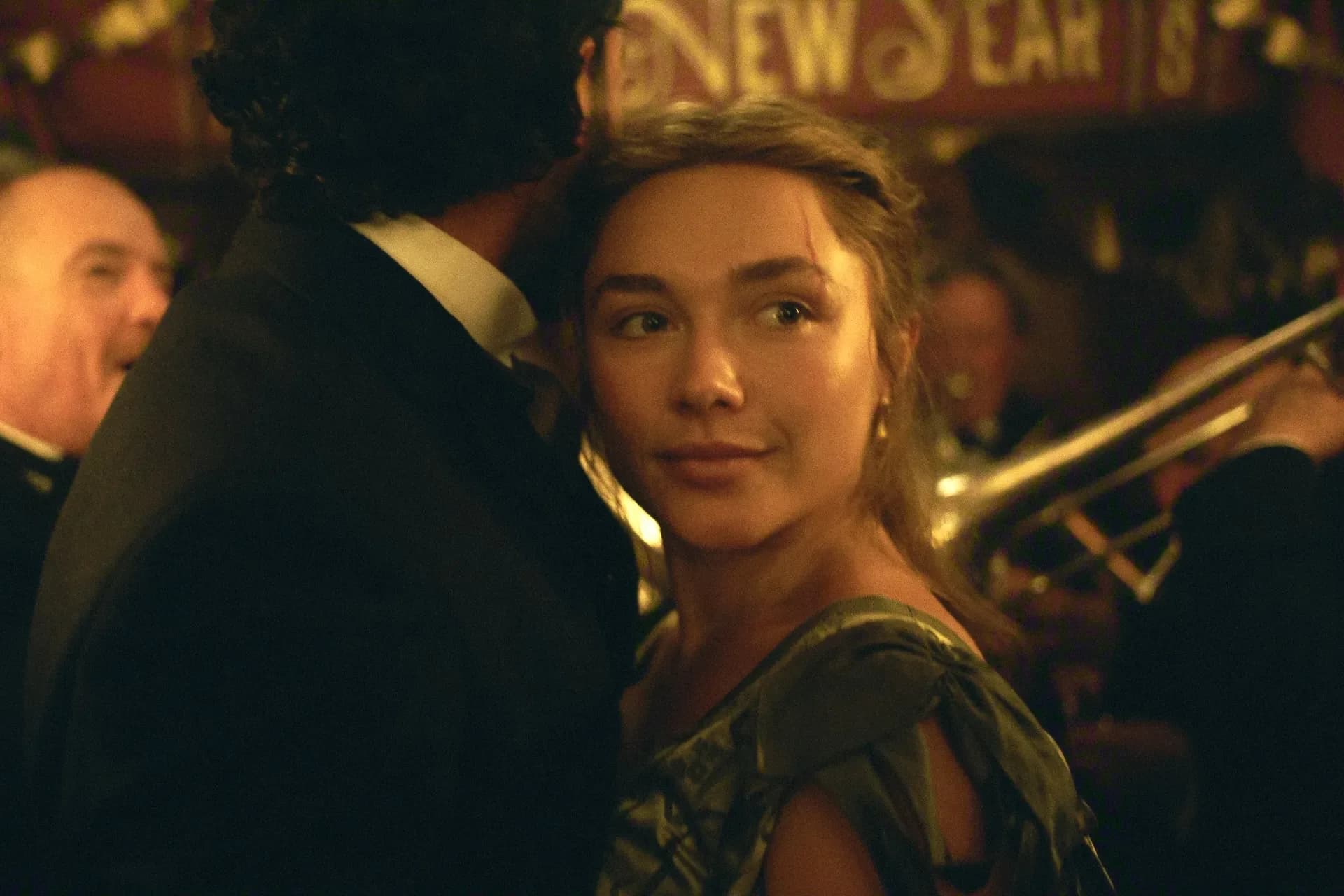
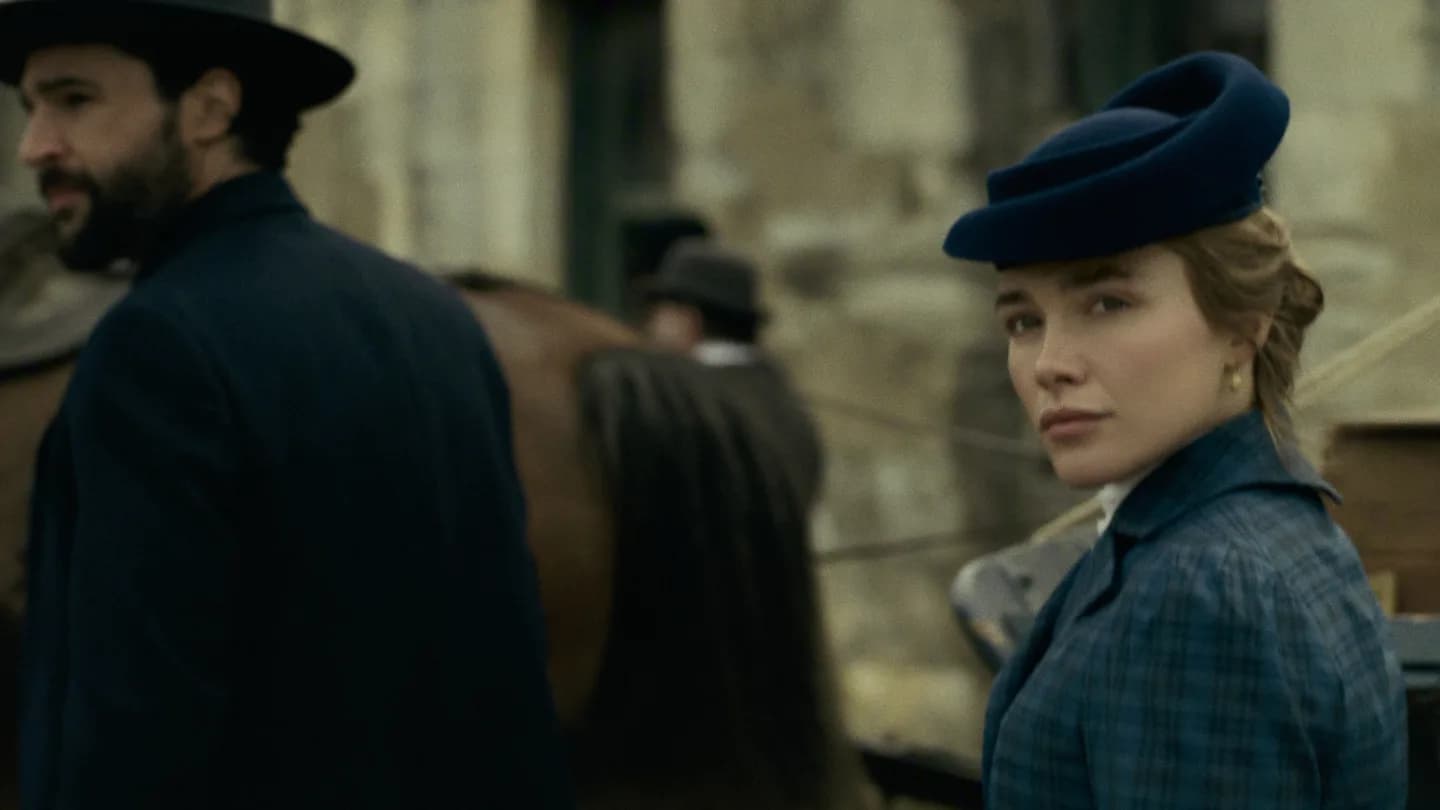
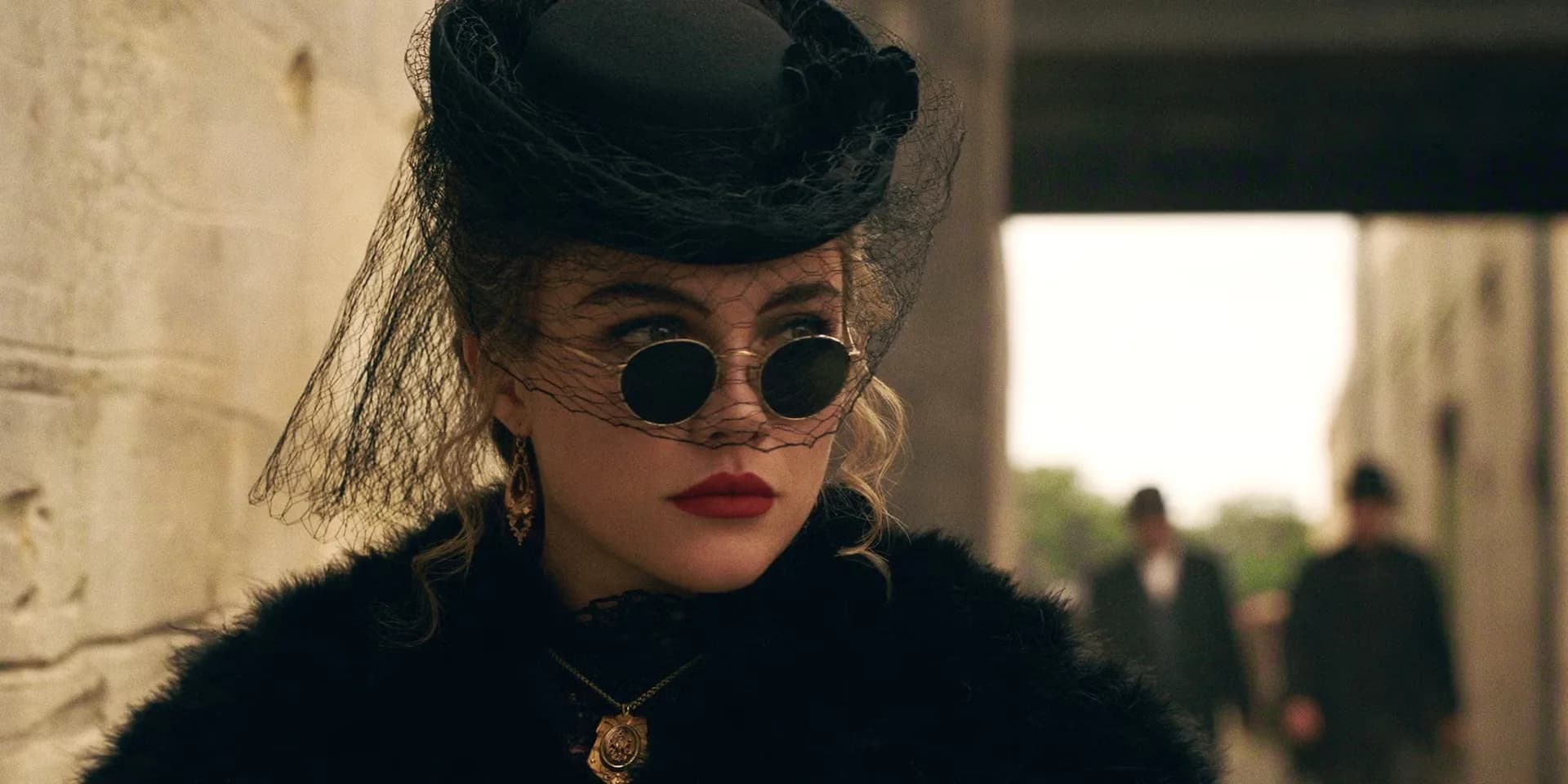
Netflix’s East of Eden drops on October 1 — and with it, a reclamation. Not of the novel, not exactly, but of its most vilified character: Cathy Ames. Florence Pugh, executive producer and star, isn’t here to make her a villain. She’s here to ask why she became one.
And Zoe Kazan, the showrunner, is answering in seven episodes, not two hours. That’s the first thing you notice. The second? How much this feels like a reckoning, not just for Steinbeck’s text, but for how we’ve let stories about women be reduced to monsters without asking what made them that way.
Cathy isn’t a plot device. She’s the spine. Her arc stretches across generations, from Salinas Valley to the choices her sons inherit. And Kazan, who read the book at 15, now sees it through motherhood.
Not as a tale of good versus evil, but of fathers failing their sons, and mothers trying to survive. She talks about Adam’s desire to be better than his own father, and how that same instinct echoes in Cal. It’s not destiny. It’s repetition.
And it’s messy. Kazan didn’t want a film. A feature would have forced tone, compressed time, flattened nuance. Seven hours?
That’s space to watch Cathy grow from a girl into a woman shaped by abandonment, violence, and silence. To see her not as a psychic monster, as Steinbeck once called her, but as someone whose pain was never given room to speak. “It is easy to say she was bad,” Kazan says.
“But there is little meaning unless we know why.”
Pugh’s involvement goes beyond casting. She and Kazan worked on this since 2020. They’re not excusing Cathy. But they are refusing to let her be defined by a label.
The series doesn’t ask us to forgive her. It asks us to understand her. And that’s a shift. One that only long-form storytelling can afford.
Jeb Stuart, co-creator and veteran of Die Hard, calls it “the book” of all books. He knows the weight. So does Kazan, who once saw herself in Cal. Now she sees herself in the father trying to do better.
In the mother holding boundaries. In the quiet moments when a child looks up and asks, ‘Why?’
The show premieres Thursday. No trailers. No fanfare.
Just seven episodes, each a chapter in a story that’s been waiting to be rewritten. The question isn’t whether it will succeed. It’s whether we’re ready to listen.



Be the first to comment
Join the argument. No password, just your email or a passkey.