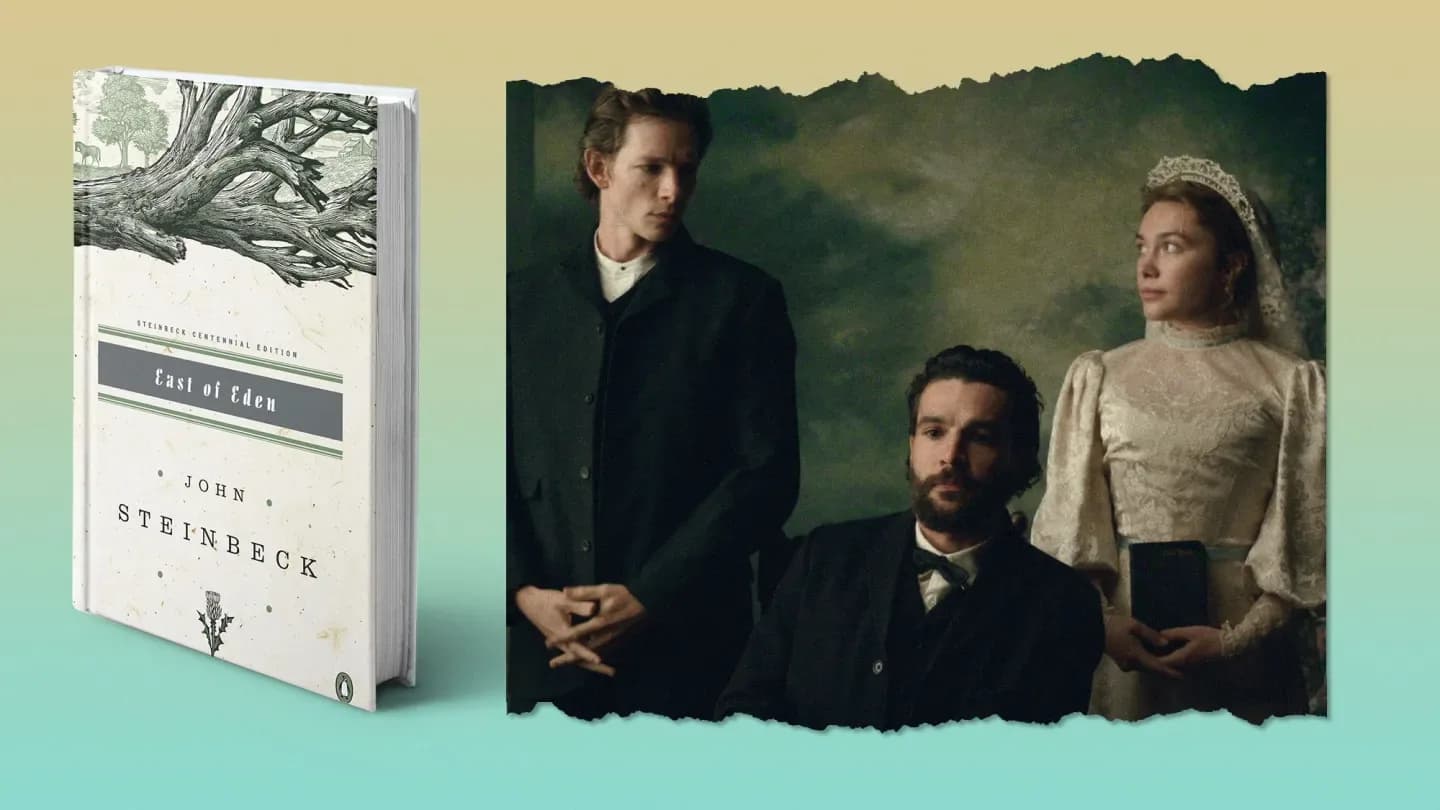
Zoe Kazan’s East of Eden doesn’t end with catharsis. It ends with a question: What if the villain was just trying to live?
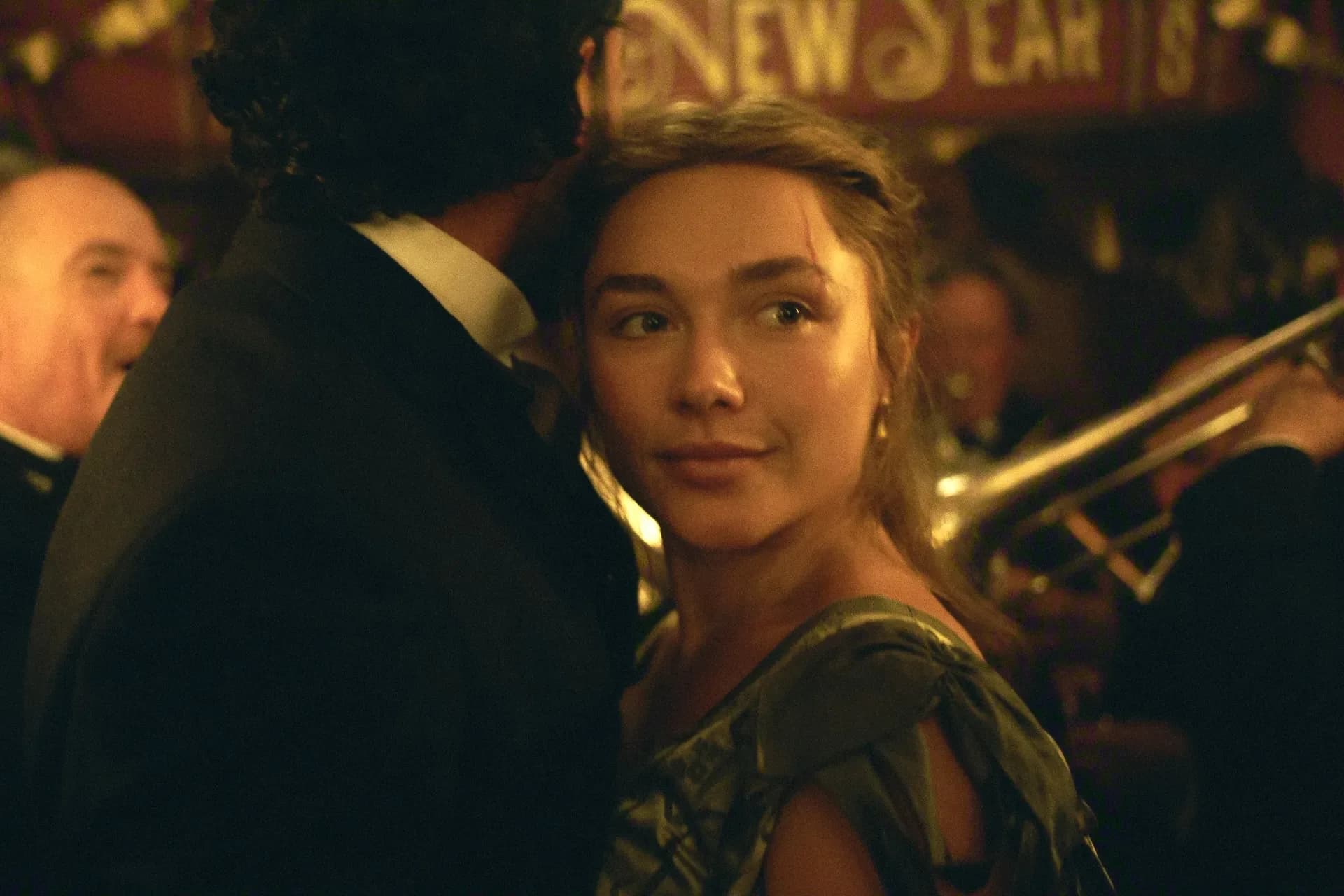
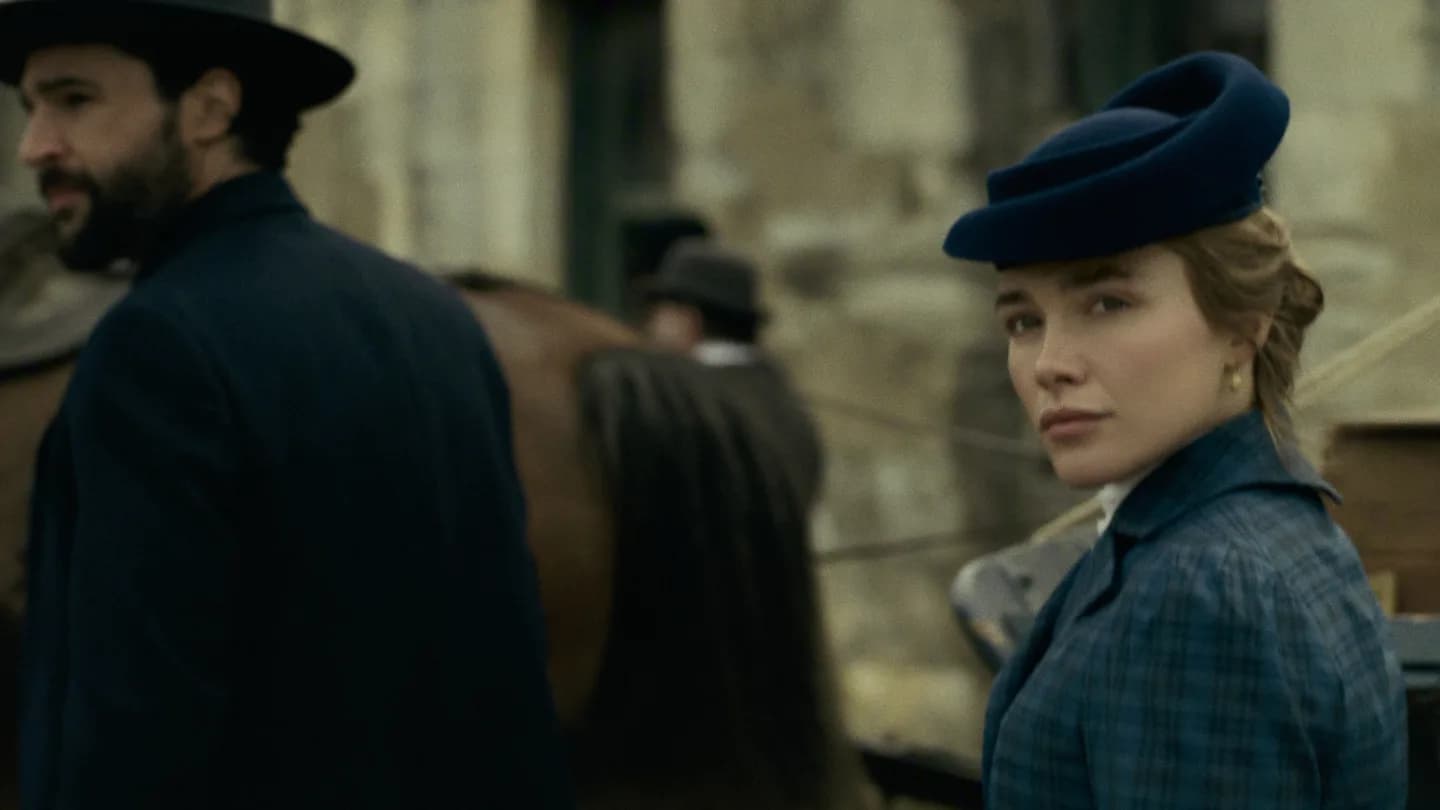
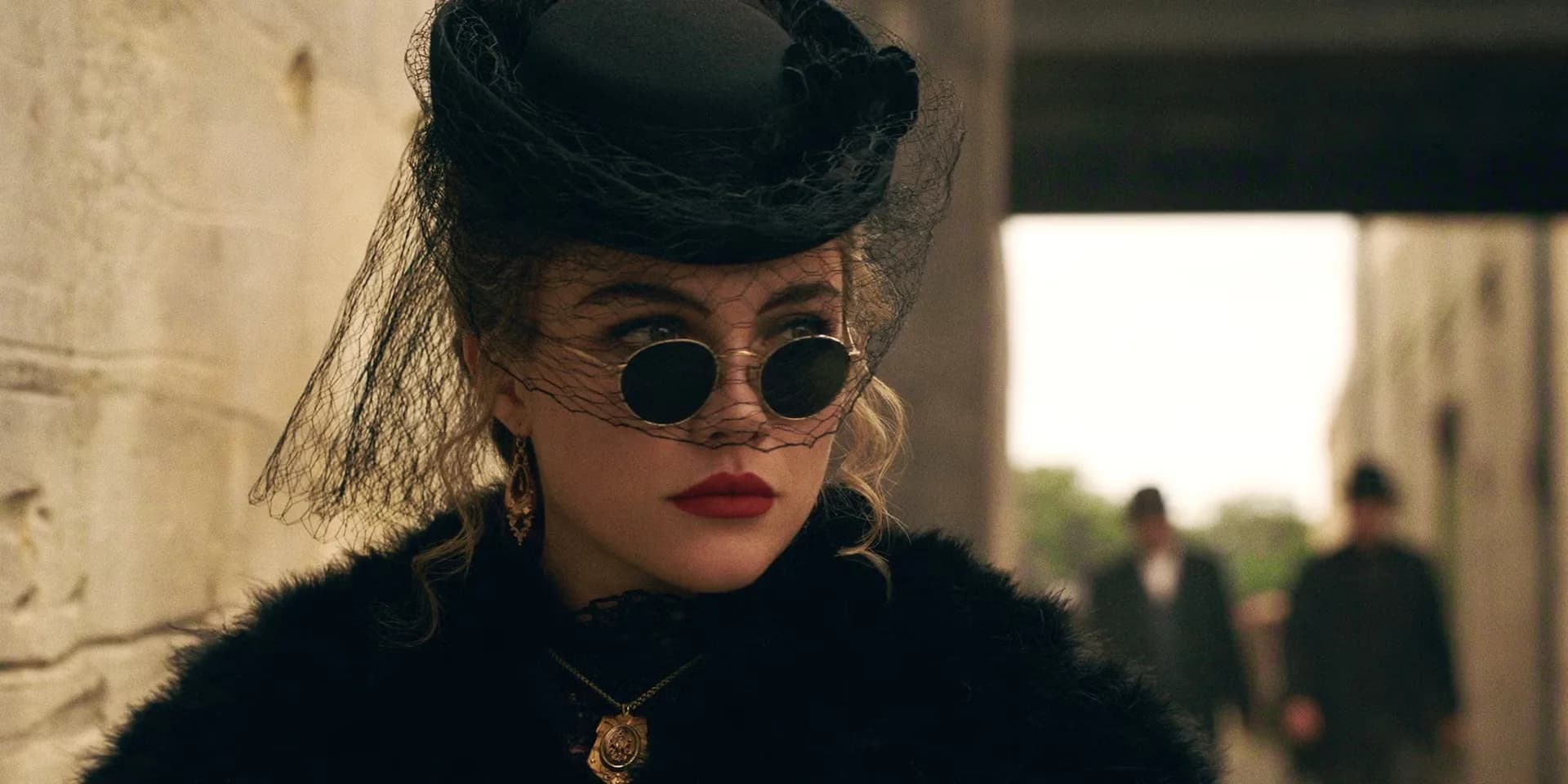
The ending of East of Eden isn’t just a finale — it’s a reckoning. Netflix’s eight-episode miniseries, helmed by Zoe Kazan, doesn’t just reframe Steinbeck’s novel. It dismantles the myth of Cathy Ames as pure villainy and rebuilds her as something far more unsettling: a survivor who weaponises survival. Florence Pugh plays her with a quiet ferocity that makes every choice feel inevitable, not monstrous.
She’s not just a murderer. She’s also a woman who outlived the system meant to destroy her. And in Kazan’s version, that duality is the point. Not a revision.
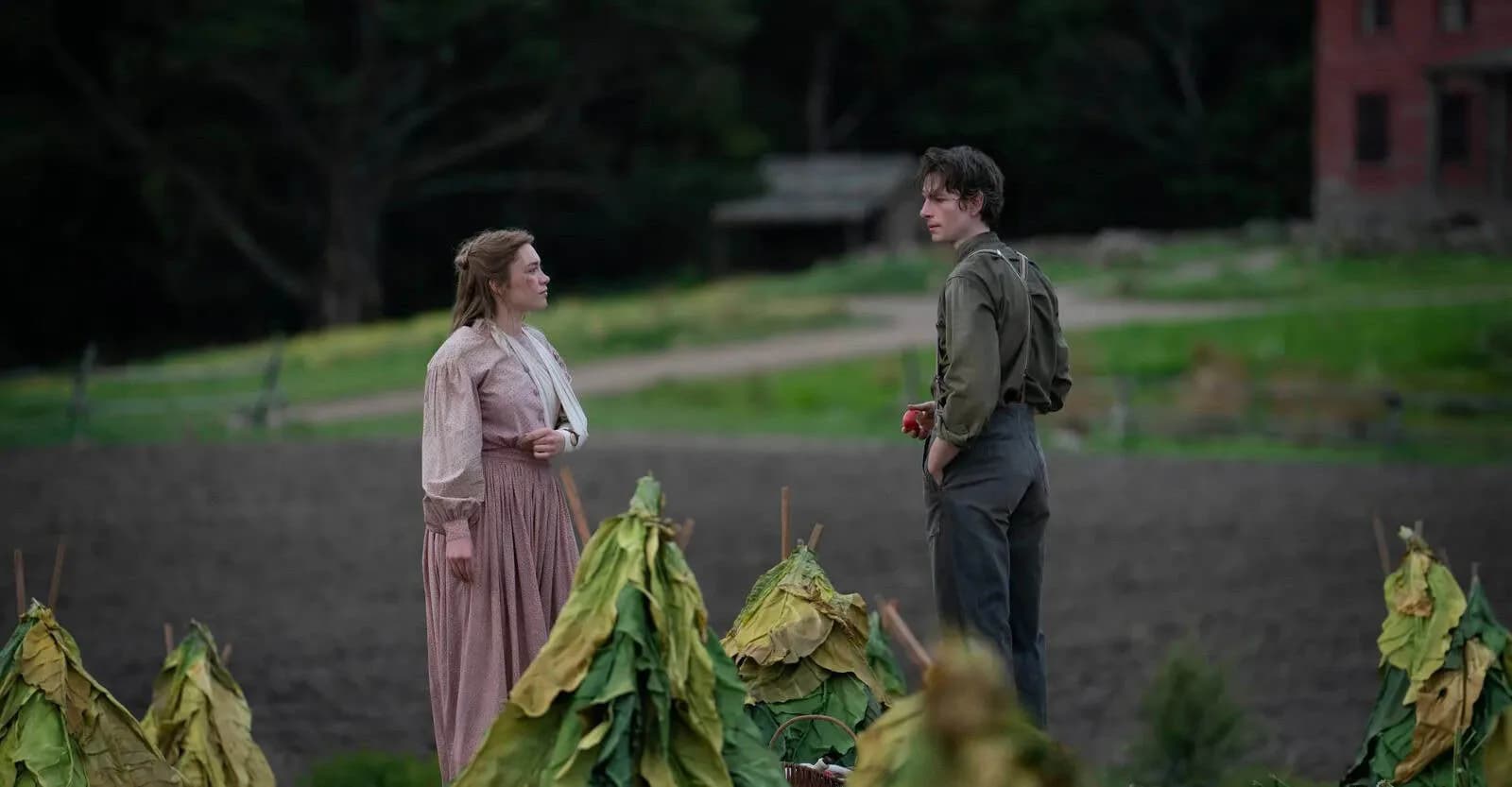
A revelation. The series cuts deep into the Trask family’s bloodline, but it’s Cathy who drags the story forward, through trauma, deception, and silence. Her decision to abandon Adam and their newborn twins isn’t portrayed as malice. It’s escape.
The show leans into the ambiguity Steinbeck left behind: was she born evil? Or forged by it? Kazan admits she didn’t set out to make a feminist manifesto. But the result is one anyway.
Not because she sidelined men, but because she refused to let them define her. That said, the Hamiltons got cut. Tom Hamilton, Kazan’s favourite character, was sacrificed for pacing. Ciarán Hinds’ Samuel and Mike Faist’s Charles were reduced to cameos.
The trade-off wasn’t artistic laziness. It was narrative discipline. ‘I didn’t want this to be a survey course,’ Kazan told Variety. ‘I wanted to go deep.’ And so she did, into Lee (Hoon Lee), the cook who becomes father to Cal and Aron.
His arc, once background noise, now anchors the emotional core. He’s not just a servant. He’s the keeper of memory. The voice of reason in a house built on lies.
Kazan’s take isn’t about rewriting history. It’s about reclaiming it. She’s not erasing Steinbeck. She’s listening to him differently.
The rape scene from childhood? She reads it not as justification, but as a wound too raw to name. The book’s poetry stays. But its pulse beats faster now.
This isn’t high art. It’s entertainment with teeth. And yet. Some critics are calling it revisionist.
Kazan shrugs. ‘It’s not about making Cathy a hero,’ she says. ‘It’s about asking what happens when you stop seeing women as plot devices and start seeing them as people.’
The question isn’t whether the ending works. It’s whether audiences are ready for a story where the monster is also the victim, and the story keeps going anyway.
Be the first to comment
Join the argument. No password, just your email or a passkey.