Netflix’s East of Eden is no longer just a series. It’s a cultural event. And it’s only getting started.
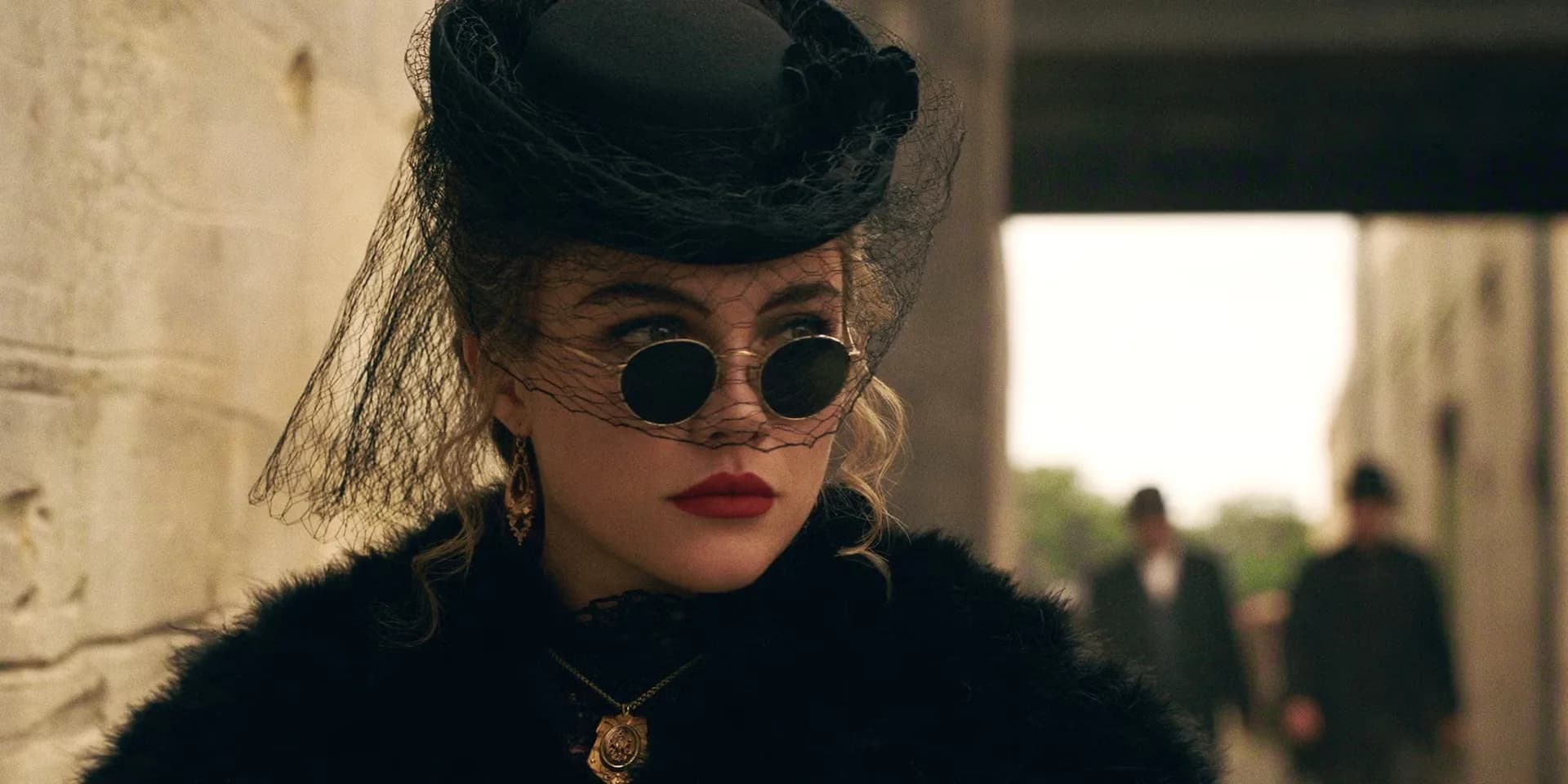
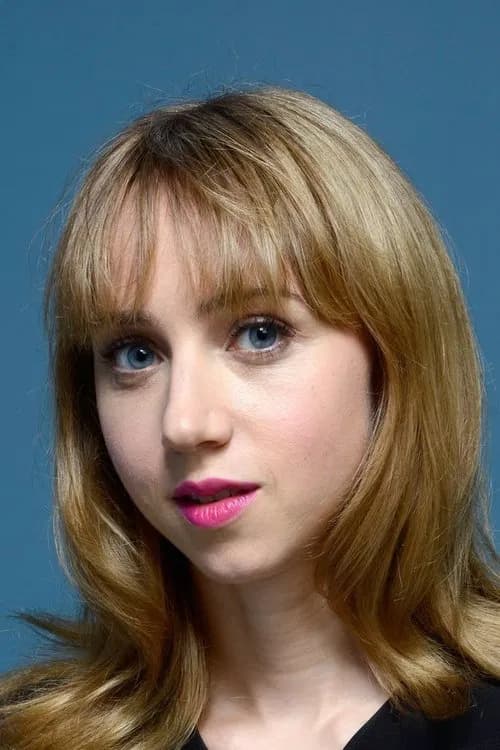
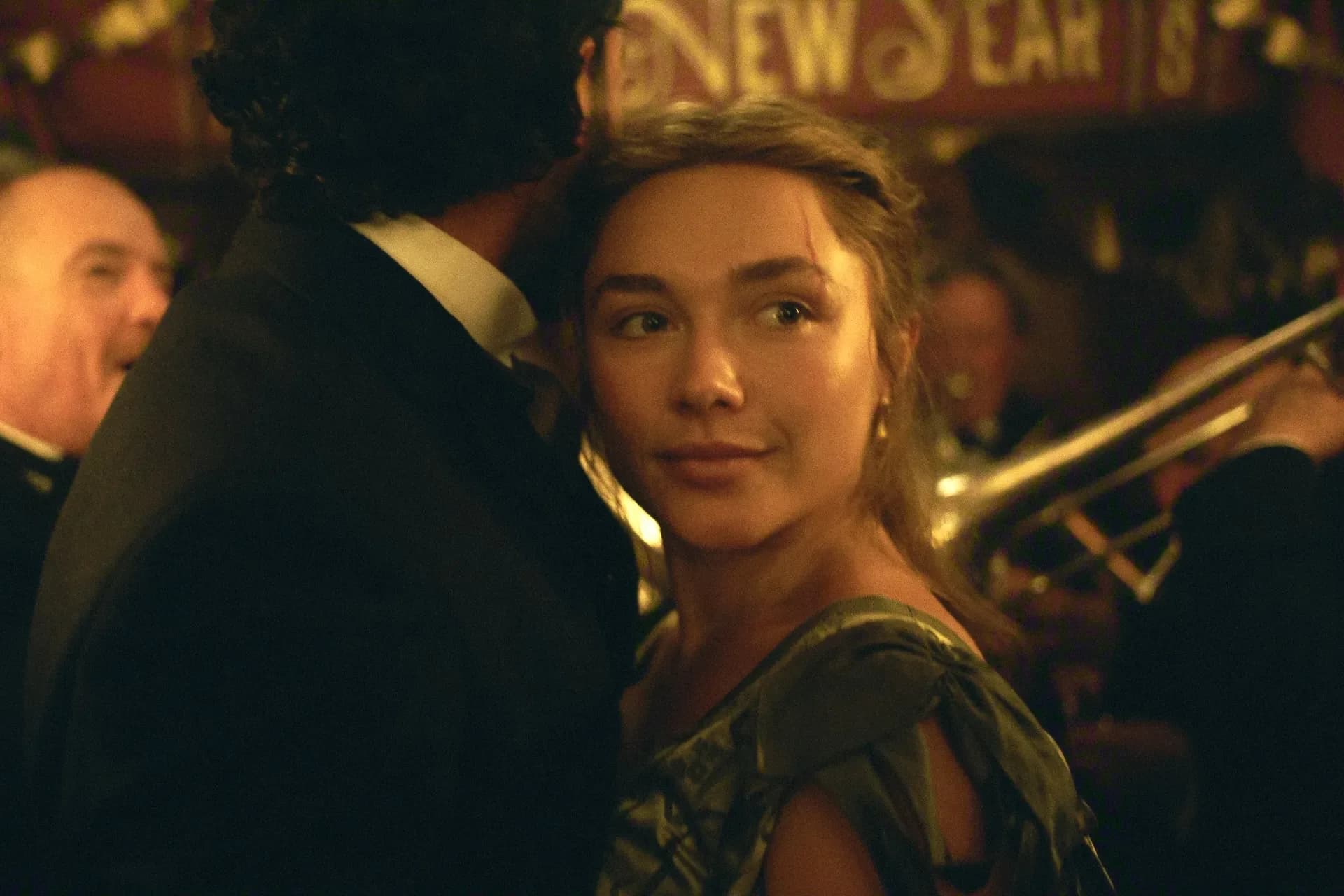
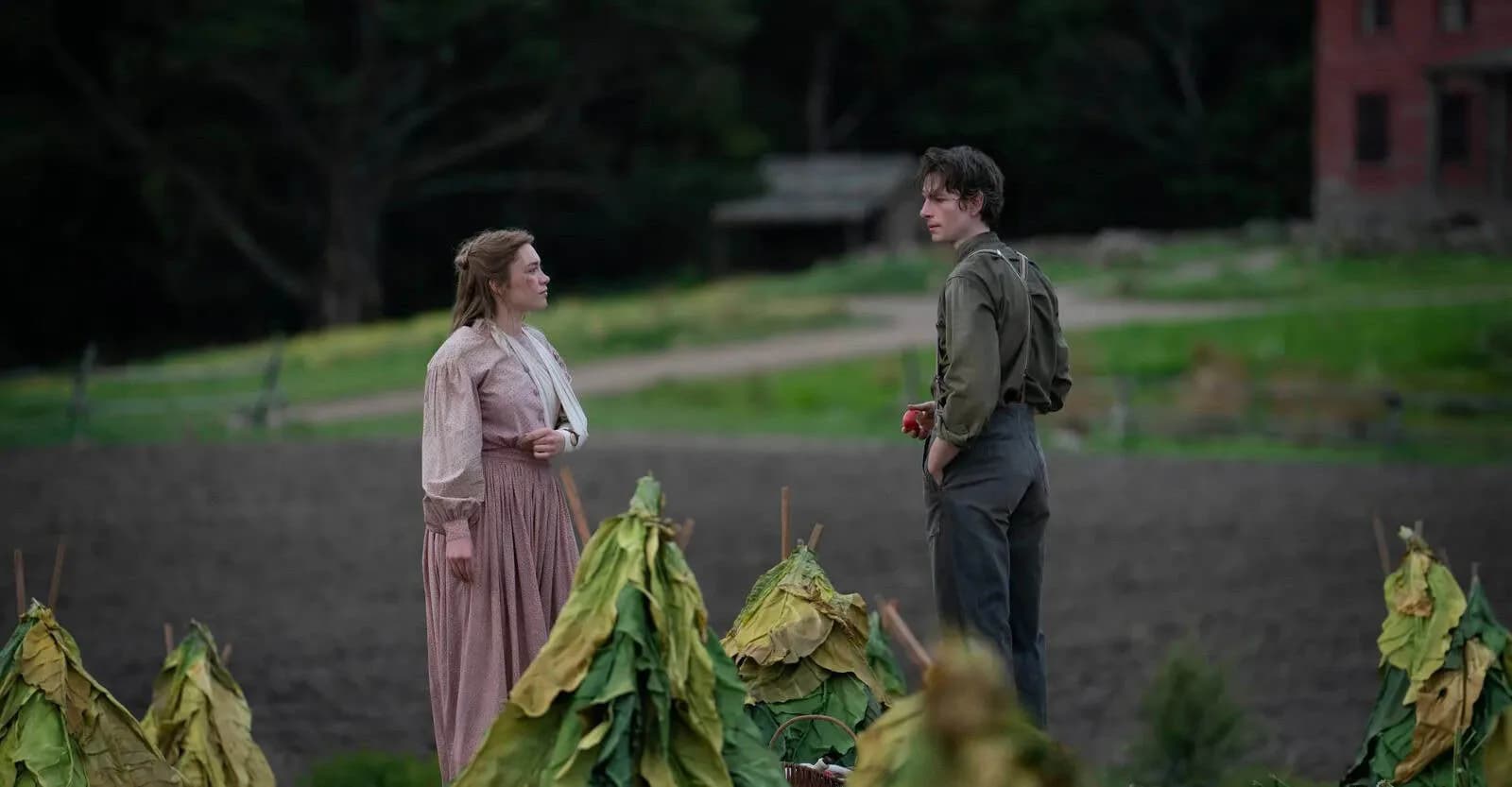
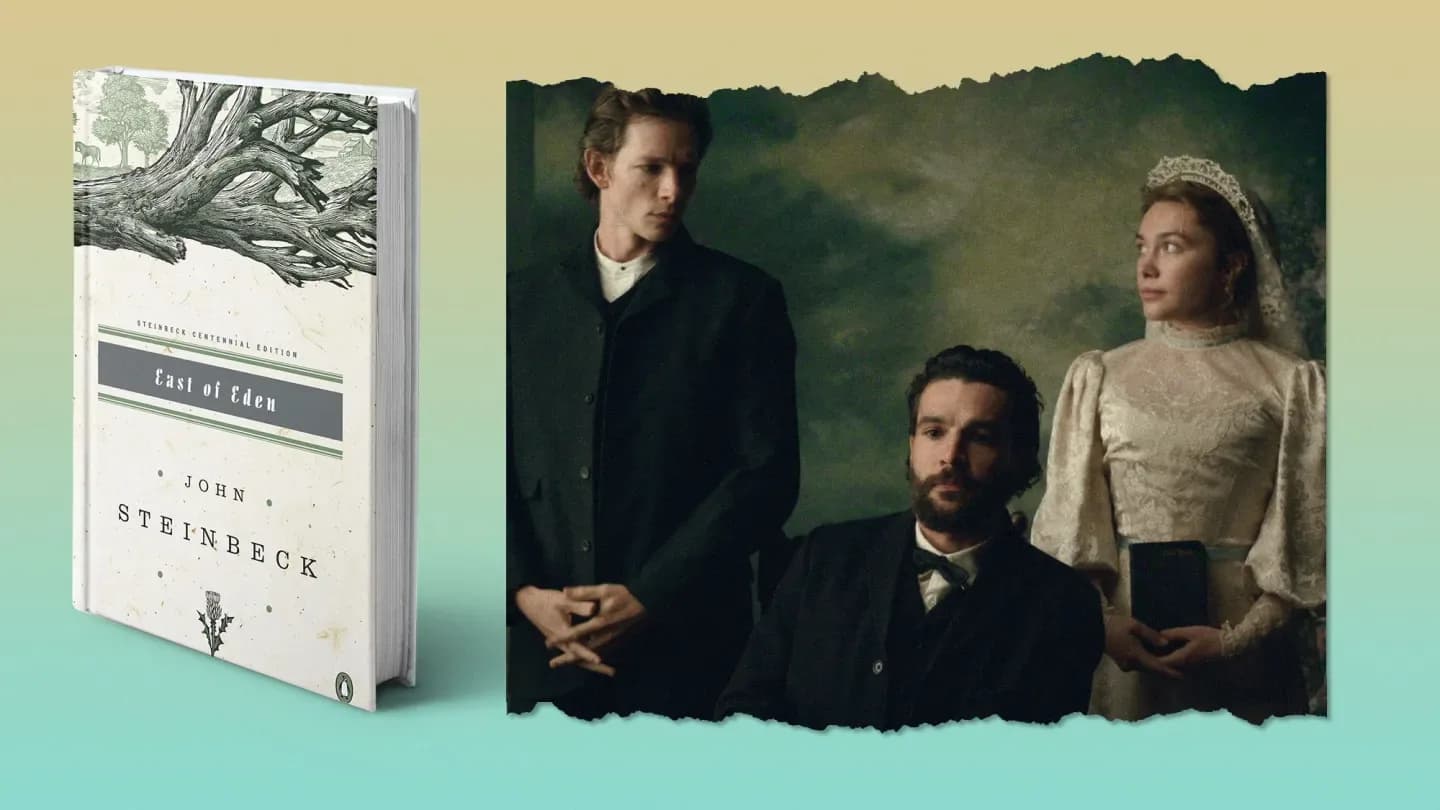
East of Eden is already a hit. Not just on paper, not in quiet hopes — on the charts. Netflix’s seven-part Western epic, adapted from John Steinbeck’s 1952 novel and helmed by Zoe Kazan, has stormed into the top tier of global streaming with a Certified Fresh 85% on Rotten Tomatoes and a FlixPatrol spike that marks it as an instant phenomenon.
It’s not just watching, it’s dominating. The numbers don’t lie: this is the kind of launch that makes studios rethink their entire slate. And yet, it’s not the first time Netflix has tried to crack the Western code. They’ve had their misses.
The Waterfront, Ransom Canyon, but now, with Florence Pugh, Christopher Abbott, and Mike Faist anchoring a story steeped in legacy and moral complexity, they’ve finally found the right mix. The show’s success isn’t accidental. It’s built on the bones of a classic, reanimated by a director who knows what she’s doing.
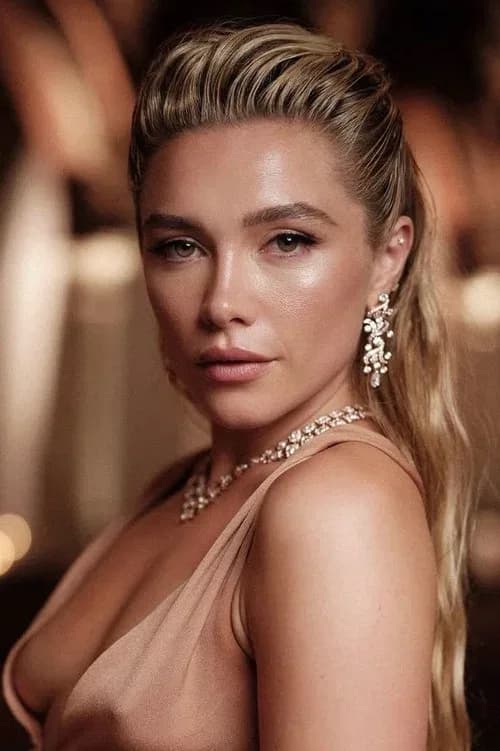
And whose grandfather once directed the original film version. That lineage matters. But so does the casting. Pugh’s performance, in particular, is being called a career-defining turn.
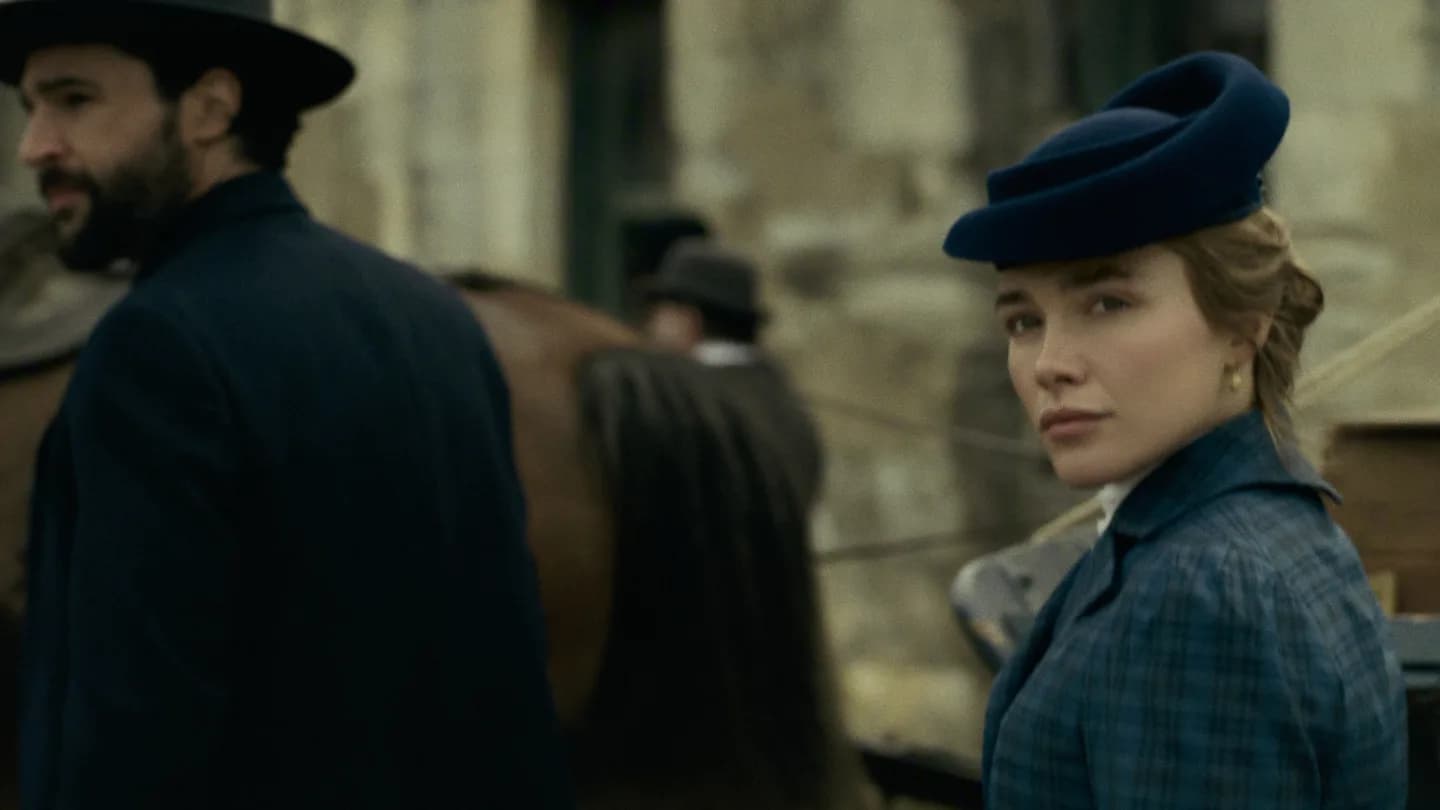
She’s not just playing a role. She’s rewriting it. Critics are calling it a daring new perspective, modern, unflinching, and emotionally raw. The landscapes?
Sumptuous. The drama? Thick enough to cut with a knife. And the audience?
Already hooked. This isn’t just another literary adaptation. It’s a statement. A signal.
If Yellowstone was the gold standard for modern Westerns, then East of Eden might be the one that finally gives Netflix its own franchise. The question now isn’t whether it’ll succeed. It’s how fast they’ll move to build on it. Sequels?
Spin-offs? Prequels? The next step is already being plotted. One thing’s certain: the West isn’t dead.
It’s just been reborn. With a woman at the wheel.
Be the first to comment
Join the argument. No password, just your email or a passkey.