Collector Ajay Katesariya has warned PHE officials after fluoride‑removal units in Sailana and Bajna have been idle for up to two years, demanding immediate fixes.
Fluoride‑removal units in the tribal pockets of Sailana and Bajna have been out of service for almost two years, and the district collector has finally moved.
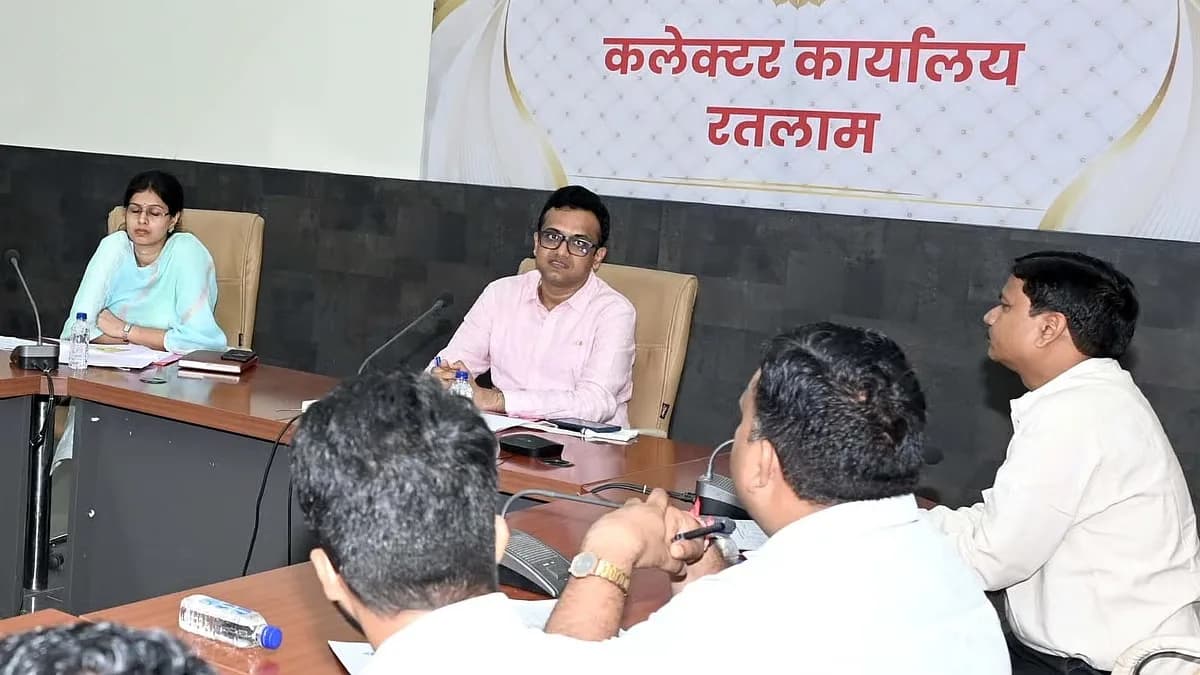
Ajay Katesariya, Ratlam’s collector, told Public Health Engineering officials that the prolonged shutdown is unacceptable and ordered a show‑cause notice to the executive engineer, Sitaram Jangde.
He also warned that disciplinary steps will follow if the plants are not back online within a strict timeline.
The plants, meant to strip harmful fluoride from drinking water, were supposed to be revived after a tender was floated, but the process stalled before any contract was awarded.
Adding to the gridlock, the district water and sanitation committee’s review meeting was called off after the sub‑divisional officers from Sailana and Jaora missed the session.
Without their presence, the committee cannot assess progress, Katesariya said, and the review loses its purpose.
He plans to raise the issue with the chief secretary of the Public Health Engineering department, Sachin Singh, to ensure higher‑level pressure.
Local residents have been forced to rely on untreated sources, raising health concerns especially for children, who are most vulnerable to excess fluoride.
Health experts warn that chronic fluoride intake can lead to skeletal fluorosis, a painful condition that hampers mobility.
The collector’s intervention comes after community complaints piled up on social media, where villagers posted pictures of rusted tanks and dry pipelines.
Activists argue that the state’s promise of safe drinking water remains unfulfilled, and they are demanding swift action.
Meanwhile, the PHE department claims the tender process was delayed due to bureaucratic red tape and a shortage of qualified contractors.
They say they are now fast‑tracking the procurement, but no concrete dates have been announced.
The collector set a deadline of 30 days for the PHE to submit a detailed action plan, including procurement schedule and staffing requirements.
Back in 2024, a similar shutdown was reported in a neighboring block, but that plant was revived within six months after a court intervened.
State officials have been under fire for neglecting tribal water infrastructure, a recurring theme in recent elections.
The next district water and sanitation review is slated for early October, and Katesariya has insisted that attendance will be mandatory for all officials.
If the plants are revived soon, the fluoride levels in the water could drop to safe limits, restoring confidence among the tribal communities.
If not, the pressure on the collector could mount, possibly prompting a higher‑level inquiry.


Be the first to comment
Join the argument. No password, just your email or a passkey.