Netflix's East of Eden rewrites Steinbeck’s classic with Florence Pugh as a Cathy Ames who’s terrifying, tragic, and impossible to look away from — and it arrives October 4 without a single trailer.
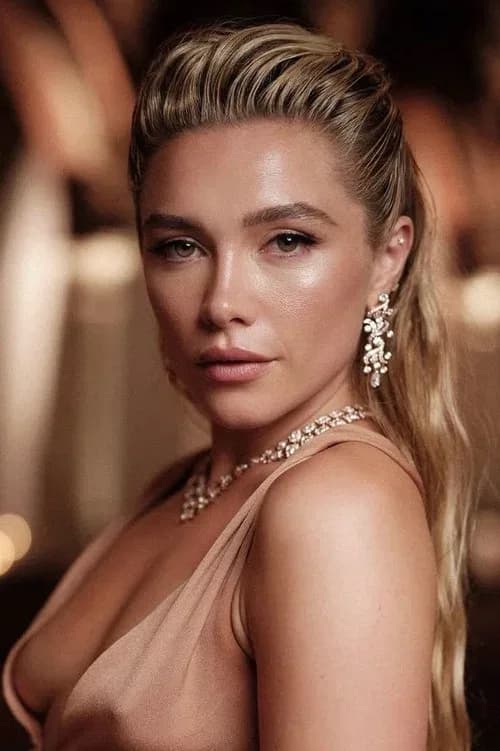
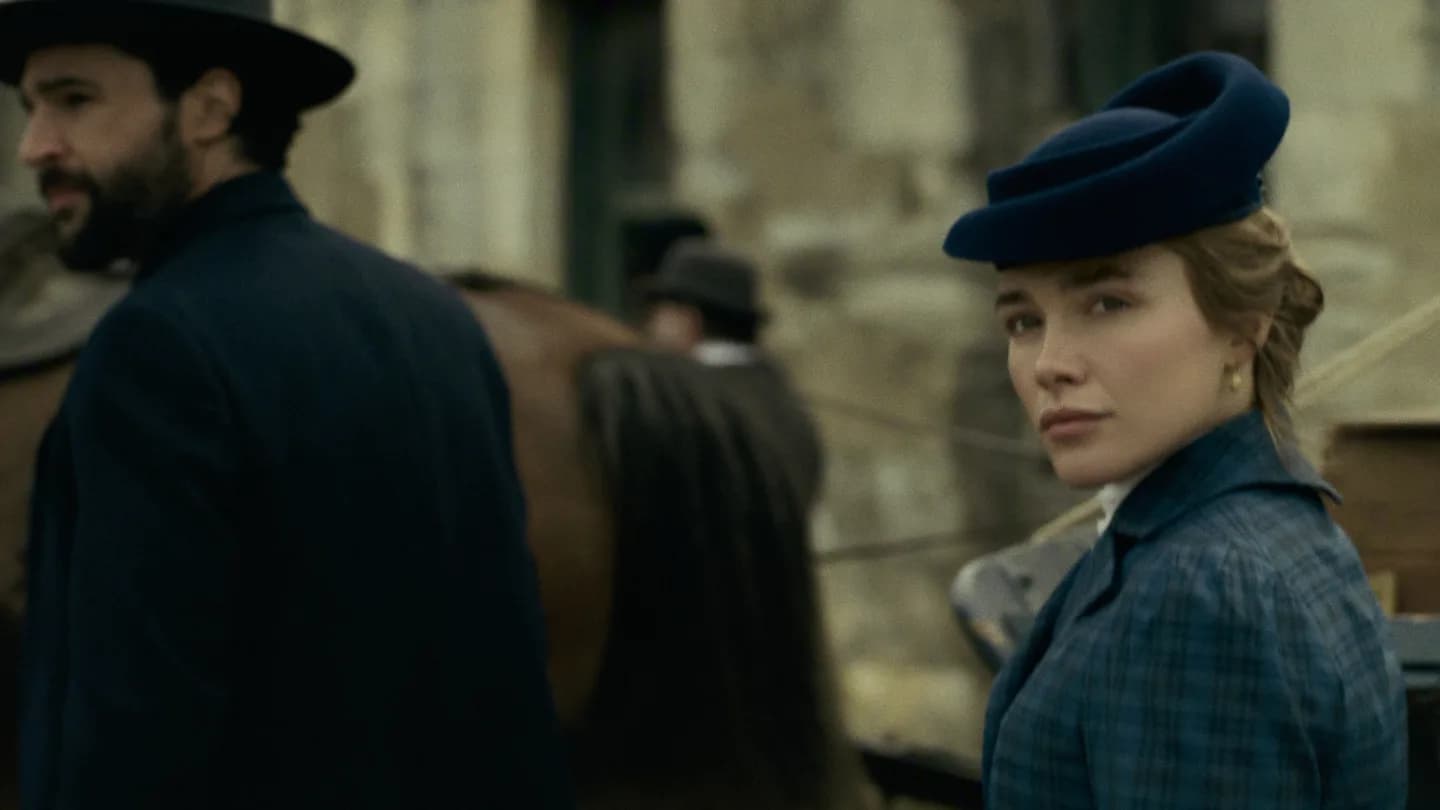
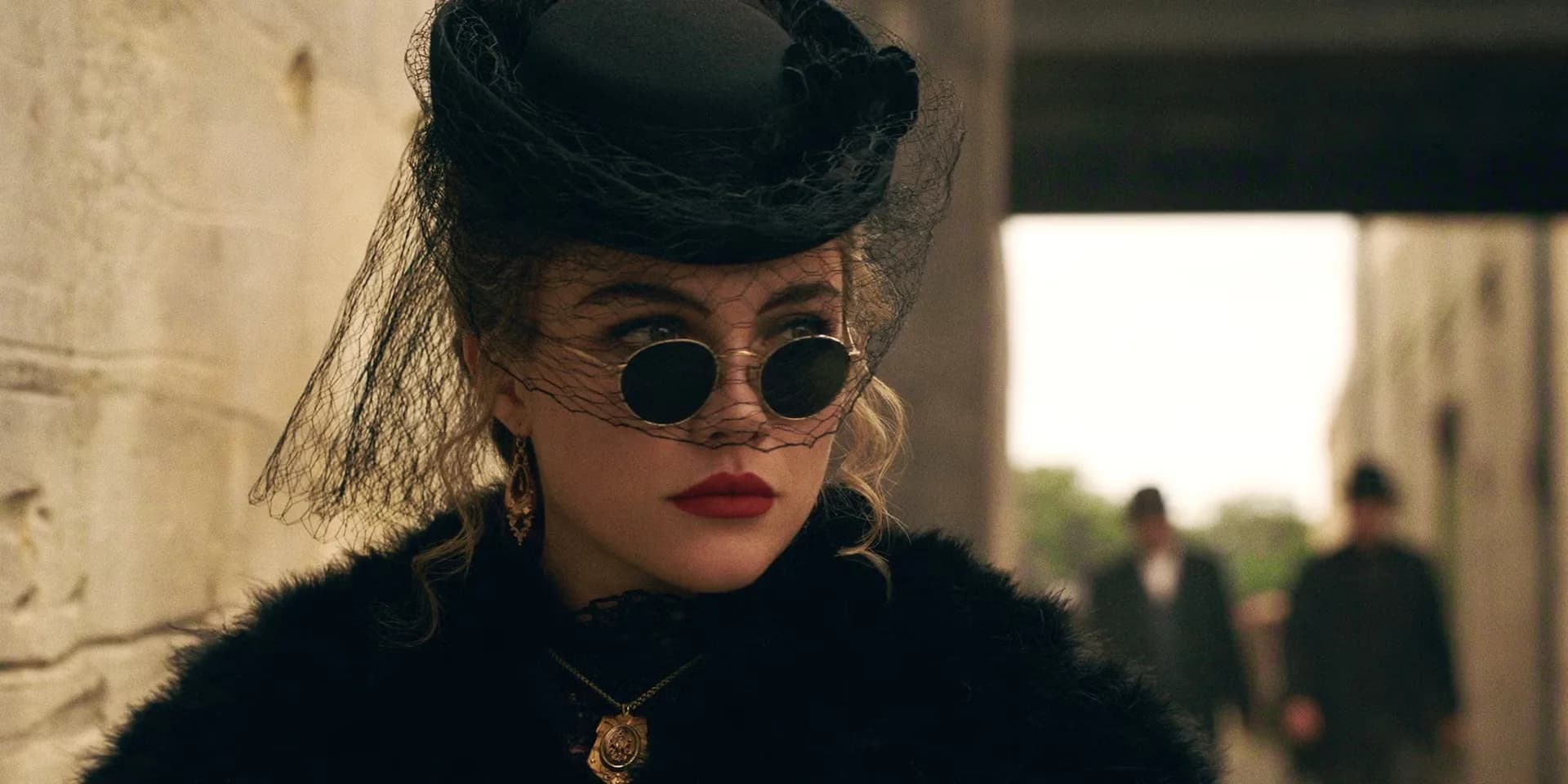
Florence Pugh as Cathy Ames — the woman Steinbeck described with cloven hooves and a devil’s grin, is not here to be a villain. She’s here to be understood. And in Netflix’s new seven-episode East of Eden, that understanding comes at a cost: blood, sex, silence, and a performance so raw it leaves you breathless.
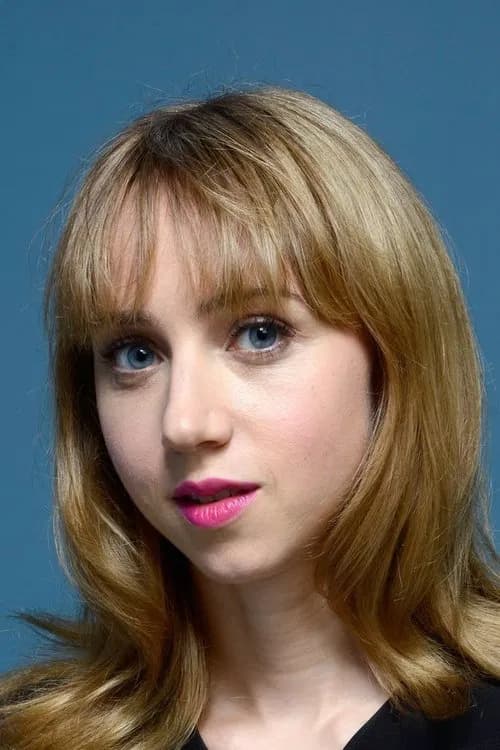
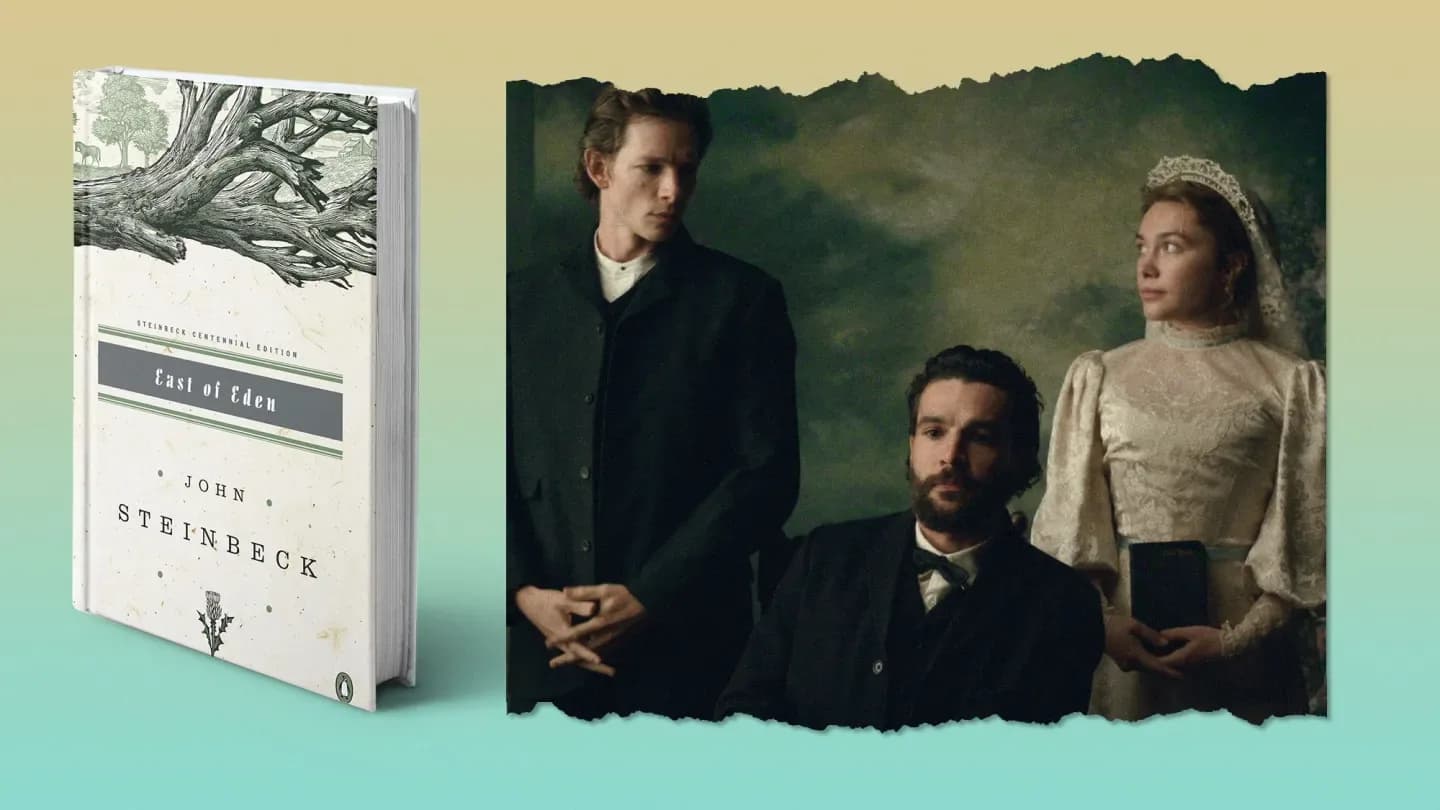
The series, adapted by Zoe Kazan. Granddaughter of the 1955 film’s director Elia Kazan, reboots Steinbeck’s epic with a vengeance, turning the biblical tale of Cain and Abel into a sprawling, emotionally brutal saga where every choice echoes across generations. It opens not with James Dean’s doomed Caleb, but with Cathy herself.
Young, violent, and already a storm in motion. Pugh doesn’t play her as pure evil. She plays her as survival made flesh. Her Cathy isn’t just a seductress.
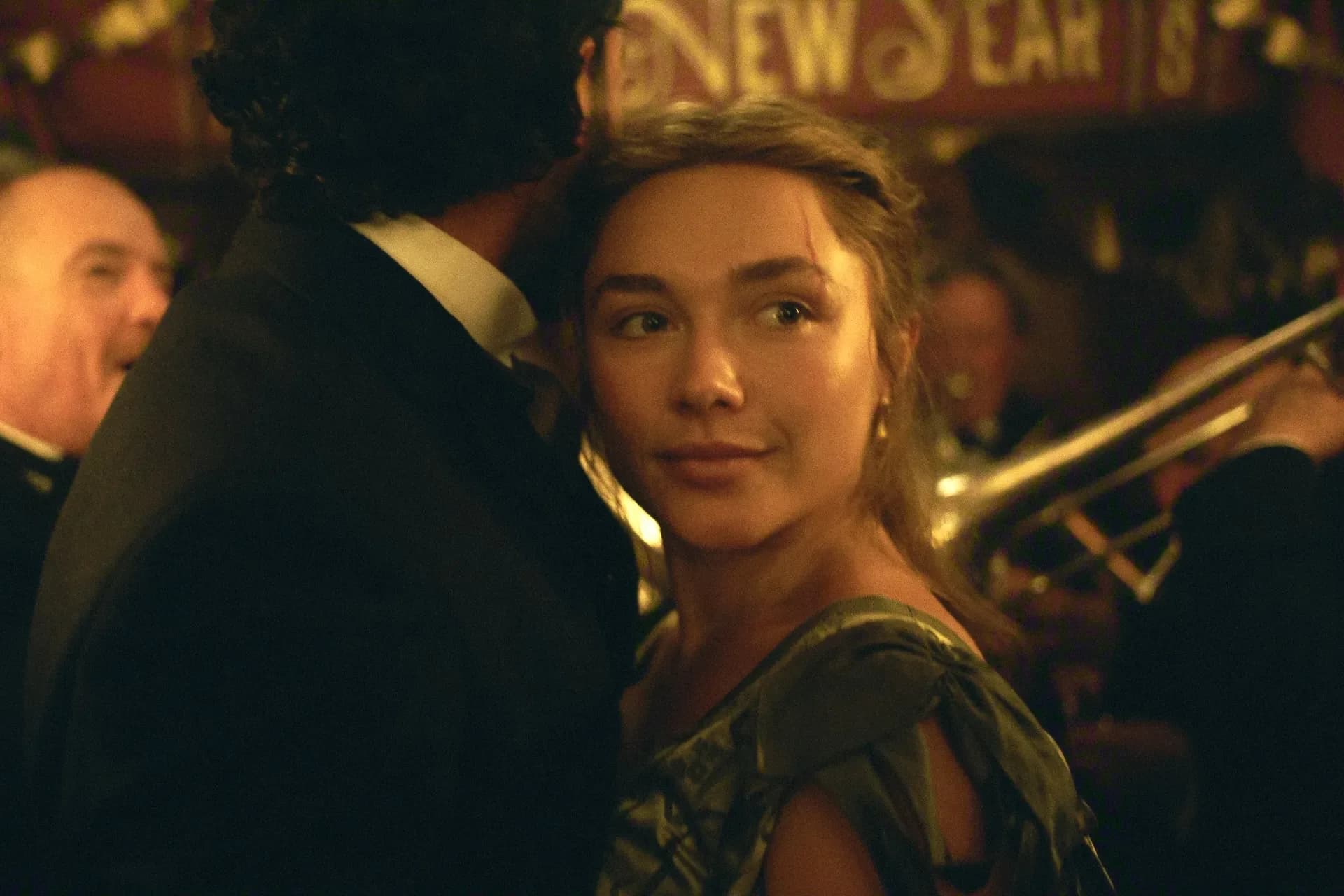
She’s a woman who knows what the world will do to her if she doesn’t take control first. And she takes it all. In one scene, she walks through a brothel like a queen surveying her kingdom. In another, she stares into the camera with eyes that say: *I know what I am.
I don’t care.* That moment alone is worth the price of admission. The rest of the cast holds up, Christopher Abbott as Adam Trask delivers a quiet, devastating turn, Mike Faist burns through scenes as Charles with a fury that feels personal, and Joseph Strada and Joe Anders as the next generation of brothers carry the weight of their mother’s legacy like chains.
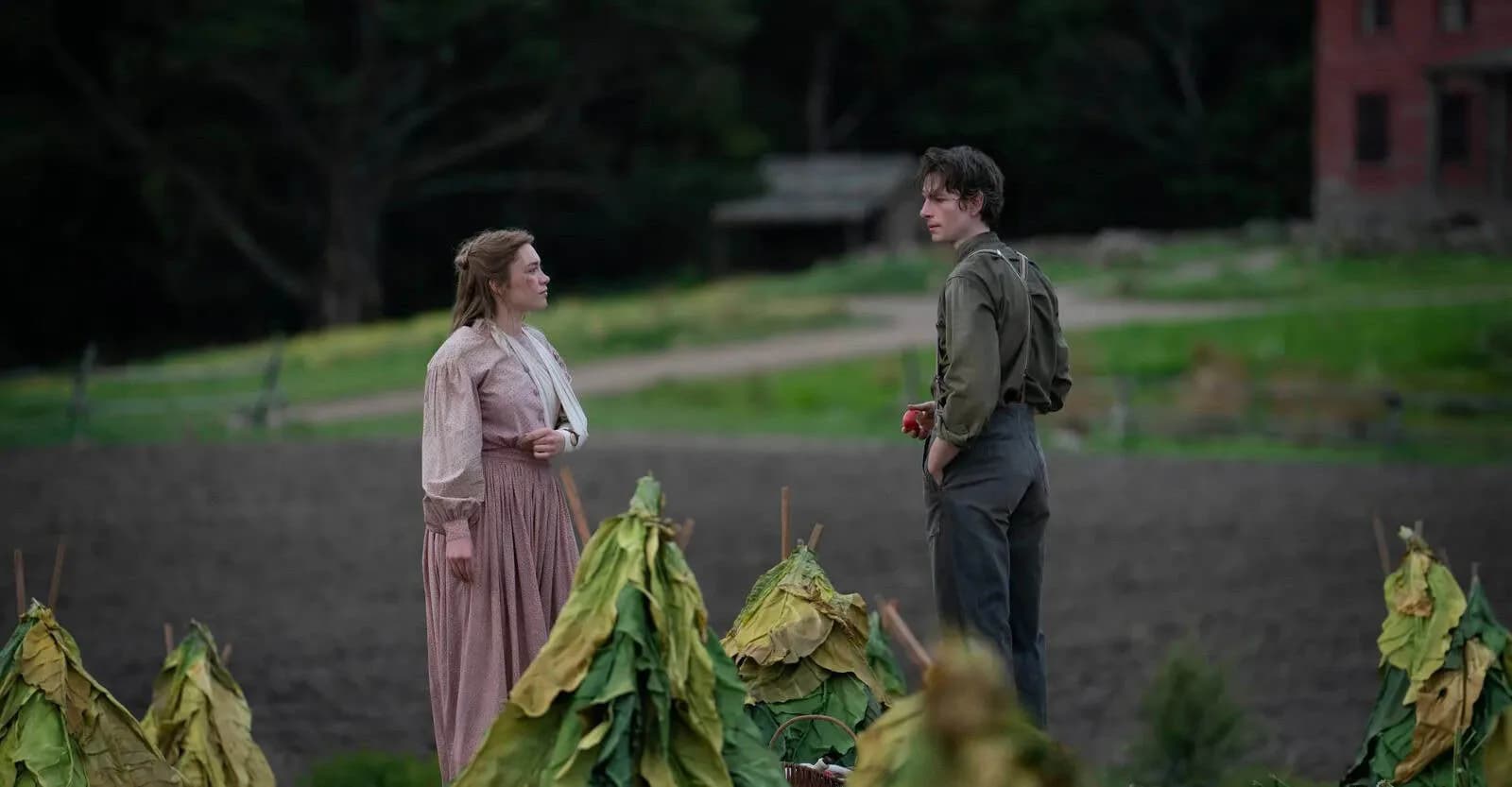
The production values are staggering: New Zealand dressed as early 20th-century Salinas, California, rendered in muted earth tones and long silences. Garth Davis and Laure de Clermont-Tonnerre direct with the precision of artists who’ve studied every frame of Brokeback Mountain and Power of the Dog. There’s no escape from the emotional gravity.
The story spans decades, from pre-Civil War to World War I, and each episode feels like a chapter in a novel you didn’t know you needed. But the real revelation? The shift in tone. This isn’t a retelling.
It’s a reckoning. Steinbeck’s original novel was dense, layered, and often impenetrable. The 1955 film cut it down to a two-hour drama about brother rivalry. This version.
Bold, unflinching, and deeply feminist in its reimagining, dares to ask: What if the monster was never born, but made? And what if we’re all just trying to outrun our own timshel. The Hebrew word for ‘thou mayest’, the chance to choose differently? The answer, in this series, is: too late.
Or maybe never. The show drops on Netflix October 4. No trailers. No hype.
Just the story. And Florence Pugh, standing in the rain, whispering, ‘I’m not afraid.’ You’ll believe her. Then you won’t.
Be the first to comment
Join the argument. No password, just your email or a passkey.