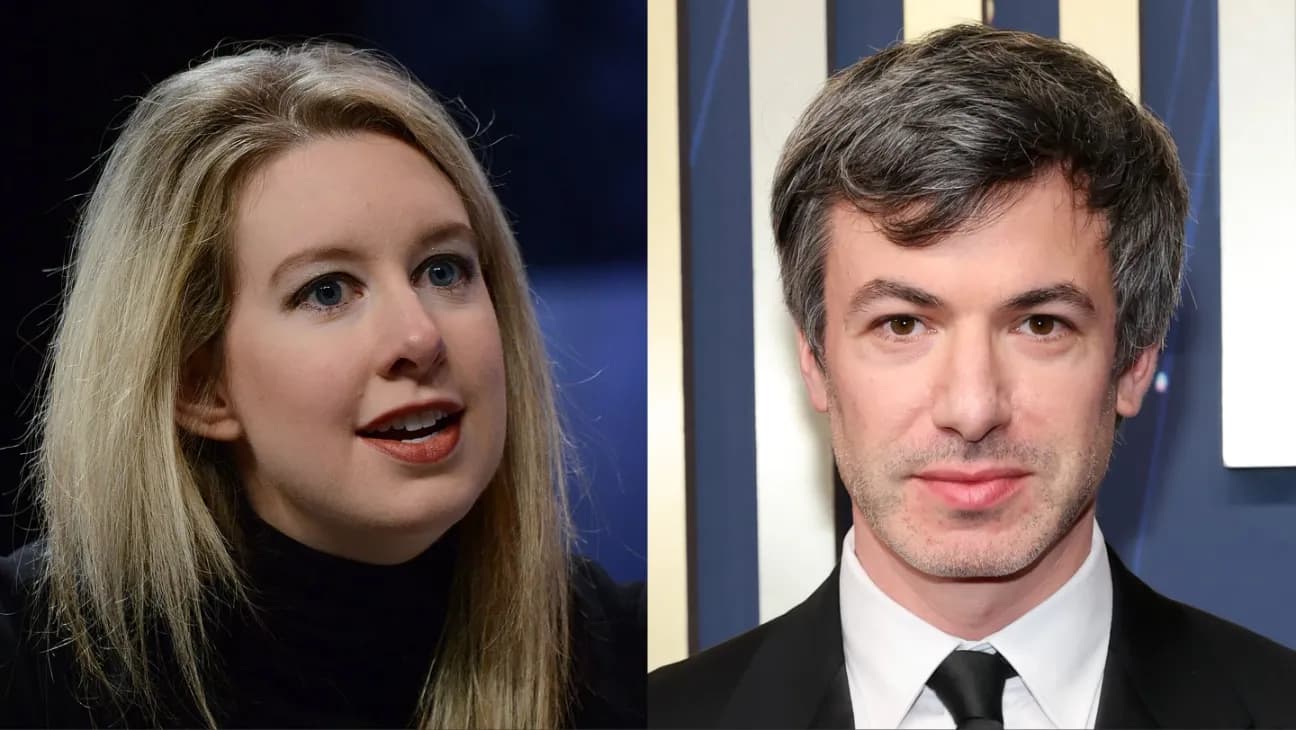
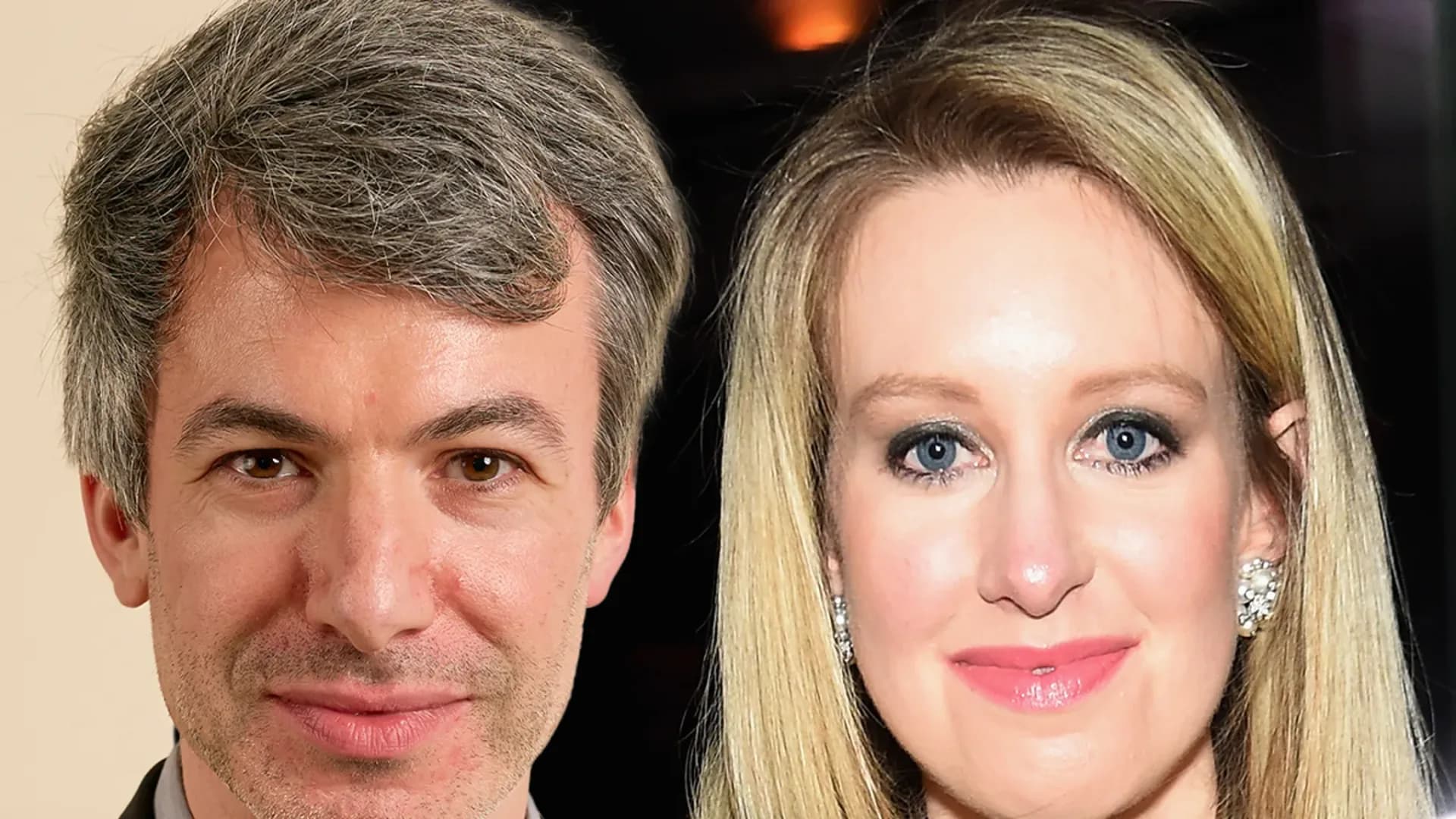
Nathan Fielder and Lance Oppenheim spent three years inside the disgraced Theranos founder's home for a film that left festival veterans, by their own account, shell-shocked.
Nobody at Telluride knew what they were queuing for on Sunday night. Phones went into locked pouches, security worked the aisles in night-vision goggles, and a festival programmer half-joked that spoilers would not be forgiven. Then the film started, and the mystery running through the mountains all weekend finally had a name: You Can See Everything, Nathan Fielder and Lance Oppenheim's documentary on Elizabeth Holmes.
A24 confirmed it that same night, dropping a teaser and setting an October 2026 theatrical release, though an exact date is still pending. What premiered runs close to three hours, according to Variety, and covers a three-year stretch that begins 34 days before Holmes reported to federal prison. She is serving an 11-year, three-month sentence handed down in November 2022 after being convicted of conspiracy and wire fraud over the Theranos investor scandal.
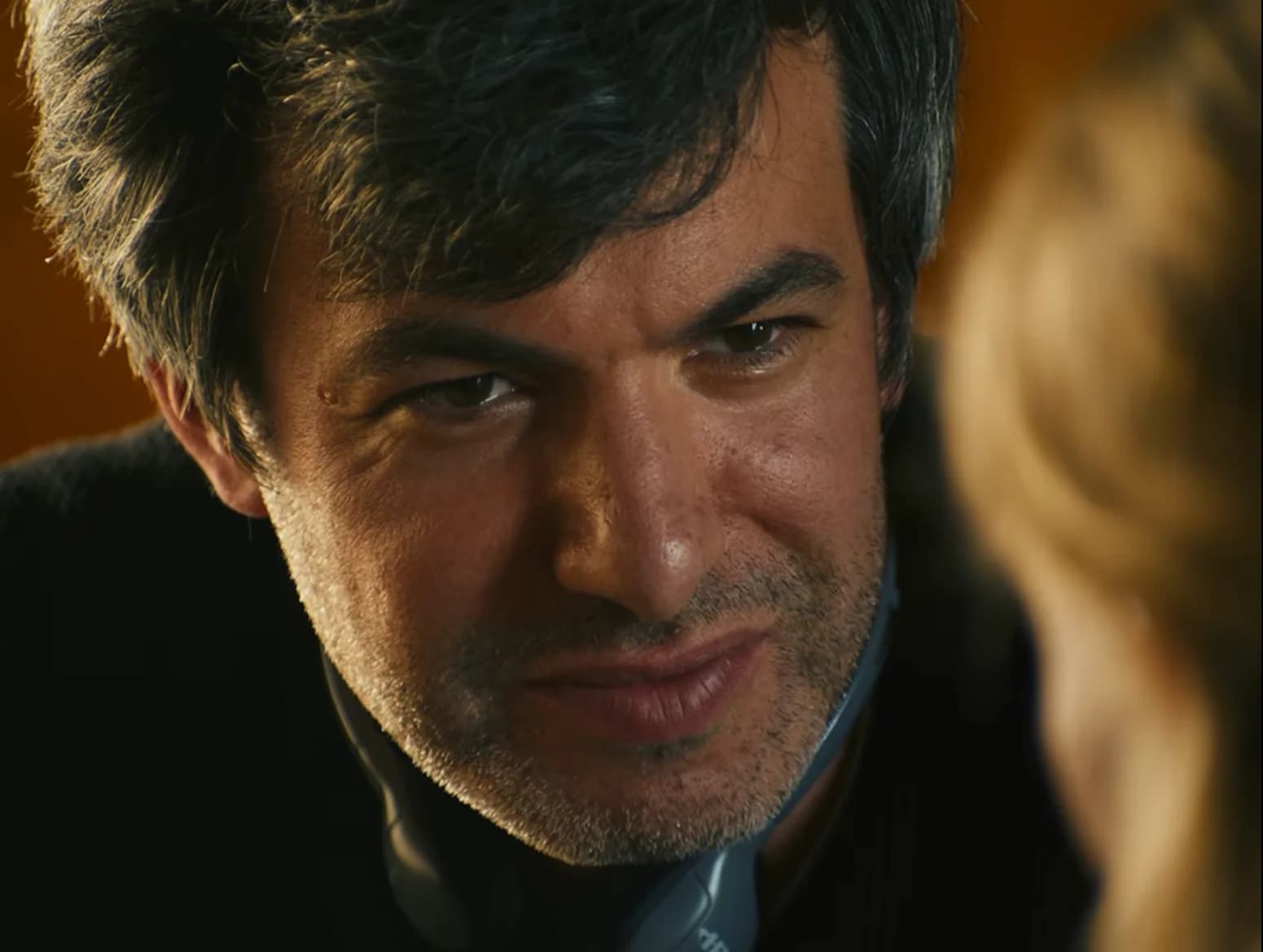
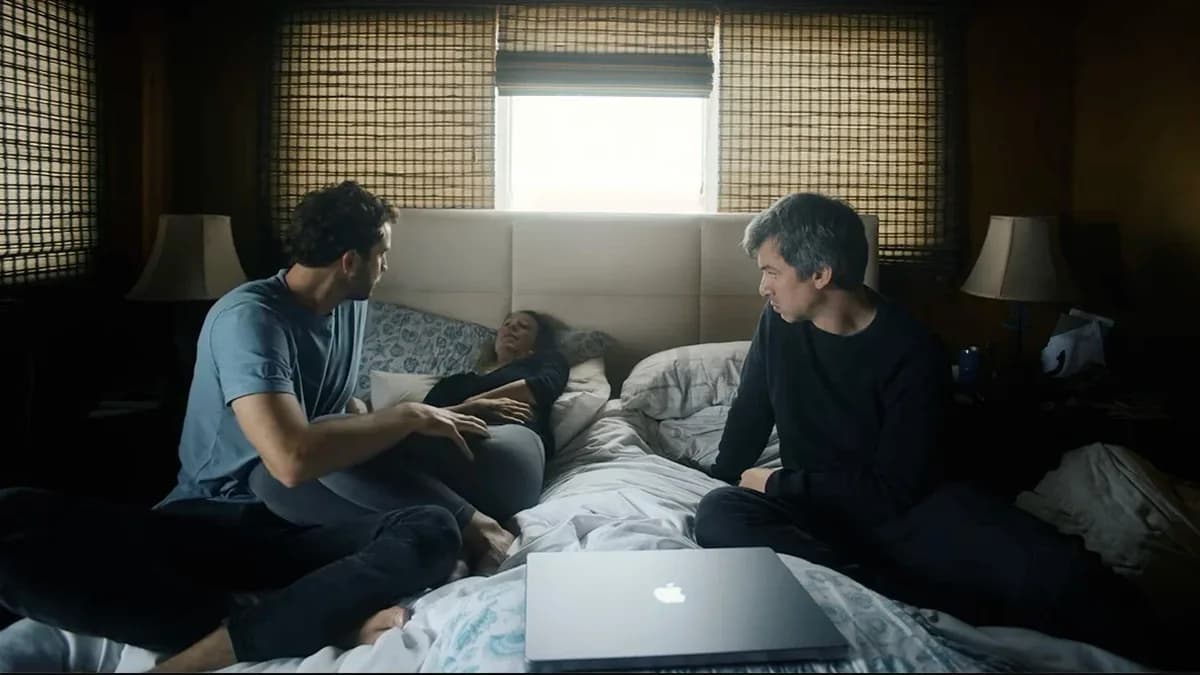
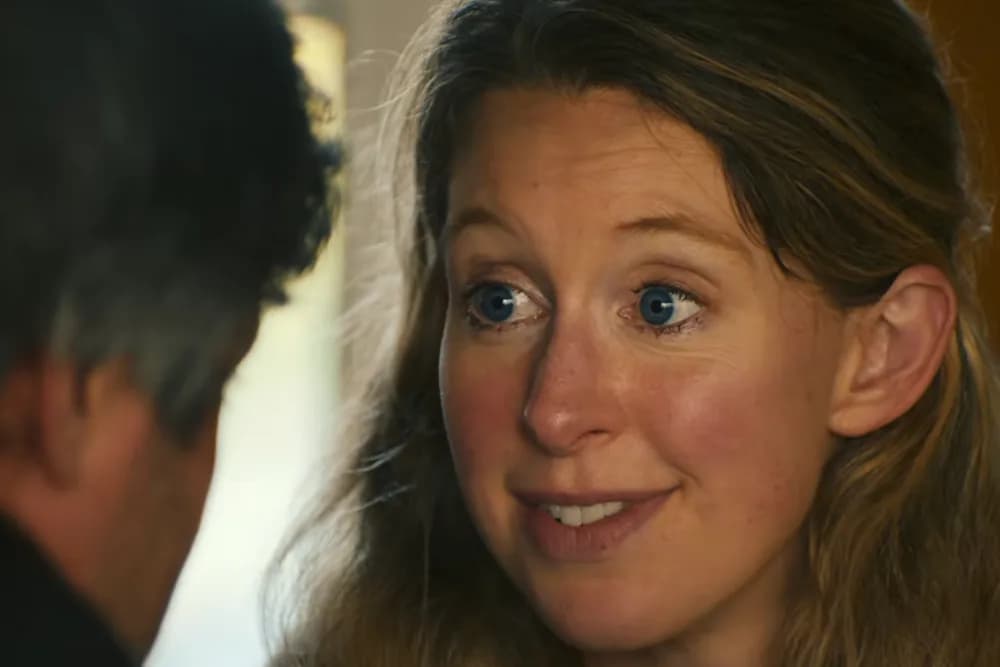
Holmes invited the crew into the beachside San Diego home she shared with partner Billy Evans and their two children, according to The Hollywood Reporter's review from the premiere. Fielder does not stay behind the camera. He turns up in doorways, in awkward silences, eventually in the guest room, and the film makes no attempt at the usual documentary pretense of staying invisible.
The Hollywood Reporter describes a film that splits into two distinct halves. The first is an intimate, occasionally squirmy portrait of Holmes and Evans in their final weeks of freedom together. The second jumps two years ahead, after Holmes is already incarcerated and can no longer speak for herself at length, leaving Evans to post from her verified account and interpret her thoughts without consulting her. THR notes the film does not disguise its contempt for him.
Fielder addressed the strangeness of the whole experience at the post-screening Q&A. "I really am struggling to this day to understand exactly what I experienced," he said, according to Vanity Fair. "And one of the things I'm genuinely excited about is for this movie to come out and for people to help me understand what I experienced. Truly, to this day, I don't quite know what I went through."
This is not Hollywood's first pass at Holmes. Alex Gibney made The Inventor in 2019. Hulu's The Dropout won Amanda Seyfried an Emmy for playing her. A planned Adam McKay adaptation of Bad Blood, once linked to Jennifer Lawrence, never got off the ground. What separates this one, per Variety, is access: Holmes herself, on camera, arguing she has never lied about anything.
Variety is already floating awards season implications, right down to whether the documentary's central performance could somehow draw acting consideration and whether A24's crowded 2026 slate can challenge MGM's 90-year-old record for studio best picture nominations. All of that is speculation for now. The date that matters is October, when audiences outside a locked-phone theatre in Colorado finally get to decide for themselves whether Holmes has, in fact, ever lied.
Be the first to comment
Join the argument. No password, just your email or a passkey.