Co-director Lance Oppenheim says Fielder built an exit clause into the A24 deal, letting them scrap the entire Elizabeth Holmes project if nothing worth telling turned up.
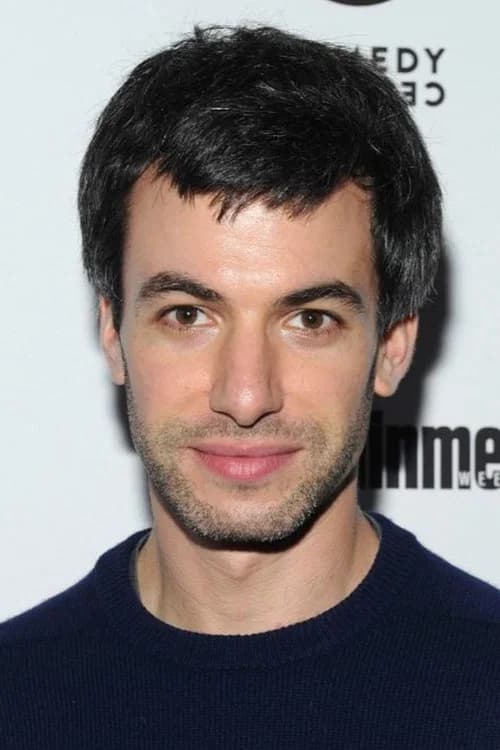
Nathan Fielder didn't just worry about making a bad documentary. He made sure he had a legal way out of making one at all.
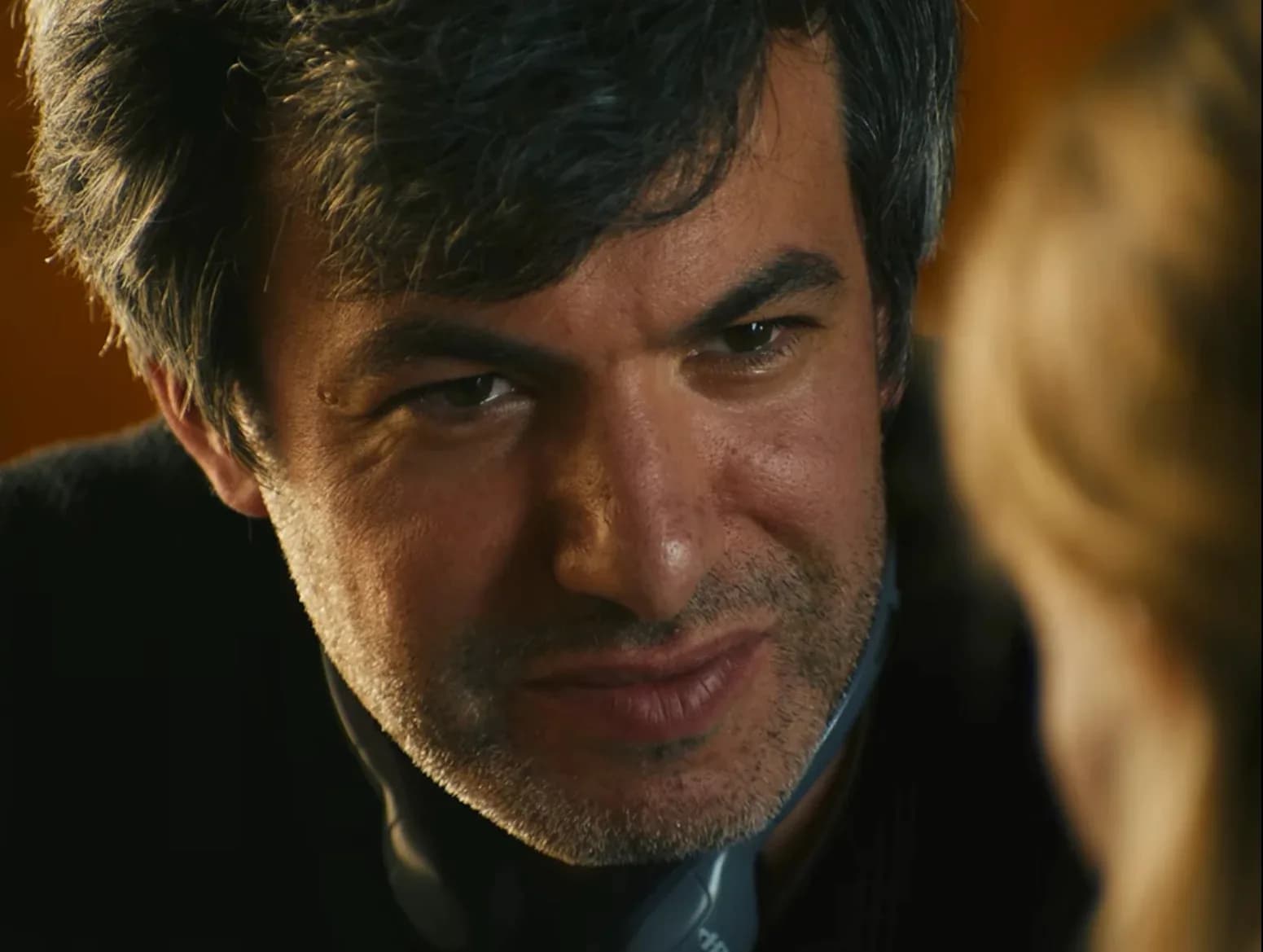
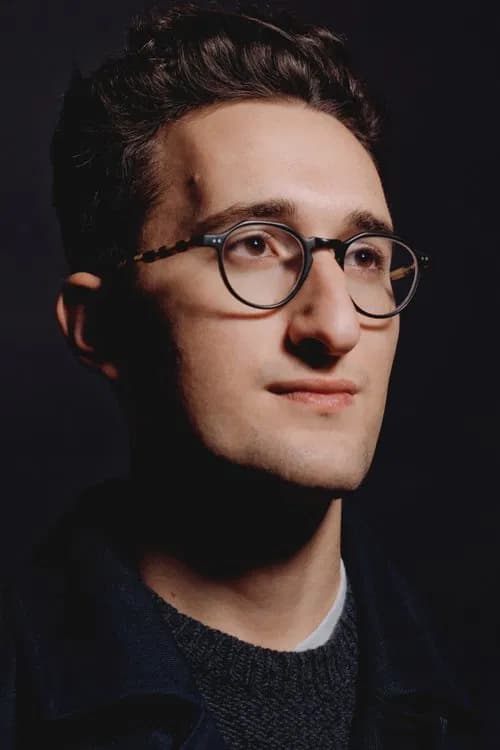
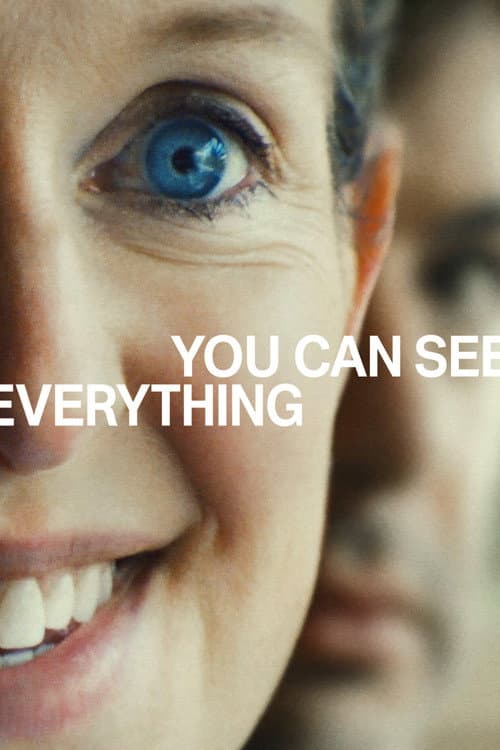
According to Variety, co-director Lance Oppenheim told IndieWire that Fielder negotiated what the two of them call a "kill switch" into their deal with A24 before a single frame of "You Can See Everything" was shot. The provision let them walk away from the Elizabeth Holmes project entirely, no finished film owed, if the filming didn't turn up anything new.
"Nathan said to A24, 'Well, do you think if Lance and I were to go and see if there was something there, would you be comfortable with giving us money and just leaving us alone, and giving us a provision in our deal, whatever the money was, that we could just kill it at any time?'" Oppenheim recalled. "If we didn't find something, we could just throw it all away, we could throw it in the garbage can. And they thankfully agreed."
Why Fielder wanted an escape hatch
The hesitation made sense. By the time Oppenheim and Fielder started circling Holmes, her story had already been worked over by a hit podcast, a best-selling book, Alex Gibney's documentary and Hulu's scripted series "The Dropout." Fielder, per Variety's reporting, worried there simply wasn't a fresh angle left to find, and the clock was brutal besides. They began filming with just 34 days left before Holmes was due to report to prison.
Fielder gave his own version of the pitch in an interview with Wired. "I told A24, 'I don't really know what the angle is, but there is something tickling in my brain,'" he said. "She was about to go to prison, so we didn't know what was gonna happen. I was like, 'If you guys want, I'm down to go down and start filming and see what emerges. But we need the ability to deliver nothing to you guys if it doesn't work out.' And they said 'Sure.'"
A freedom neither director expected
Oppenheim says the clause did more than cover their backs. It changed how they actually worked. "This was the first time where I've ever been like, 'Oh, we actually have room to explore something without any pressure of anyone looking over us,'" he said. "I wish I could have that for every project, because then it really feels like you're just operating purely out of curiosity. You can fish."
Fielder framed it as a relief valve more than a safety net. "It really meant I didn't have to hold back with her or with them," he told Wired. "Making a film, or any project, is very stressful. So if we had to pull the plug because it didn't work out, it would sort of be a relief to me." He and Oppenheim, he added, figured that even in the worst case, "this will be an interesting week or two that we'll have as a story."
They never had to use the clause. "You Can See Everything" is now out, drawing the kind of word-of-mouth that makes a three-hour documentary feel short. Whether it finds the box office numbers to match that buzz is the next thing to watch.
Be the first to comment
Join the argument. No password, just your email or a passkey.