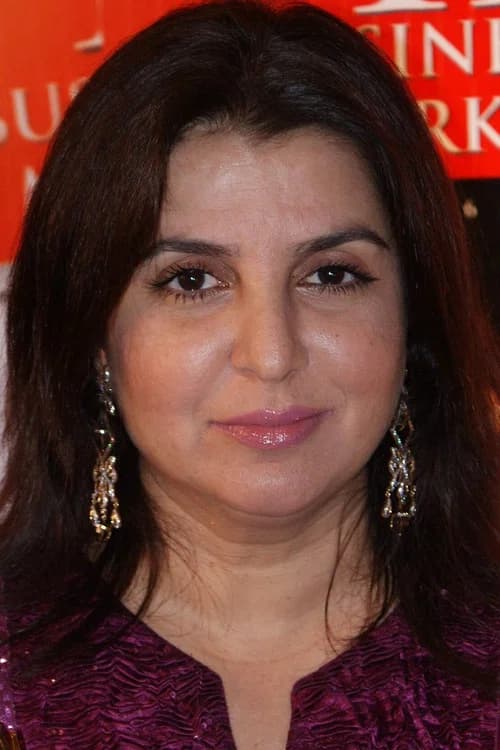
Farah Khan walked into the Edits Film Festival in Mumbai not as a director chasing awards, but as a student of the moment. The event, hosted by Meta India and focused on Instagram’s Edits app, celebrated raw, unfiltered storytelling — exactly the kind she’s now embracing on Reels. Her take? Don’t overthink it. ‘People assume there's a big plan behind it,’ she said, ‘but I don’t overthink what I post.’ The line landed like a punchline, but carried weight: Gen Z’s casualness has rewired her creative rhythm. She’s no longer crafting content with a script. Just a clip from her show, a chat with a friend, a bit of mischief caught on camera, all fair game. And she’s letting them go out without polish, without permission. The festival’s top three winners. Ishank Gupta, Sanya Rohillaa, Ahsan Vazir, were chosen for restraint, creativity, and an instinctive grasp of editing tools that weren’t even designed for narrative depth. Yet they made stories anyway. That’s the shift. Not just how we tell stories, but who gets to. The jury included Ahsaas Channa, Dolly Singh, Nikhil Taneja, Rajeev Masand. Voices from both film and digital spaces. Their presence underscored something bigger: the lines between cinema and content are blurring faster than a jump cut. Farah Khan, once known for choreographing every frame of Dil Chahta Hai, is now learning to let go. Not because she’s lost control. But because she’s found a new one. The real question isn’t whether her next Reel will trend. It’s whether the next generation will still care about the name on the poster. The festival invited over 100 creators to turn unpolished videos from their camera rolls into edited content using the Edits app. Submissions opened in August, giving participants 45 days to experiment with features they hadn’t used before. The official selection showcased a range of approaches, some bold, some quiet, all driven by instinct rather than strategy. Ankit Rihal, Head of Global Partnerships, Meta, India, called the event a launchpad for new creative possibilities. He credited the jury and Farah Khan for bringing ‘invaluable perspective’ to the conversation around storytelling in the digital age. Her comments highlighted a growing belief: audiences respond not to perfection, but to relatability, realness, and humor. The festival wasn’t just about tech or trends. It was about trust. In the creator, in the moment, in the edit. And in that space, Farah Khan finally stopped planning. She started posting.
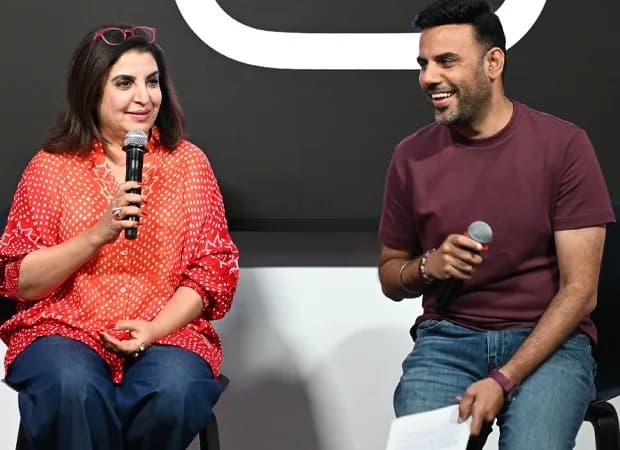 Photo via Bollywood Hungama - Features
Farah Khan’s New Rule: No Planning, Just Posting
Farah Khan says she no longer overthinks her Reels — thanks to Gen Z’s nonchalance. The Edits Film Festival proved that raw, unpolished videos can win awards. Now, the real test begins: can authenticity beat perfection?
In this story
Live site hype
around 1 reading right now · 81 today
Reported from
- Bollywood Hungama - Features — Farah Khan credits Gen Z for inspiring her spontaneous approach to content creation: “I don't overthink what I post”
- Bollywood Hungama - Main Feed — Farah Khan credits Gen Z for inspiring her spontaneous approach to content creation: “I don’t overthink what I post”
This article was written by the CutMirchi desk from the reporting above. Facts are attributed to their original publishers.
Read next
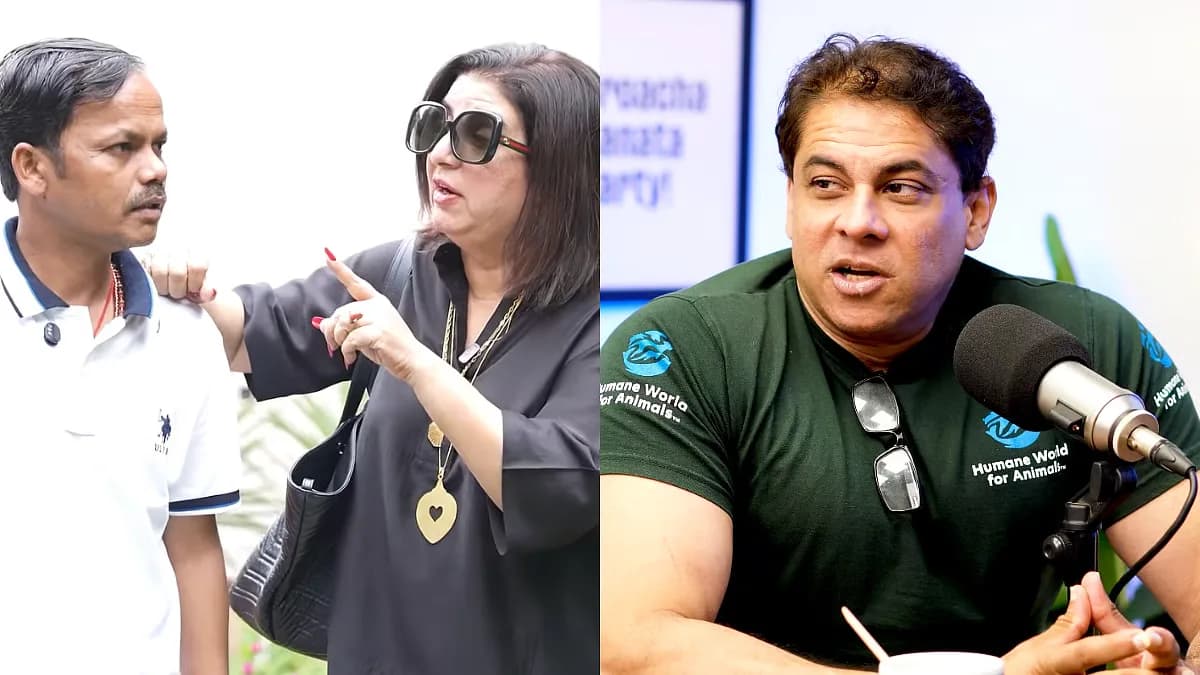
Farah Khan Wits Back at Cyrus Broacha Over Cook Dilip Criticism
Cyrus Broacha criticized Farah Khan’s popular cook Dilip Mukhiya on his podcast, calling him overrated and insincere. Farah responded with a witty retort: 'I can replace him with you,' sparking a lighthearted exchange that went viral.
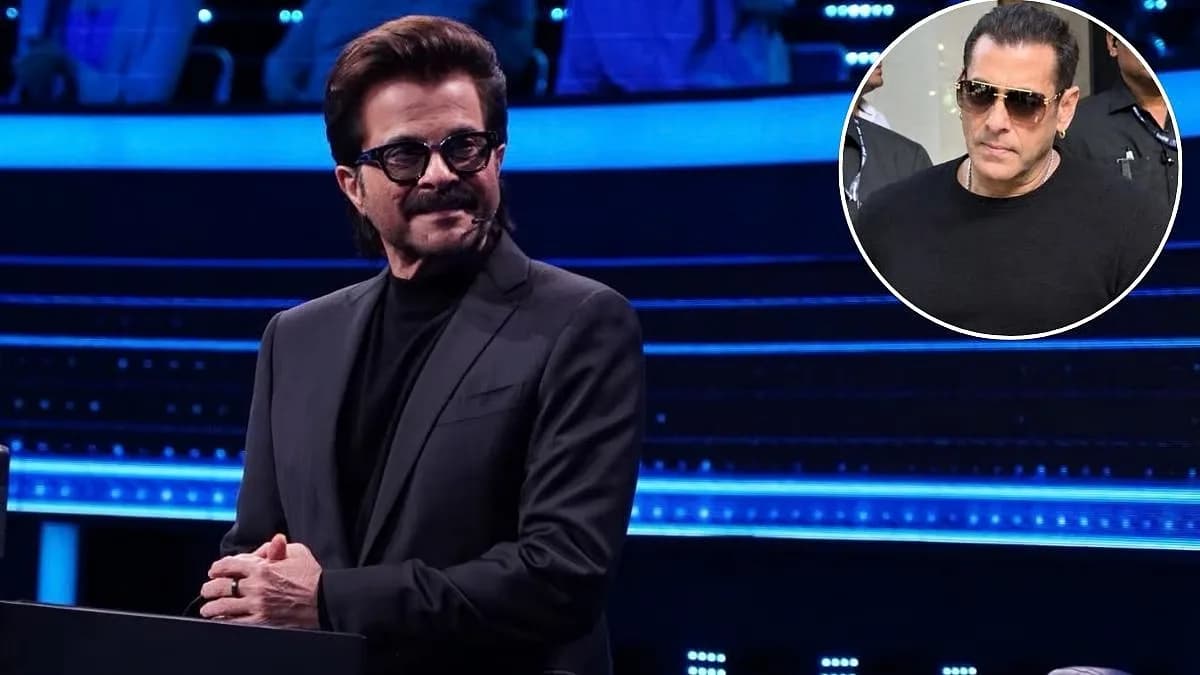
Anil Kapoor Says He Wouldn't Host Bigg Boss Like Salman Khan
Anil Kapoor tells Free Press Journal he'd handle Bigg Boss differently from Salman Khan, names Shah Rukh Khan, Farah Khan and Anupam Kher as his Bollywood 'Top 1%' picks, and confirms he's watching season 20.
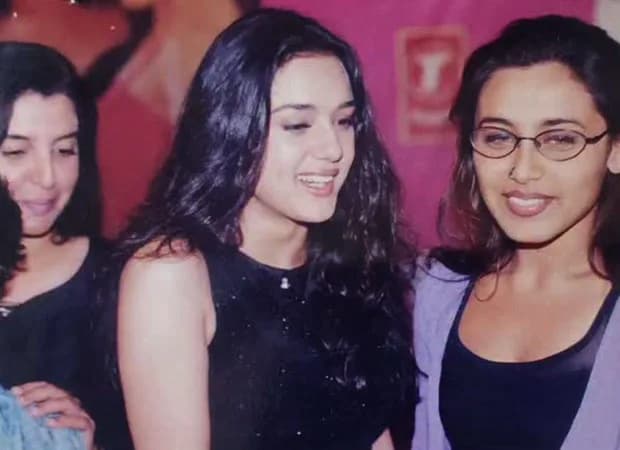
Farah Khan's Nostalgia Trip: BTS Photos With Rani, Preity, Manisha
Farah Khan has taken fans on a nostalgic journey with a series of throwback BTS photos featuring Rani Mukerji, Preity Zinta, and Manisha Koirala. The Instagram carousel includes moments from 'Har Dil Jo Pyaar Karega', '1942: A Love Story', 'Main Hoon Na', and 'Om Shanti Om'. Fans are now guessing the films based on the visuals.
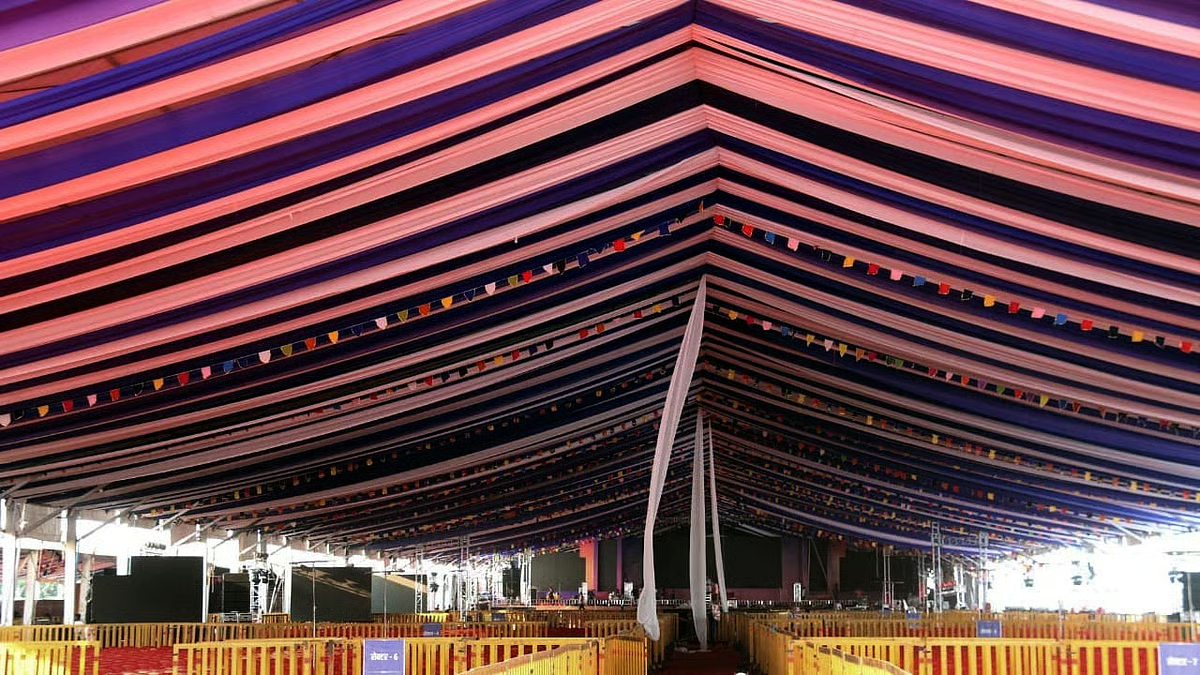
Jubin Nautiyal & Kabir Cafe Take Over Bhopal’s Youth Conclave With Live Set
Jubin Nautiyal and Kabir Cafe are set to perform at Bhopal’s CM Youth Conclave-2026 — not on a stage in Mumbai, but under the open sky of Lal Parade Ground.
Be the first to comment
Join the argument. No password, just your email or a passkey.