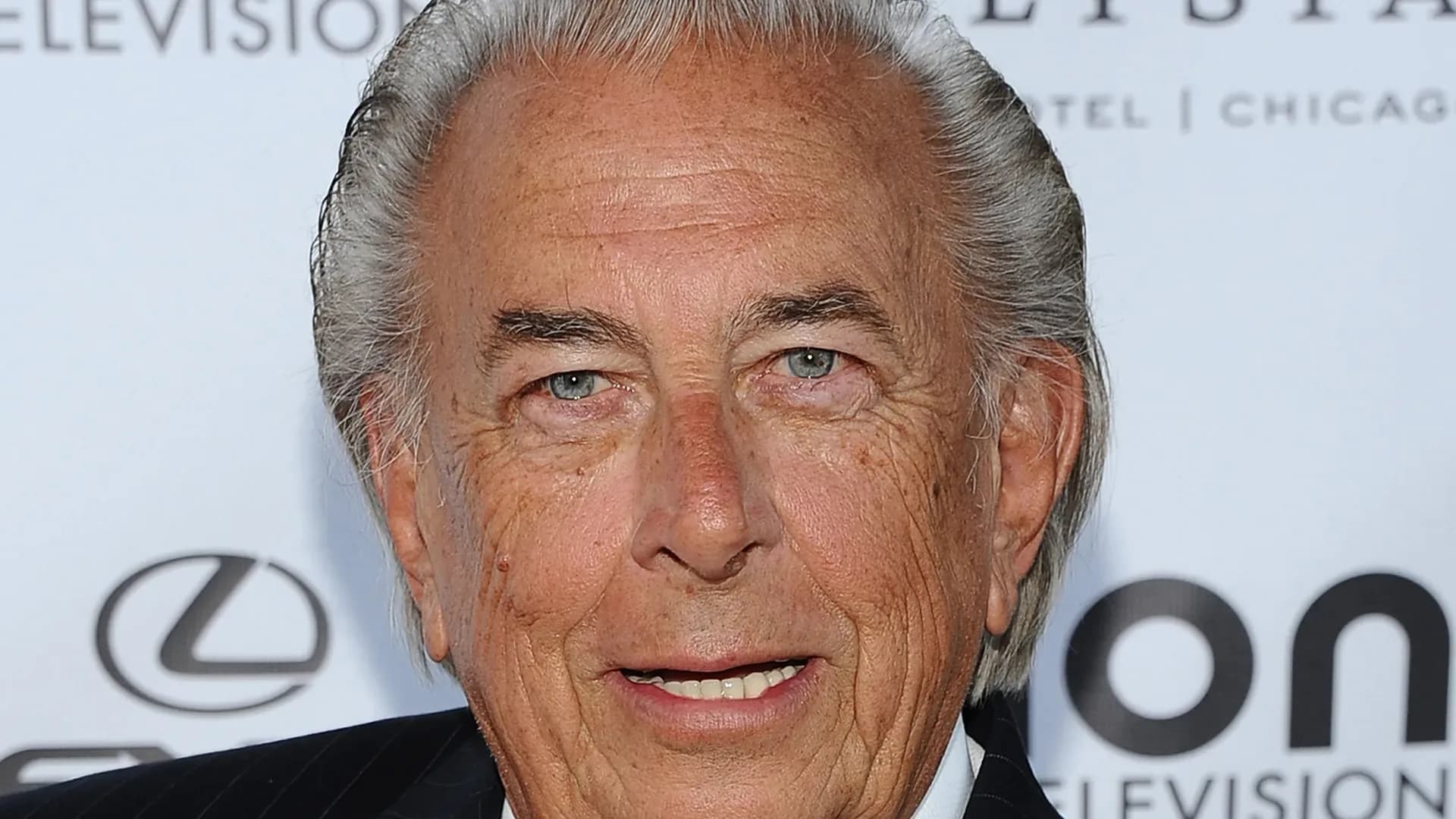
Frank G. Mancuso Sr., the 'Gentleman Frank' who led Paramount and MGM through highs and lows, has died at 93. His quiet leadership shaped blockbusters, rebuilt studios, and redefined how Hollywood treated people—and movies.
Frank G. Mancuso Sr., the man who shaped the soundtracks of a generation and steered two of Hollywood’s most storied studios through turbulence, has died at 93. The cause: cancer. His passing, confirmed by family on October 1, marks the end of an era defined by quiet authority and unshakable belief in movies as art and commerce.
He didn’t just run studios — he built them, rebuilt them, and left behind a legacy that still echoes in every film release strategy that values timing, tone, and audience connection. He was known as ‘Gentleman Frank’, not for a suit or a smile, but because he remembered your name.
From mailroom to boardroom, he knew everyone. That wasn’t protocol. It was principle. And it made him rare.
Mancuso’s rise began in Buffalo, where he worked as an usher at the Lafayette Theater during high school. By the time he joined Paramount in 1962, he’d already learned how films moved people. Not just on screen, but in theaters, in cities, across borders. He spent decades climbing from sales rep to chairman, first in Toronto, then New York, finally Los Angeles.
His real genius? Knowing when to bet on a movie that didn’t fit the season. In 1983, he released An Officer and a Gentleman in summer, a move considered reckless. But with a music video crafted in-house, it became a cultural moment.
Then came Flashdance, which turned dance into a box office force. He pushed Terms of Endearment into November, banking on Christmas momentum. It won Best Picture. He didn’t just sell films.
He engineered their lives. At Paramount, he presided over a golden run: Top Gun, Beverly Hills Cop, Fatal Attraction, The Untouchables. Three of the top four domestic grossers in 1987. One of the biggest hits of 1990 was Ghost.
He didn’t invent the hits. But he believed in them before they were proven. Then came the fall. After Michael Eisner left for Disney, Mancuso took over.
But the studio’s appetite for big stars and bigger budgets clashed with his restraint. When Days of Thunder underperformed and The Godfather III drew mixed reviews, Martin Davis turned on him. He was ousted in 1991. He sued.
Settled for up to $20 million. Walked away not bitter, but ready. And then, the next impossible job: head of MGM. A shell.
Overleveraged. In debt. No one wanted it. Mancuso did.
He brought in Mike Marcus and John Calley. He acquired Orion Pictures. PolyGram Filmed Entertainment. Turned around the studio.
Built a new foundation. Sold it in 1996 for $1.3 billion to Kirk Kerkorian and Seven Network. He stayed on until 1999. That same year, MGM paid Sony $5 million to own the James Bond franchise outright.
A move that would shape decades of cinema. He didn’t just save a studio. He secured its future. Andy Garcia called him “the absolute truth.” Not hyperbole.
A man who listened. Who didn’t raise his voice even when angry. Who let you figure things out yourself. Who never made you wait outside his door.
He was married to Fay Mauro for nearly 70 years. They met in Buffalo. Raised a son, Frank Jr., a producer. Left behind grandchildren, great-grandchildren, a daughter-in-law, a designer, a legacy.
He served the Academy. Led the Motion Picture and Television Fund. Got a star on the Italian Walk of Fame. Was honored by the National Italian American Foundation.
But none of that mattered more than what he built inside the studios, the culture, the trust, the belief that a film could be both smart and popular. No one will ever call him a visionary. Too soft. Too slow.
But vision isn’t always loud. Sometimes it’s in the way you treat people. In the way you release a movie in November. In the way you remember every name.
He’s gone. But the films are still playing. And somewhere, someone is still listening.
Be the first to comment
Join the argument. No password, just your email or a passkey.